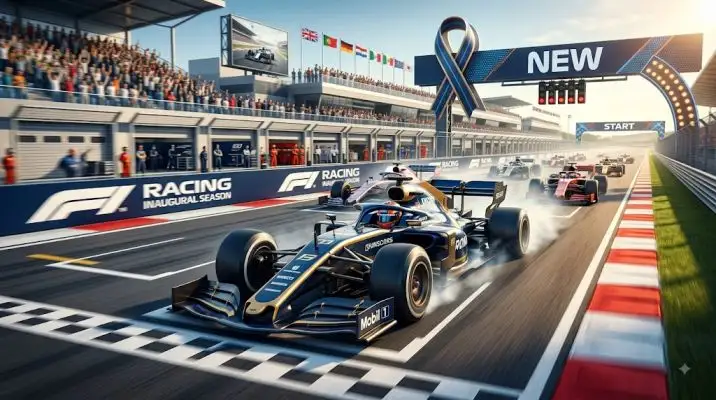
The term "inaugural season" gets thrown around a lot in racing. You hear it when a new championship is born, when a new circuit joins the calendar, or even when a brand-new team enters the grid. It sounds official. It sounds important.
It simply means the very first season of a racing series, or the first time a particular event is held. When a championship holds its "inaugural season," it marks the beginning of something. The first race. The first champion. Everything that follows builds on this starting point.
I remember watching the first Formula E race years ago. The cars were quiet. The drivers were figuring things out. The teams were learning.
That was the inaugural season. It was raw, unpredictable, and exciting. Every mistake mattered more because there was no history to fall back on.
Why "Inaugural" Matters in Racing?
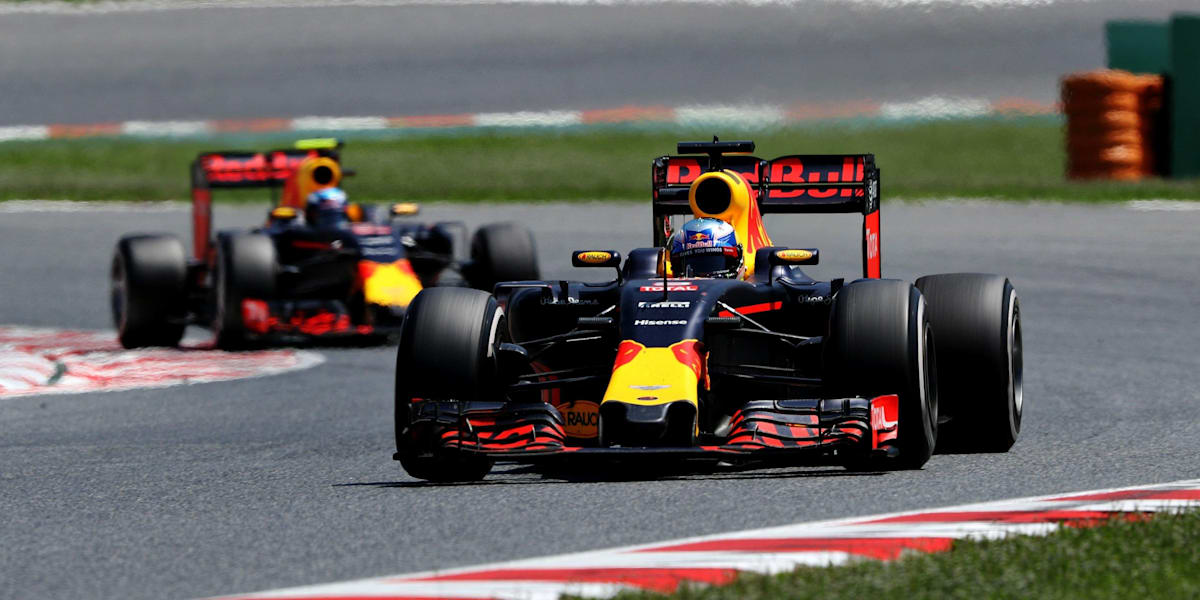
Think of it like a first impression. You only get one. The inaugural season sets the tone for everything that comes after.
Read Also: Audi F1 2026 Technical Specs: How the 50/50 Power Split Redefines Racing?
-
It's unpredictable. No one knows who the strongest team will be. Every race is a discovery.
-
It creates legends. The first champion in a new series earns a permanent place in history.
-
It attracts attention. New championships bring new fans. There's a sense of discovery.
For drivers, an inaugural season is both an opportunity and a risk. You can become a hero overnight. Or you can be forgotten.
Examples of Inaugural Seasons in Racing
Formula E's First Season
The 2014–2015 season was Formula E's inaugural season . Ten teams competed with identical cars. The championship was new, and the electric technology was unproven. The season had its first champion: Nelson Piquet Jr. . That win defined his career.
CART's Inaugural Year
The 1979 SCCA/CART Indy Car Series was the inaugural season for that championship . It had 14 races. Rick Mears won the title. It changed American open-wheel racing forever.
Inaugural Seasons vs. New Formats in F1
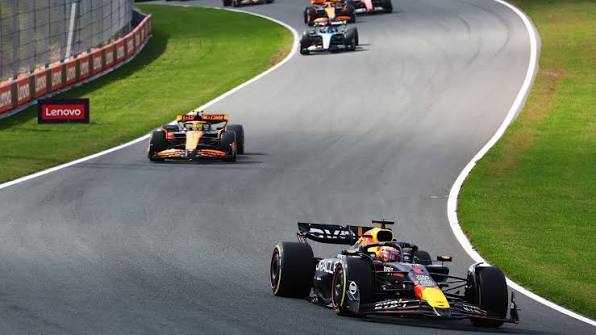
Formula 1 has evolved massively over the years. Every major change feels like a new era. Sometimes they even call a year an "inaugural season" for a new ruleset.
You Must Also Like: The Technology Behind Formula 1s First Season Cars
F1 2026: A New Era
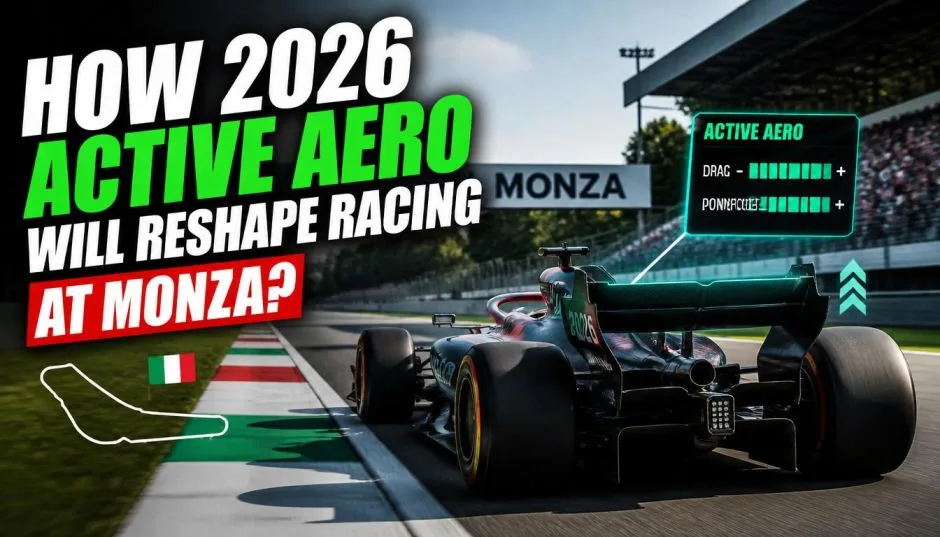
The 2026 Formula 1 season is not an inaugural season for the championship itself. F1 has been around for decades. But it is an inaugural season in terms of the new technical regulations . The cars are significantly different. Teams have to start from scratch.
F1 2026 Sprint Races
The Sprint format was introduced to F1 in 2021 . But the 2026 calendar brought changes. Canada, Zandvoort, and Singapore hosted Sprint weekends for the first time .
For those circuits, it was their inaugural Sprint event. It introduced a new dynamic to the race weekend . The points on offer meant an unpredictable start to the season.
How Many Races Left in the F1 Season?
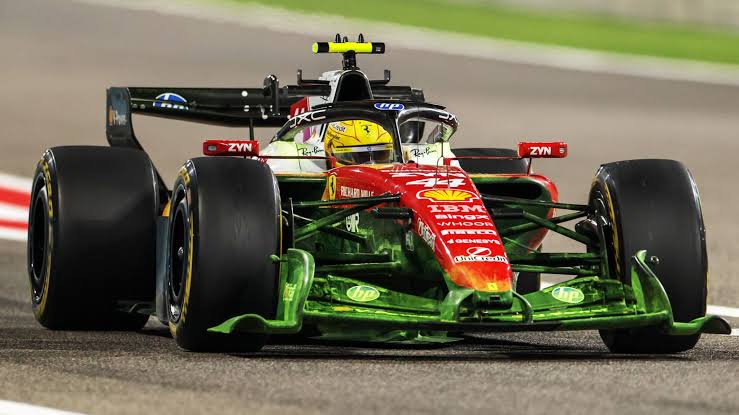
The 2026 Formula 1 season started in Australia and is scheduled to run until Abu Dhabi . However, the calendar has been uncertain.
The Bahrain and Saudi Arabian Grands Prix were cancelled. The season initially had 24 races but was reduced to 22. F1 might try to find replacements, but the calendar remains unclear.
The Final Thoughts
"Inaugural season" is more than a fancy term. It represents risk, reward, and the chance to create history. It's the moment a series steps into the unknown and says, "We are here to stay." That's why it matters. And that's why everyone watches.