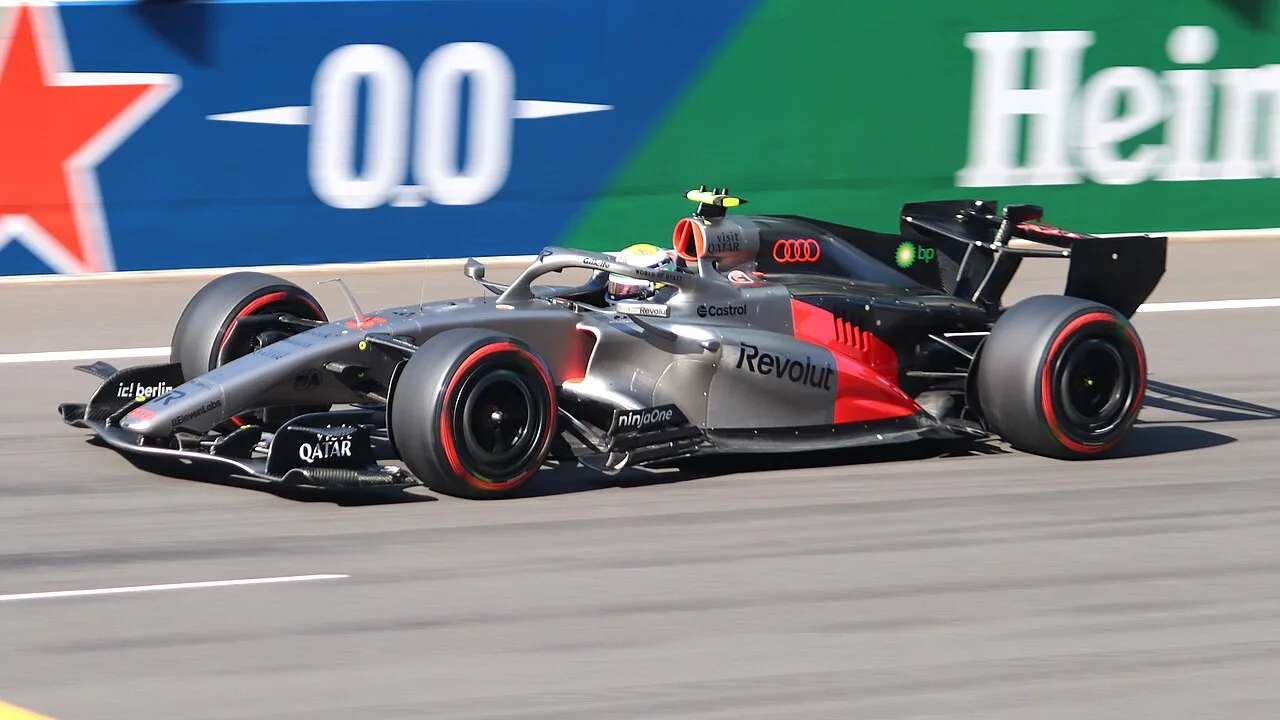
You have heard the news. Audi F1 2026 technical specs dropped last month. Everyone is talking about the near 50/50 power split. But what does that feel like from the driver's seat?
I spent time with a former F1 engineer who now consults for a different team. He walked me through the numbers. The electric motor gives 350 kW. The V6 gives roughly 400 kW.
Almost identical. This is not a small tweak. This is a philosophy change. Racing will look different. Here is why that matters to you.
Breaking Down the Audi R26 Powertrain
The car carries the chassis code Audi R26. Simple name. Complex guts.
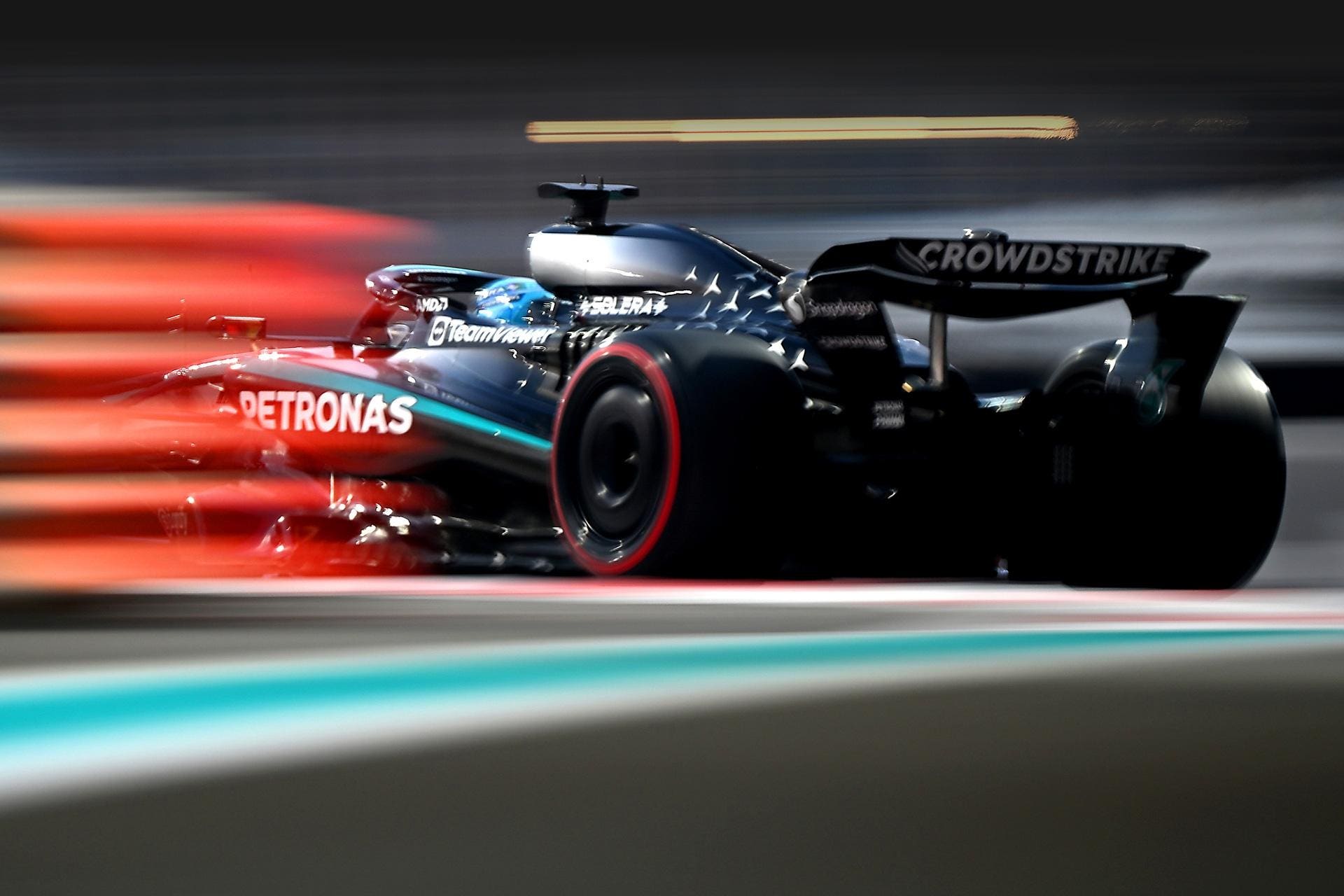
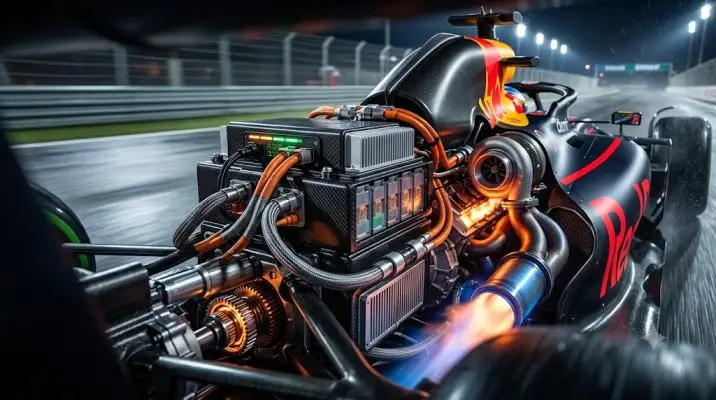
Under the carbon fiber shell sits a 1.6-liter V6. Direct fuel injection. Single turbocharger. Nothing unusual there. The unusual part lives in the energy recovery system.
Read Also: The 2027 Chevy Bolt Second Act: Why the Reboot is Better Than the Original?
Previous F1 cars used two recovery units. One from exhaust heat (MGU-H). One from braking (MGU-K). The MGU-H is gone for 2026. Too expensive. Too complex. Too hard for new manufacturers to master.
Now Audi relies entirely on the MGU-K. That unit captures energy every time the driver hits the brake pedal. Stores it in a lithium-ion battery pack. Then deploys it for acceleration.
The battery is new too. Higher energy density. Faster discharge rates. But heavier. Always the trade-off.
Total system output lands around 735 kW when you combine both power sources. That equals roughly 1,000 horsepower. Slightly less than current cars. But the delivery changes everything.
Why 50/50 Changes Driving Style?
Let me give you a real example.
Current F1 cars behave like petrol vehicles with a boost button. The electric motor adds punch but runs out quickly. Drivers conserve battery for overtaking or defending. The rest of the lap relies on combustion.
The Audi R26 flips that script.
The electric motor now provides nearly half the total power. That means the driver must manage battery level over an entire lap. Every corner exit. Every straight. Every acceleration zone.
Run out of charge halfway around Suzuka. Your lap time drops by seconds. Not tenths.
So drivers will brake earlier. Recover more energy. Deploy smarter. Not just push a button when they want to pass someone.
The Boost Mode Button Explained
Old F1 had DRS. Drag Reduction System. Open a flap on the rear wing. Reduce drag. Gain speed on straights. Simple. Passive.
New F1 has Boost Mode. Active. Aggressive. Different.
Push the button. The system releases all 350 kW of electrical power at once. Maximum acceleration. Immediate.
But here is the catch. You only get a limited number of Boost Mode activations per race. And the total deployment time is capped.
This creates strategy layers. Use Boost Mode early to gain track position. Save it for the final laps when everyone else is depleted. Gamble.
Audi tested this on their simulator at Neuburg. A test driver told an engineer something interesting. "Boost Mode feels violent." Not smooth. Not progressive. Violent. The torque hits like a hammer.
That will take getting used to.
Active Aero: The Silent Partner
Everyone focuses on the engine. Smart fans watch the wings.
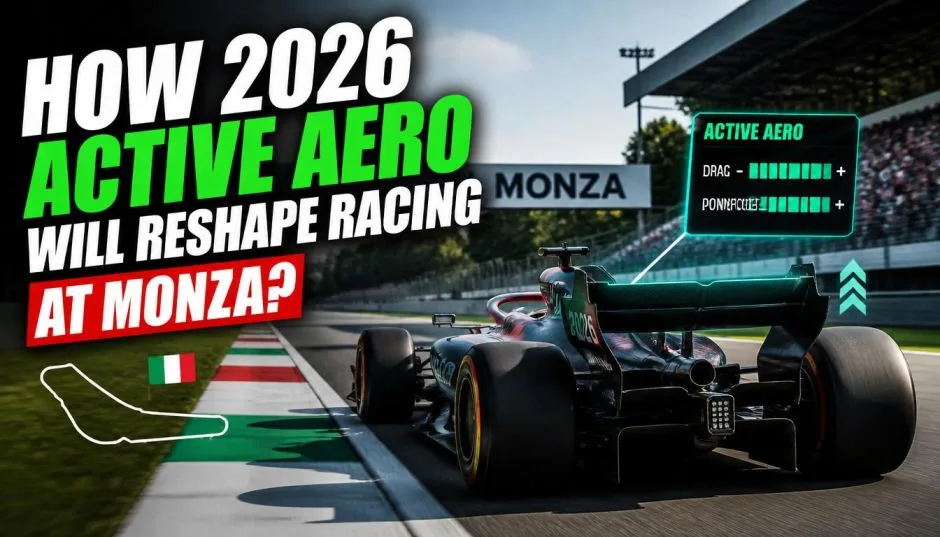
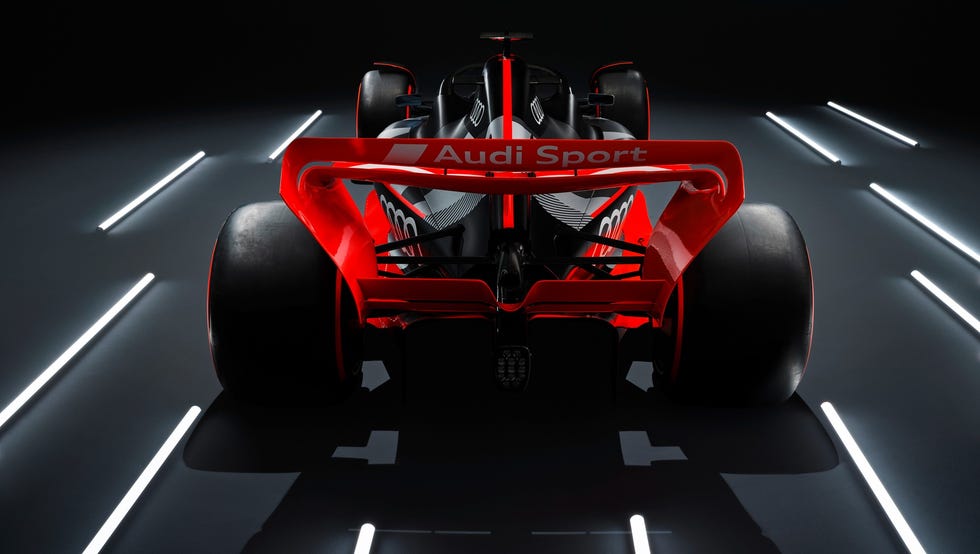
The Audi R26 carries active front and rear wings. Two flaps per wing. Each controlled independently. The system adjusts based on speed, steering angle, and driver input.
Enter a high-speed corner. The wings tilt. Downforce increases. The car sticks.
Hit a long straight. The wings flatten. Drag drops. Speed rises.
The regulation allows two aerodynamic modes per lap. But teams found loopholes already. Subtle adjustments within each mode. Continuous optimization.
What does this mean for racing? Less dirty air. The turbulent wake behind each car is smaller. Following cars lose less downforce. They can stay closer. Attack more often.
Technical Team Behind the Project
You cannot understand the car without understanding the people.
Jonathan Wheatley runs the show. Team principal. Former Red Bull sporting director. Knows every regulation trick.
Mattia Binotto leads the technical side. Ex-Ferrari. Controversial reputation. But undeniably smart. He built competitive cars at Maranello.
James Key handles day-to-day engineering. Technical director. Worked at McLaren, Toro Rosso, Sauber. Quiet. Methodical. Effective.
The chassis comes from Hinwil, Switzerland. The same building where BMW Sauber operated. Fully renovated. New equipment. Fresh mindset.
The engine comes from Neuburg, Germany. A brand new facility. Built specifically for this project. Three thousand square meters of dyno cells and test rigs.
Testing Reality: What January Showed Us?
Audi ran first on January 9, 2026. Circuit de Barcelona-Catalunya. Filming day only. Twenty kilometers maximum.
But people watched. Listened. Noted.
The engine sound surprised everyone. Deeper than current hybrids. Less whine. More growl. Wheatley described it as "more aggressive". That is code for "fans will hate it less."
The car looked stable. No obvious bouncing. No porpoising like 2022 cars. Good sign.
The real test happens February 11 in Bahrain. Three full days of running. Lap times will leak. Reliability will show. Pace will emerge.
What We Do Not Know Yet?
Honesty time. There are big gaps in the public information.
Audi has not released any performance data. No 0-60. No top speed. No cornering G-force. No lap time simulation.
Why? Two reasons.
First, development continues daily. Numbers from December are already outdated.
Second, competitive advantage. No team shows their full hand before the first race.
The what engine will Audi use in F1 2026 question is answered. The AFR 26 Hybrid TFSI. But how much power? Exactly. We will know in Melbourne.
Pros and Cons from an Engineer's Perspective
I asked my engineer contact for his honest take. He requested anonymity. Teams are sensitive. Here is what he said.
The Good:
-
Simpler engine architecture means lower costs. More manufacturers can join.
-
Active aero improves following distance. Better racing.
-
50/50 split rewards driver skill, not just car performance.
-
Sustainable fuel is genuinely low carbon. Not marketing.
-
Boost Mode creates overtaking without artificial gimmicks.
The Bad:
-
Cars are heavier than ever. Minimum weight increased. Handling suffers.
-
Battery life is a real concern. Dead battery equals slow car.
-
Active aero adds complexity. More parts to fail.
-
First-year reliability will be poor. Expect retirements.
-
Engine sound still disappoints traditional fans.
The Ugly:
-
Cost cap makes catching up difficult. Fall behind in 2026. Stay behind for years.
How to Watch Audi in 2026?
Do not expect wins immediately. That is unrealistic.
You Must Also Like: The Technology Behind Formula 1s First Season Cars
First year targets are simple. Finish races. Learn systems. Develop procedures. Build team chemistry.
Second year. Fight for points. Occasional top six finishes.
Third year. Podiums. Maybe a win.
Fourth year. Championship contention. 2030 is the target Audi set internally.
The driver lineup reflects this. Nico Hülkenberg brings experience. Gabriel Bortoleto brings youth. Neither is a superstar. Both are solid. Perfect for a building year.
The Final Thoughts
Audi F1 2026 technical specs tell a story of balance. Electric matches petrol. Driver matches machine. Strategy matches speed. The R26 is not the fastest car on paper.
Mercedes and Red Bull probably hold that title. But the Audi represents something more important. A different philosophy. A willingness to try something new. Watch Bahrain. Watch Melbourne. Watch how the Boost Mode changes racing. Watch how drivers manage their battery.
This is not your father's Formula 1. It is not even your 2025 Formula 1. It is something else entirely. Whether that something works remains unknown. But at least Audi had the courage to find out.