I watched a video last week that made me laugh out loud. A guy plugged a Denza Z9 GT into a charger. He walked away to buy coffee. By the time he paid and turned around, the car was at 70%. He had not even opened his coffee lid.
That is where we are in 2026.
The fastest charging electric cars 2026 are not 20-minute wonders anymore. We are talking 5 minutes to 70%. 9 minutes to full. Charging speeds that actually beat filling a petrol tank when you factor in standing at the pump.
I have been following this space for years. The shift happened in March 2026. That is when BYD dropped their Super e-Platform. Then吉利 answered 33 days later. Now the whole market is moving.
Here is my honest ranking of the top five fastest charging EVs you can actually buy or will buy soon. Real numbers. Real trade-offs. No marketing fluff.
How Charging Speed Actually Works (Quick Explanation)?
Before the ranking, let me clear up one thing.
Charging speed is measured in kilowatts (kW). Higher is faster. But peak kW only tells half the story. A car might hit 1000kW for 30 seconds then drop. What matters is the average speed from 10% to 80%.
Read Also: The Future of Electric Vehicles: Solid-State Batteries Explained
Also, your battery chemistry matters. Lithium Iron Phosphate (LFP) is safer and lasts longer but traditionally charged slower. Not anymore. BYD and XPeng cracked that code in 2026.
And here is the catch no one tells you. The charger matters as much as the car. A car that can take 500kW is useless if your local charger only does 150kW. Infrastructure is playing catch-up.
Now let me show you the cars that actually deliver.
Ranked: Top 5 Fastest Charging EVs in 2026
1. Mercedes-AMG GT XX – 1,041kW (Test Vehicle)
The fastest charging EV in the world right now is not from China. It is from Germany. Sort of.
Mercedes built the GT XX as a test bed. 1,340 horsepower. Three motors. Four doors. And a charging system that hit 1,041kW peak in testing. Average around 850kW.
What does that mean in real terms? Top Gear reports 250 miles (400km) of range in five minutes.
Here is the honest truth. You cannot buy this car. Mercedes has not confirmed production. But the technology will trickle down. They partnered with Alpitronic to build chargers that can handle these speeds. A prototype already exists using a standard CCS cable.
Who this is for: No one right now. Watch for Mercedes in 2027-2028.
Why it matters: The Germans are not asleep. They see what China is doing. And they are answering.
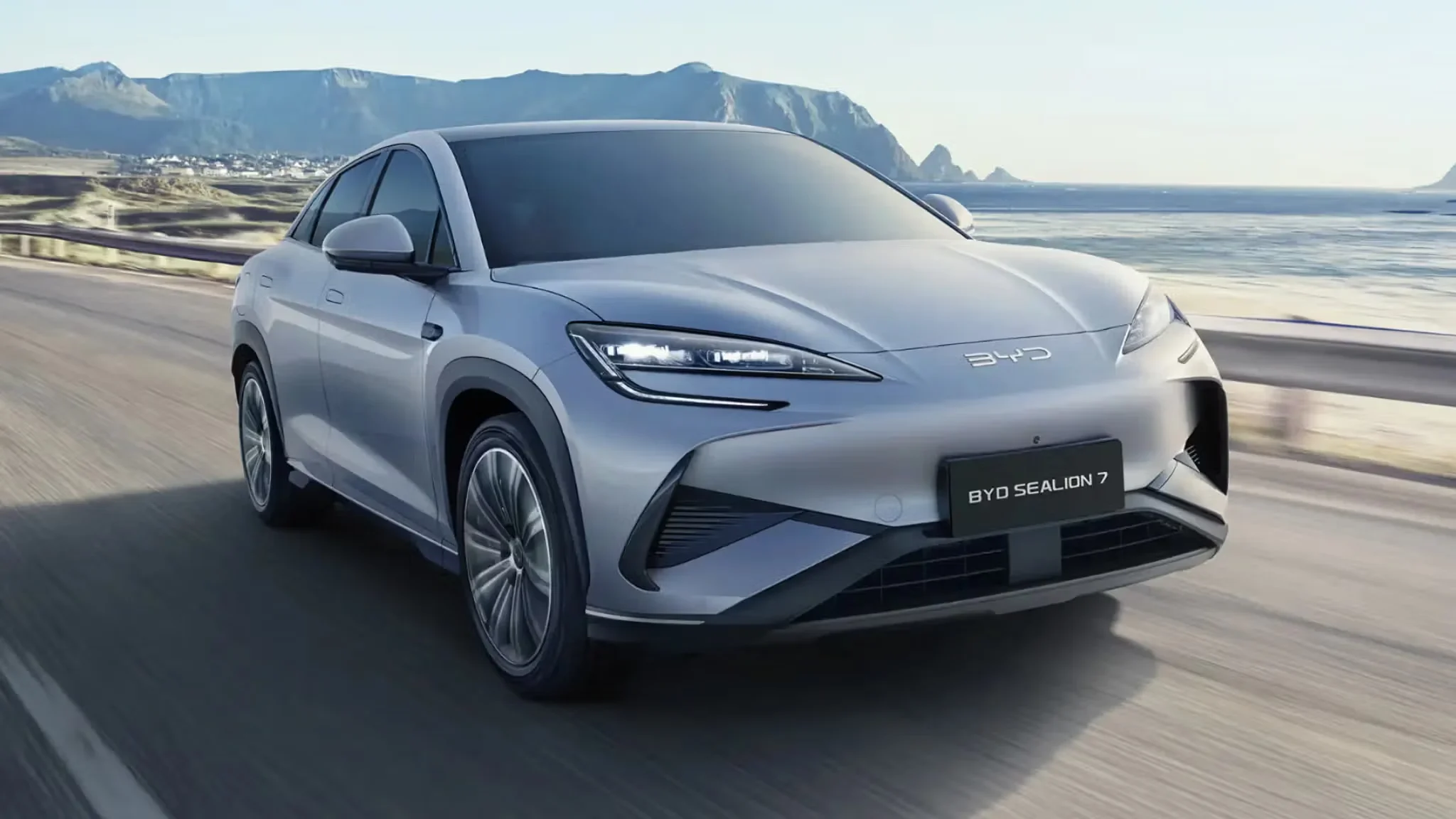
2. BYD Han L / Tang L – 1,000kW
This is the real deal. Available. Tested. Shipping.
BYD launched their Super e-Platform in March 2026. The Han L sedan and Tang L SUV are the first production vehicles capable of 1,000kW charging. That is 1.9 kilometers of range per second.
But here is the number that shocked me. 10% to 70% in five minutes. 70% to 97% in another four minutes. Total charge time under ten minutes.
I watched a live demo from Car and Driver. The technician plugged in a Denza Z9 GT (same platform). In less than one minute, the battery went from 10% to 20% and gained 120km of range. At five and a half minutes, it hit 70%. Total charge from 10% to 97%? Nine minutes and 21 seconds.
Even in extreme cold. BYD tested at -30°C. The same charge took 12 minutes. Only three minutes longer.
The battery is BYD's second-generation Blade battery. Lithium iron phosphate chemistry. Safer than most. Passed a "needle test" while flash charging. That means they stuck a nail through the battery while it was charging at full speed. No fire.
Who it is for: Early adopters who want the fastest production EV charging on the planet. And who live near BYD's new Flash Charging network.
The catch: The chargers need to catch up. BYD is building 20,000 Flash Chargers in China by end of 2026 and 3,000 in Europe. Australia? Not yet announced.
3. XPeng G6 / G9 – Up to 525kW
XPeng quietly became a charging monster in 2026.
The updated G6 charges at 451kW. The larger G9 hits 525kW. Both do 10% to 80% in 12 minutes.
You Must Also Like: EV Charging Costs Explained: Home vs Public Charging
But here is what impresses me. XPeng uses LFP batteries too. No cobalt. No nickel. Cheaper and cleaner to produce. Their 5C Supercharging tech works even in cold weather. At -30°C, the G6 still tops up from 10% to 80% in 15 minutes.
The G6 offers two battery options. A 66kWh LFP pack with 435km range. Or an 87.5kWh NCM pack with 550km range.
Who it is for: Buyers who want fast charging without paying luxury prices. XPeng undercuts BYD on price in most markets.
The catch: You need a 500kW charger to get these speeds. Those exist in Europe and China. Less common elsewhere.
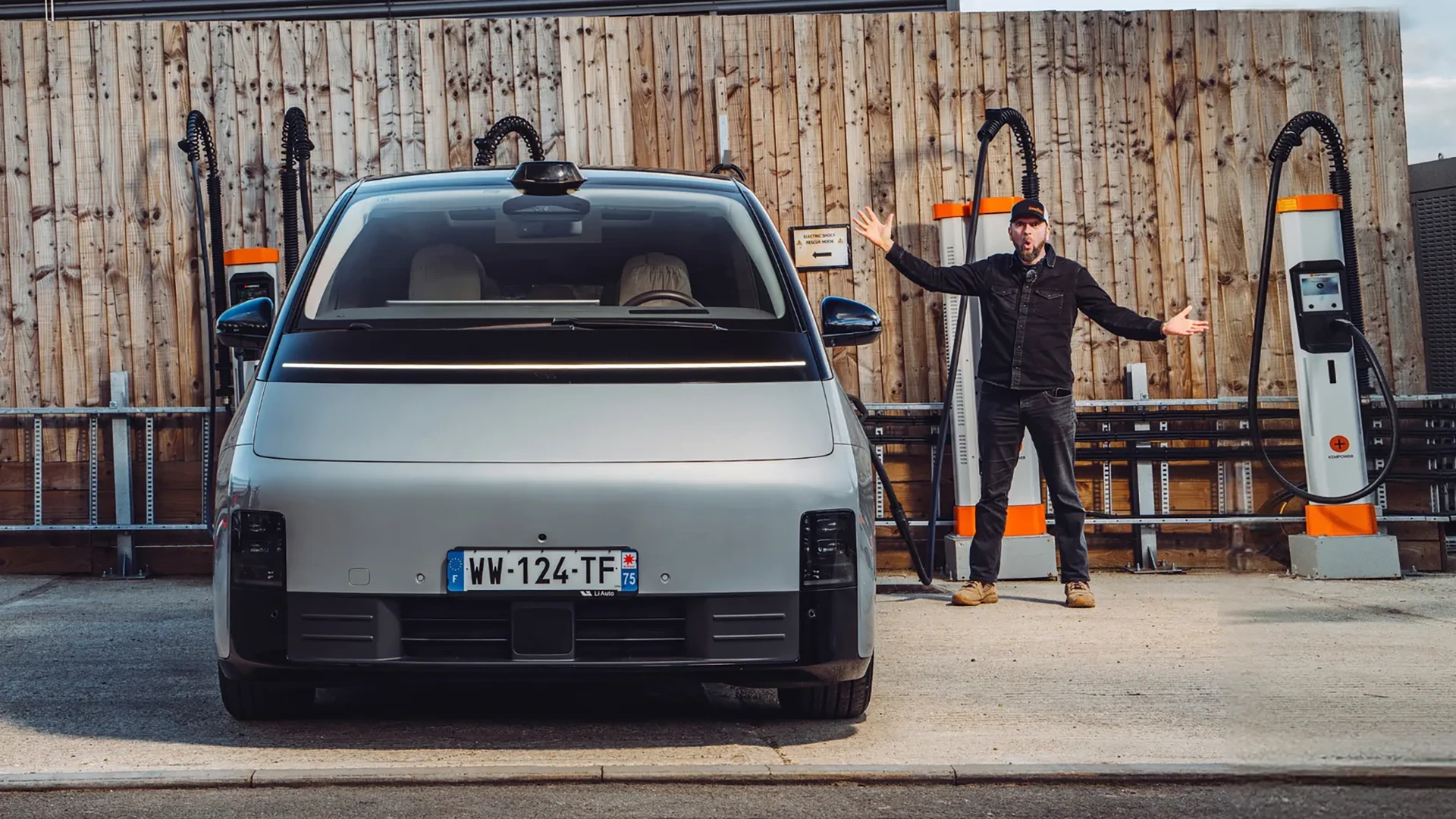
4. Li Auto Mega – 520kW
A people carrier that charges like a supercar. That is the Li Auto Mega.
This Chinese minivan uses a 5C CATL Qilin battery. 102.7kWh. NMC chemistry. Peak charging speed of 520kW. Top Gear reports 502km of range added in 12 minutes.
Yes, it is a van. Yes, it looks like a bullet train. And yes, it charges faster than any non-Chinese EV on this list except the Mercedes test car.
Who it is for: Families who road trip and cannot wait 30 minutes at a charger with bored kids in the back.
The catch: Not available in most Western markets yet. And it is a van. You either love the look or hate it.
5. Tesla Model Y / Model 3 – Up to 250kW
I need to be honest here. Tesla is not on the top of this list anymore.
The fastest charging electric cars 2026 Tesla lineup tops out at 250kW for the Long Range models. The new Standard models are capped at 175-225kW.
The Model Y Long Range RWD does 250kW peak. That adds 267km in 15 minutes. Total range up to 661km.
The Model 3 Standard does 175kW. 270km in 15 minutes. Range of 534km.
These are not bad numbers. Two years ago, 250kW was top tier. But in 2026, Tesla got leapfrogged. BYD and XPeng are charging twice as fast.
Who it is for: People who value the Supercharger network over pure speed. Tesla's charging infrastructure is still the most reliable. A 250kW charge that actually works beats a 1000kW charge you cannot find.
The catch: Tesla dropped features on the Standard models to hit lower prices. No Autopilot included. Manual mirrors. It is a bare bones car.
Honorable Mentions (Still Impressive)
Zeekr 7X – 480kW peak, 632kW reported in some tests.
Lotus Emeya – 443kW peak, 10-80% in 13.5 minutes.
BMW iX3 / i3 – 400kW peak, 371km in 10 minutes.
Porsche Cayenne Electric – 390kW peak, 10-80% in just over 15 minutes.
What You Need to Know Before Buying?
Here is the advice I wish someone gave me.
Charger availability matters more than car specs. A car that can do 1,000kW is useless if the nearest 1,000kW charger is 300km away. Check PlugShare or your local charging network before buying.
Fast charging costs more. BYD's Denza Z9 GT starts at around $187,000 CAD in Canada. That is Porsche Taycan money. You are paying for the speed.
Battery health is a question. No one knows how 1,000kW charging affects long-term battery life. BYD claims their Blade battery can handle 500 flash charging cycles with minimal degradation. But 500 cycles is about 150,000km. We need more data.
The infrastructure gap is real. BYD is building 20,000 Flash Chargers in China. Europe gets 3,000 by end of 2026. Australia and North America? Not announced yet. You might buy a car that charges faster than any charger near your house.
My Take After Researching This
The fastest charging electric cars 2026 are overwhelmingly Chinese. BYD, XPeng, and Li Auto are leading. Mercedes is showing promise. Tesla is holding steady but not leading.
If I were buying today in a market with good infrastructure, I would get the BYD Han L or Denza Z9 GT. The under-ten-minute full charge changes how you road trip. You stop thinking about charging. You just drive.
If I were in Australia or North America with limited megawatt chargers, I would wait. Or I would buy a Tesla for the network, not the peak speed.
The technology is moving faster than the infrastructure. That is the real bottleneck in 2026.