The best F1 fantasy budget drivers strategy in 2026 is not about finding the cheapest drivers. It is about finding the ones who will rise in price fastest.
The game changes prices after every race based on a simple formula: points per million over the last three races. A cheap driver who scores well gains value in bigger steps than an expensive one.
Tier B assets, priced under $18.5M, move by $0.2M or $0.6M per race. Tier A assets move by only $0.1M or $0.3M. That means a $7M driver who hits a "great" rating can jump $0.6M in one weekend.
An expensive driver with the same score gains $0.3M. The budget strategy is not about saving money. It is about growing your cost cap faster than everyone else.
Points for Price Changes F1 Fantasy: The Exact Formula
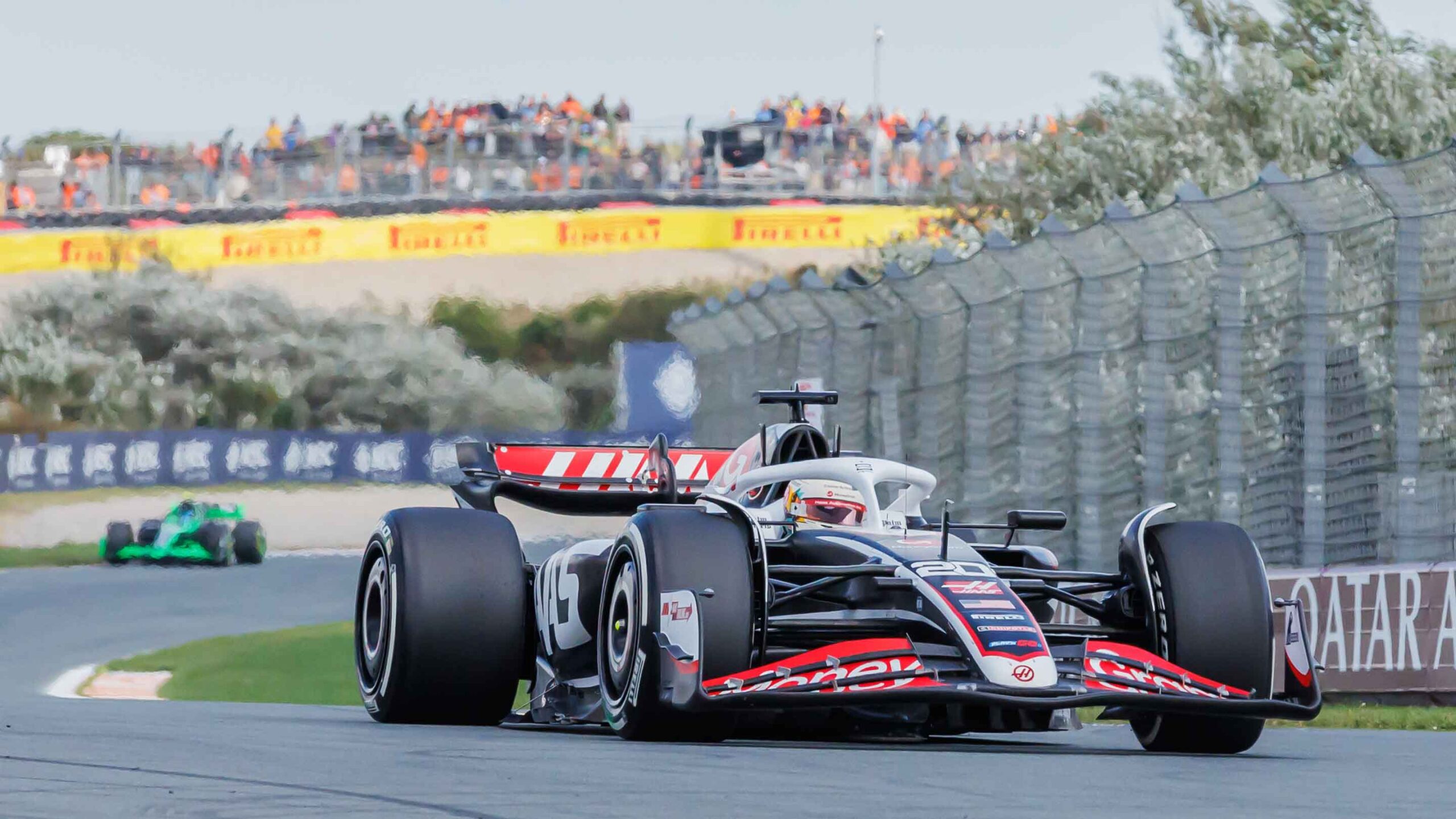
The game calculates a number called Points Per Million, or PPM. It takes the driver's points from the last three races, divides by three, then divides by the current price.
Read Also: How Hybrid Engines Changed Formula 1 Performance Forever?
That average falls into one of four bands. Below 0.6 is terrible. 0.6 to 0.9 is poor. 0.9 to 1.2 is good. Above 1.2 is great. The band sets the direction. The price tier sets the size. A Tier B driver (under $18.5M) with a great rating gains $0.6M.
A Tier A driver with the same rating gains $0.3M. The reverse applies on the downside: a Tier B driver with a terrible rating loses $0.6M.
Why this matters for budget drivers: Two-thirds of the PPM calculation is already locked in by past races. You can calculate the exact score a driver needs this weekend to hit a price rise. That is not guessing. That is math.
The Budget Drivers Worth Targeting
The 2026 grid has a clear value tier. These are the drivers priced low enough to grow fast and performing well enough to grow often.
Oliver Bearman ($5.8M to $8.6M depending on the race weekend). Bearman has been the standout budget pick. Early in the season, he delivered 54 points at $8.6M for a PPM of 6.28.
By the Baku stretch, his price had dropped to $5.8M after a rough patch, and F1's official strategist noted he needed just nine points to rise in value. He has one retirement in his last eight races and averages 5.4 overtakes per race. A cheap driver who finishes races and gains positions is a price-rise machine.
Arvid Lindblad ($8.2M). The Racing Bulls rookie has been classified in every Grand Prix except one. He averages 4.3 overtakes per race, rising to 4.7 since the summer break. F1's strategist noted he needed just seven points in Azerbaijan to rise in value. That is an attainable target for a driver who finishes consistently.
Liam Lawson ($6.4M to $7.9M). Lawson started at $6.5M and climbed to $7.9M by Monaco. He delivered three double-digit scores in four race weekends before Monaco and finished P8 there last year.
The strategist noted his Miami DNF dropping off his three-race average would lower his threshold for a price rise in Barcelona. That is the kind of timing a budget strategist exploits.
Franco Colapinto ($6.2M to $8.8M). Colapinto averaged 13.2 fantasy points per race weekend early in the season, the most of any driver under $12.0M . He delivered a career-best P6 in Canada. His price climbed as his results improved.
Lance Stroll ($5.4M). The least exciting name on this list. But F1's strategist noted he needed just -8 points for a maximum $0.6M price rise across the Monaco-Barcelona double header. A driver who does not need to score to gain value is a budget-building tool.
The Early-Season Team Structure
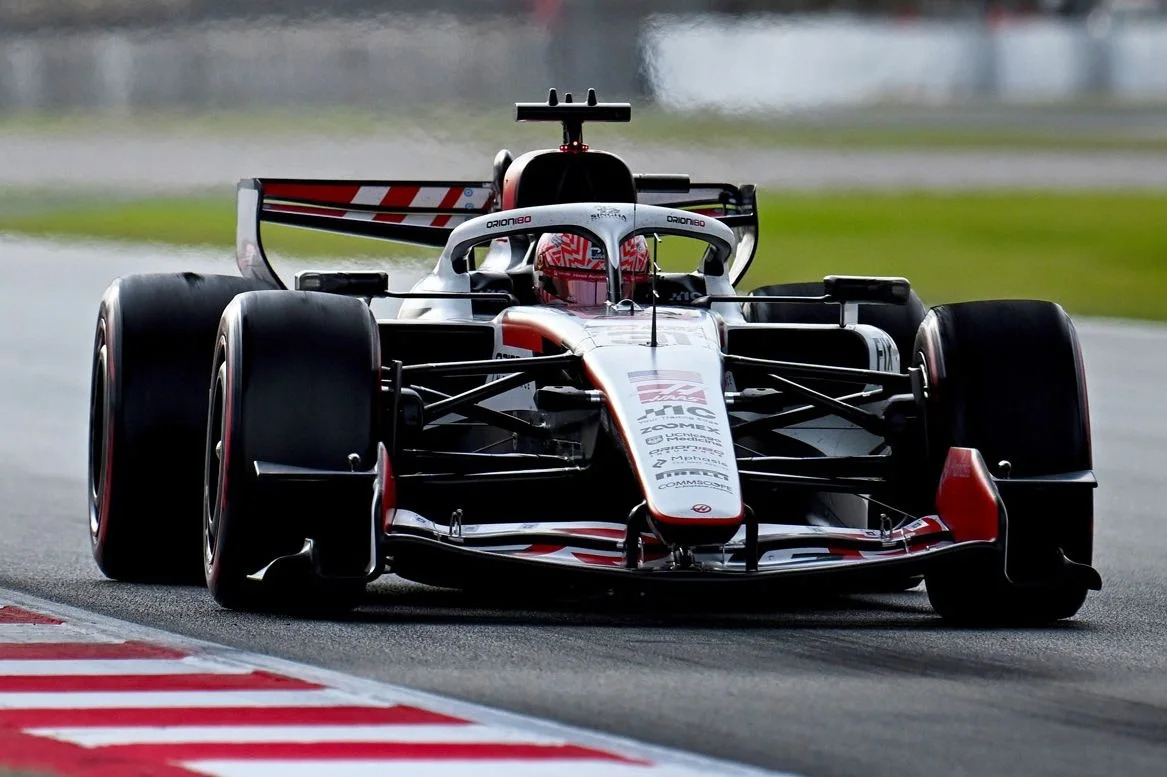
The best budget strategy is not picking five cheap drivers. It is building a team with multiple assets capable of growing your cost cap. The recommended structure: one premium driver for your 2x Boost, three mid-priced drivers with growth potential, one cheap driver expected to outperform their price, one premium constructor, and one constructor with growth potential.
You Must Also Like: How Does F1 Energy Recovery Systems 350kW Battery Work?
That is four to five assets focused on price growth. The premium driver scores points. The budget assets build money. By midseason, your cost cap is higher than your rivals', and you can afford the expensive drivers they cannot.
The honest limitation: Budget building costs you points early. A team full of cheap drivers will not win races. It will win the season. The goal is not to dominate from the start. It is to maximize the number of assets capable of building your budget.
When to Stop Building and Start Scoring
Budget building does not end on a fixed date. It fades gradually. Early in the season, focus on growth. As your cost cap rises, swap budget assets for scorers while keeping one or two growth targets.
The best players make this transition around midseason. They hold the cheap drivers who are still rising. They sell the ones who have plateaued. They buy the premium drivers whose prices have dropped after a bad stretch.
The signal to switch: When you can afford a top driver without sacrificing your entire lineup. When your budget is $30M higher than where you started. When the races remaining are too few for a budget driver to grow enough to matter.
F1 Fantasy Chips Strategy: When to Use Them
The chips change the math. Three matter for budget strategy.
No Negative. This chip erases negative scores from your drivers. The global leader used it in Canada to protect against George Russell's retirement via the Mercedes constructor and Arvid Lindblad's DNF. Use it on a weekend when your budget drivers are at risk. A cheap driver in a fragile car is a negative score waiting to happen.
3x Boost. This triples one driver's points. The top global players used it on Max Verstappen and Oliver Bearman in Australia. The logic: pair a premium scorer with a budget driver in a good car. Both deliver. The budget driver's price rises. The premium driver's points triple.
Wildcard. Unlimited transfers, no cost cap for one race. The F1 FAQ describes it as a chance to pick all the best drivers without worrying about price.
Use it when your budget has grown enough to build a temporary superteam. After the race, your original team returns. The points do not.
What to Avoid
Do not chase drivers who already rose. If a budget driver gained $1.2M over two weekends, the easy money is gone. The next price rise requires a higher score. Find the next one before the crowd does.
Do not ignore the three-race window. A driver's price change depends on the last three races, not the last one. One bad race drops off the average after three weeks. A driver with a DNF in the window has a lower threshold for a price rise. That is an opportunity.
Do not hold a budget driver past their peak. A $6M driver who rises to $12M is no longer a budget asset. The tier changes at $18.5M, but the step size stays large until then. A $12M driver with a great rating still gains $0.6M. But the percentage gain is smaller. The money is better spent elsewhere.
The Final Thoughts
The best F1 fantasy budget drivers strategy for 2026 is a math problem. Find the drivers priced under $18.5M. Calculate their PPM over the last three races. Find the ones who need a small score to hit the "great" band. Buy them before the race. Watch them rise $0.6M in one weekend.
Bearman, Lindblad, Lawson, and Colapinto fit the profile. They are cheap, they finish races, and they gain positions. Stroll is the pure budget tool: a driver who needs almost nothing to gain value.
Build the cap early. Switch to scoring later. Use the chips to protect your budget and amplify your gains. That is the strategy. The drivers change. The math does not.