Thinking about your next car? You’ve probably heard a lot about electric vehicles. It can be confusing. This guide will walk through the electric car vs petrol car debate in a simple, clear way. Let’s explore how they work, what they cost, and which might be right for different drivers.
What Makes Them Go? The Powertrain Showdown
The biggest difference is under the hood, or in some cases, not having a hood at all!
A petrol-powered vehicle has an internal combustion engine. It burns fuel to create small explosions that turn the wheels. It needs a steady supply of gasoline from a fuel station, oil changes, and has many moving parts.
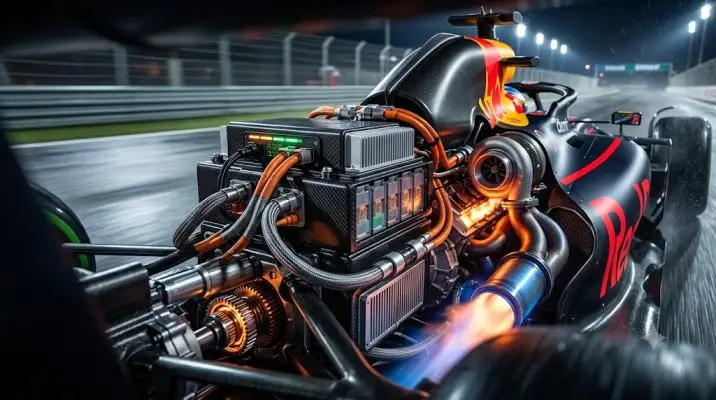
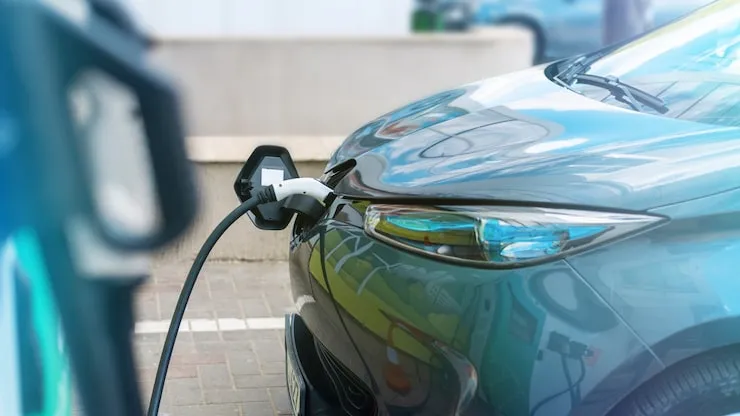
An electric vehicle (EV) is powered by a large battery pack and an electric motor. It’s like a giant version of a remote-control car. You “fill it up” by plugging into a charging station at home or in public. It has far fewer parts and uses electricity as its fuel source.
The Daily Drive: Performance and Feel
How do they feel on the road? This is where many people are pleasantly surprised.
In the electric car vs petrol car comparison for performance, EVs often feel quicker from a stop. That’s because electric motors deliver all their power instantly. This provides smooth, quiet, and strong acceleration and driving dynamics. You hear the road and the wind, not a roaring engine.
Petrol cars have come a long way and are very responsive. The familiar sound of the engine and the action of shifting gears (even with automatics) is what many drivers love. It’s a classic driving experience.
The Cost Conversation: Upfront Price vs. Long-Term Savings
Let’s talk money. This is a key point in any cost of ownership analysis.
-
Purchase Price: Today, most new electric cars have a higher sticker price than similar petrol models. However, federal and sometimes state tax credits and incentives can significantly lower that initial cost.
-
Fueling/Charging Costs: This is where EVs shine. Charging an electric vehicle, especially at home overnight, is much cheaper per mile than buying gasoline. Electricity costs less than petrol.
-
Maintenance and Repairs: Electric cars win big here. No oil changes, no spark plugs, fewer brakes (thanks to regenerative braking), and fewer parts to break. This leads to much lower maintenance and service costs over time.
Going the Distance: Range and Refueling
This is a major topic: driving range and refueling anxiety.
Most modern petrol cars can go over 300 miles on a tank and can be refilled in minutes anywhere. This offers great driving range and convenience.
Electric car range has grown dramatically. Many new models offer 250-350 miles per charge. For daily commutes and local trips, you simply plug in at home like a smartphone. For longer trips, you plan around the public charging network. While fast charging technology can add hundreds of miles in 20-30 minutes, finding a working, fast charger can still be less convenient than finding a gas station in some areas.
Environmental Impact: Tailpipe Emissions vs. Grid Power
What about our planet? This is a crucial factor.
A petrol car directly produces carbon emissions and pollution from its tailpipe. This contributes to air quality issues.
An electric vehicle produces zero tailpipe emissions. Its overall environmental friendliness depends on how the electricity you use is generated. In areas with lots of solar or wind power, it’s very clean. Even on average U.S. grid electricity, an EV is responsible for less pollution over its life. It’s a step toward sustainable transportation.
Home and Charging Setup
Owning an EV is easiest if you have a home charging solution. Installing a Level 2 home charger in your garage means you wake up every morning with a “full tank.” It’s incredibly convenient.
If you rely only on public charging infrastructure, it requires more planning, similar to finding gas stations but with longer stop times. For apartment dwellers, workplace or reliable nearby public charging is essential.
The Fun-to-Drive Factor
Don’t underestimate the fun! The quiet, smooth, and powerful feel of an EV is a new kind of enjoyable. Features like one-pedal driving (using the accelerator to both speed up and slow down) become second nature. It’s a modern, tech-forward driving experience.
Reliability and Long-Term Health
With fewer moving parts and no complex engine, electric vehicles often demonstrate high reliability. The main concern is battery longevity and degradation. Most manufacturers offer long warranties (often 8 years/100,000 miles), and data shows modern EV batteries are lasting much longer than initially expected.
Resale Value and the Used EV Market
The resale value and depreciation story is evolving. As technology improves rapidly, older EVs with less range can depreciate faster. However, as batteries prove their durability and demand grows, this is stabilizing. The used electric vehicle market is becoming a great place to find value.
The Verdict: Which is Right for You?
So, who wins the electric car vs petrol car debate? It depends entirely on your life.
An electric car could be perfect if:
-
You can charge at home.
-
Your daily drives are within the car’s range.
-
You want lower “fuel” and maintenance costs.
-
You prefer a quiet, smooth, tech-forward drive.
A petrol car might still be better if:
-
You take frequent, very long road trips through areas with few chargers.
-
You have no place to install a home charger.
-
You prefer the traditional car ownership model.
The good news is you have great choices in both categories!
Frequently Asked Questions (FAQs)
Q: Are electric cars really better for the environment?
A: Yes, over their lifetime, including manufacturing and driving, electric cars in the U.S. produce significantly less pollution and carbon emissions than petrol cars. This gets even better as more electricity comes from renewable sources.
Q: How long do electric car batteries last?
A: Most are designed to last the life of the car, often 10-15 years or more. Manufacturers typically warranty them for 8 years or 100,000 miles, guaranteeing they retain a large percentage (e.g., 70%) of their original capacity.
Q: Is it expensive to replace an EV battery?
A: While a replacement pack can be costly (several thousand dollars), it is a rare event during typical ownership due to the long battery lifespan. The cost is also coming down each year.
Q: Can I take an electric car on a long road trip?
A: Absolutely! It just requires a bit of planning. You use apps to find fast charging stations along your route. You’ll stop for 20-40 minutes every few hours to charge, which can be a nice break.
Expert Opinion
“The transition to electric isn’t just about swapping a fuel type,” says an automotive engineer with over 15 years of experience. “It’s a complete rethinking of the vehicle. The simplicity of the electric motor, the low cost of energy, and the minimal maintenance create a fundamentally different and, for most daily uses, a superior ownership experience. The key is understanding how charging fits into your life.”
Final Thoughts
Choosing between an electric car vs petrol car is a personal decision. Both have pros and cons. The best choice depends on your budget, your driving habits, and what you value most. Test drive both! Feel the instant power of an EV and the familiar rumble of a petrol car. The future of driving is exciting, and you have more great options than ever before.