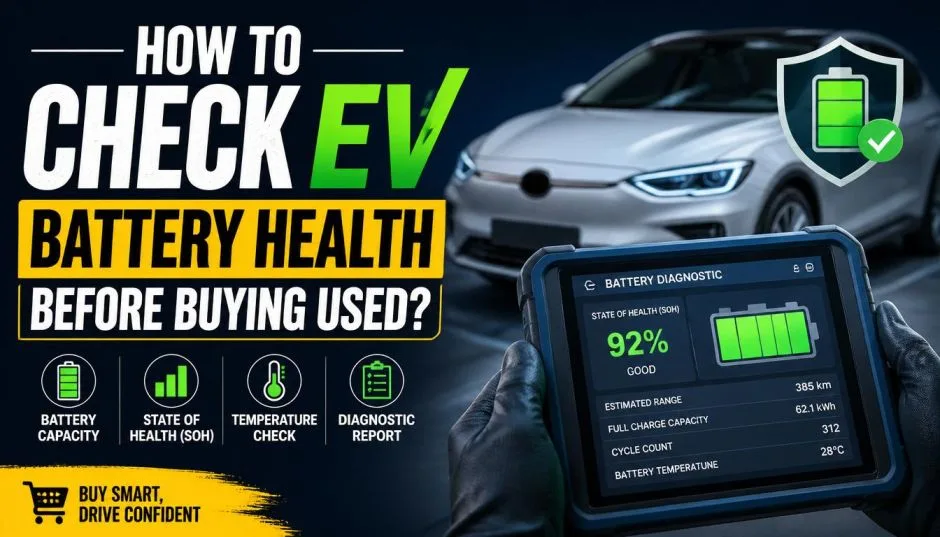
Let me be direct. Buying a used electric vehicle without checking the battery health is like buying a used petrol car without starting the engine. The high-voltage battery is the single most expensive component in any EV, often costing five figures to replace outright.
This is where the smart money either gets made or thrown away. I have spent weeks researching this market, talking to specialists, and digging into real costs. The battery’s health dictates range, fast-charging speed, performance, and future resale value, so understanding the EV battery health check cost up front is non-negotiable.
Getting a professional diagnostic is not just a good idea; it is an investment in peace of mind. Many sellers will tell you the battery is "fine" with a vague wave of the hand. You should not accept that.
So, How to Check EV Battery Health Before Buying Used?
Your goal is to get a clear, data-backed State of Health (SoH) percentage before you sign anything. While a dealer might offer a quick, free scan, independent specialists like DEKRA or TÜV provide detailed reports for a fee, typically around €100 to €150 in Europe.
Read Also: Top 5 Fastest Charging Electric Cars in 2026 Ranked
You can even rent a diagnostic tool like Aviloo for about €100 to run your own extensive, multi-day analysis. This small upfront cost protects you from a potentially catastrophic financial hit down the road.
Why Battery Health Checks Matter So Much?
Battery health isn't just about the maximum range you can achieve. It affects almost every part of how the car drives and lives.
-
Real-world Range: A degraded battery simply won't take you as far. A pack at 92% SoH holds about 92% of its original energy, meaning your daily commute and road trips are directly impacted.
-
Charging Speed: A struggling battery often charges slower. If the battery management system detects issues, it will limit the charging rate to protect the pack, turning a quick 30-minute stop into a much longer wait.
-
Resale Value: As the market matures, buyers are increasingly pricing used EVs based on verified battery condition, not just mileage.
Understanding Battery Health and Degradation
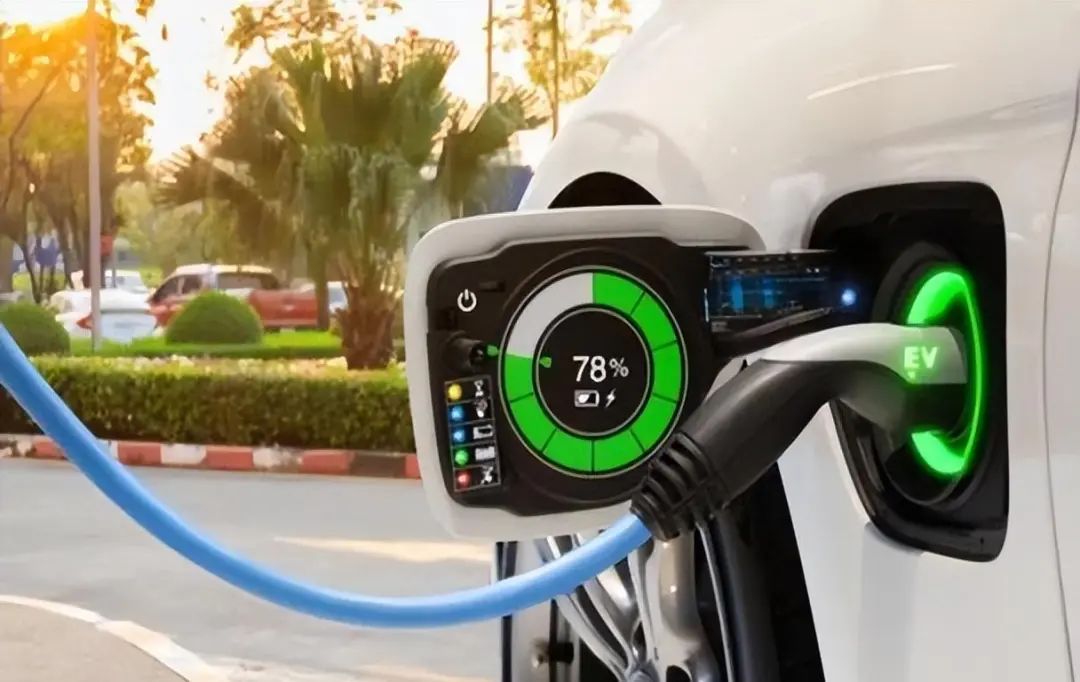
As a practical guideline, here is what you can generally expect:
You Must Also Like: EV Charging Costs Explained: Home vs Public Charging
-
0-3 Years: A healthy battery should show minimal degradation, typically staying above 95% SoH.
-
3-6 Years: Most cars in this bracket show moderate, expected degradation. A good SoH is between 85% and 92%.
-
Warranty Coverage: Most manufacturers (like VW, Hyundai, Tesla) guarantee the battery for 8 years or 100,000 miles, ensuring it stays above 70% capacity during that period.
How to Test an EV Battery Before Buying?
You don't need to be a mechanic to do this. Here is a step-by-step guide.
1. The Dashboard Check
Start with the free data on the instrument cluster.
-
Ask the seller to charge the car to at least 80% before you arrive.
-
Note the State of Charge (percentage) and the estimated remaining range.
-
Compare that to the car's original EPA or WLTP range. For example, if a 260-mile rated car shows 210 miles at 80% charge, that implies roughly 262 miles at 100%, which is perfect.
2. The Real-World Test Drive
Do a simple range test. Drive a controlled 30-40 mile loop at normal speeds. Record the battery percentage before and after. If you drive 35 miles and the battery drops 15-20%, it's a good sign. A much larger drop could indicate a problem.
3. OBD-II Scanner and Apps
For deeper data, use an OBD-II Bluetooth dongle and a good EV app (like CarScanner). This can read the battery's internal SoH data.
-
Cost: An OBD dongle costs around $30–$70.
-
Accuracy: This method is helpful, but bear in mind that SoH readings can vary based on temperature. It gives you a strong indication, not an absolute truth.
4. The Ultimate Step: Professional Inspection
For complete peace of mind, especially on an expensive or out-of-warranty car, you need a professional report.
-
DEKRA Battery Health Report: A fast test (about 15 minutes) combining OBD data with a dynamic acceleration test. Costs around €100.
-
TÜV Rheinland Battery Quick Check: A more intensive test involving software-controlled battery loading, taking about 90 minutes. Costs between €100 and €150.
-
OEM Dealer Report: The manufacturer dealership can provide a detailed SoH printout. Costs vary, but it is often included in a service check.
Key Factors That Impact Battery Degradation
Understanding what causes degradation helps you spot a poorly treated battery:
-
Temperature: Extremely hot weather is the biggest enemy of battery health.
-
High Mileage and Aggressive Driving: Hard acceleration and high speeds can speed up wear.
-
State of Charge Habits: Consistently charging to 100% or depleting to 0% puts stress on the cells. The 20%-80% rule is best for daily use.
Conclusion
Checking the EV battery health before you buy is the most important step in your used EV purchase. While a dealer might provide a free basic report, the real security comes from a third-party expert like DEKRA, TÜV, or a thorough OBD-II scan.
The EV battery health check cost—whether it's the €100 for a professional test or the time spent on a test drive—is a minor expense compared to the potential £15,000+ cost of a new battery.