Let’s say it’s time for a new car. You want space. You want comfort. You want an SUV.
But then you look at the options. There are so many! You see small, sporty SUVs. You see big, family-sized SUVs. How do you choose?
The two most popular types are compact SUVs and mid-size SUVs. They look similar, but they are different in big ways.
This guide will walk you through the compact SUV vs mid-size SUV choice. We will look at size, space, cost, and more. By the end, you’ll know exactly which one fits your life.
A Quick Guide to "Compact SUV vs Mid-Size SUV"
First, think of it like shoes. A compact SUV is like a great pair of sneakers. It’s for everyday use. It’s easy to handle. A mid-size SUV is more like sturdy hiking boots. It’s built for bigger jobs and longer trips with more gear.
The main thing to know? It’s all about dimensions and interior space. A compact SUV is built on a smaller car frame. A mid-size SUV is built on a larger frame. This changes everything inside and out.
The Size Showdown: Exterior Dimensions
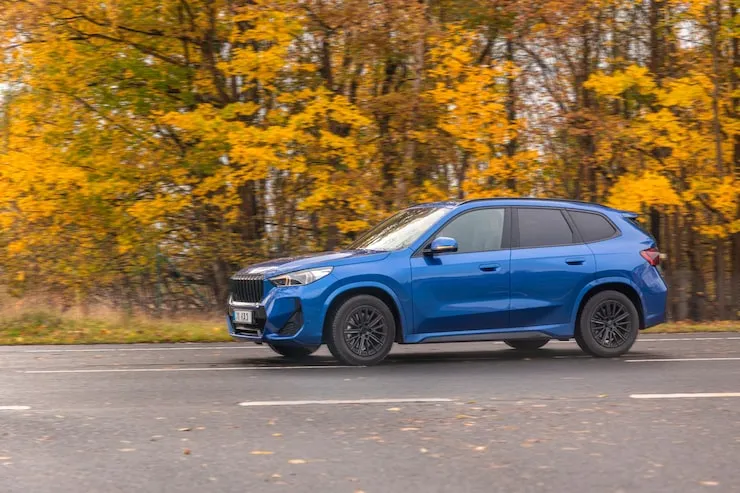
Park a compact and a mid-size SUV next to each other. You will see the difference right away.
Compact SUV: The Easy Parker
These vehicles are shorter in length and height. Think of models like the Honda CR-V or Toyota RAV4.
They are perfect for city driving. They fit into tight parking spots easily. Their smaller footprint makes them feel nimble on busy streets. If you drive in a lot of traffic, this is a big plus.
Mid-Size SUV: The Commanding Presence
Now, look at a mid-size SUV like a Ford Explorer or a Hyundai Santa Fe. You sit up higher. The vehicle is longer and often wider.
This gives you a better view of the road. It feels more substantial. But, it can be trickier to park in a crowded lot.
Space Inside: Cargo and People Room
This is where the choice gets real. How much stuff and how many people do you carry?
Passenger Comfort: Two Rows vs Three Rows
Most compact SUV models have two rows of seats. They comfortably seat five people. The second row has good legroom for adults on shorter trips.
Most mid-size SUV options offer three rows of seating. They can often carry six or seven people. The third row is usually best for kids. But it’s a game-changer for bigger families. If you need extra passenger capacity, a mid-size is the way to go.
Cargo Space: Groceries vs Gear
Open the back hatch. This is crucial.
A compact SUV has a good-sized cargo area. You can fit a week’s groceries, sports gear, or a couple of big suitcases.
A mid-size SUV has a larger cargo hold. With the third row folded down, you can fit bicycles, a huge stroller, or luggage for a long family vacation. It’s about hauling capacity. Need to move a chair? The mid-size SUV wins.
The Drive: Performance and Fuel Economy
How do they feel on the road? And what about trips to the gas station?
Powertrain and Handling
Compact crossovers often have smaller, fuel-efficient engines. They feel light and easy to drive. They can be surprisingly zippy.
Mid-size SUVs need bigger engines to move their weight. This often means more power for towing or merging on the highway. They feel solid and stable, especially on long trips.
Gas Mileage: Daily Commute vs Road Trips
Here’s a trade-off. The smaller, lighter compact SUV almost always gets better fuel efficiency. You will save money on gas if you drive a lot.
A mid-size SUV uses more fuel. But, you are getting more vehicle. If you need the space and power, it’s a worthwhile trade for many.
Costs: Sticker Price and Running Expenses
Your budget is a huge part of this decision.
Comparing MSRP and Value
Walk into a dealership. The starting price of a compact SUV will be lower. You can often get a well-equipped model for a reasonable price.
A mid-size SUV has a higher base price. You are paying for more metal, more space, and often more technology. It’s a bigger investment.
Long-Term Ownership Costs
Think beyond the sale. Insurance for a mid-size SUV can be higher. Tires are bigger and may cost more to replace. And as we mentioned, you’ll likely buy more gas. A compact SUV is generally cheaper to own over time.
Which SUV Fits Your Lifestyle?
Let’s match the vehicle to your life. This is the fun part!
The City Dweller and Solo Driver
Do you drive mostly alone in a busy city? Do you take short trips? A compact SUV is your best friend. Its size, efficiency, and ease of parking make city life simpler.
The Growing Family and Adventure Seeker
Do you have two or more children? Do you take road trips? Do you need to carry sports equipment or pets? The mid-size SUV is your family’s basecamp. The three rows and massive cargo space handle all of life’s adventures.
Features and Technology
Both types come packed with great features. You can get advanced safety systems like automatic emergency braking in both. You can get big touchscreens and smartphone connectivity.
Often, because mid-size SUVs are more expensive, they offer higher-end options sooner. You might find a premium sound system or ventilated seats more readily available in a mid-size model.
The Final Verdict: Making Your Choice
So, which wins in compact SUV vs mid-size SUV? Neither. The right one wins for you.
-
Choose a Compact SUV if: Your priority is easy driving, lower costs, and fuel economy. You have a small family or no kids. You don’t often need to carry a huge amount of stuff.
-
Choose a Mid-Size SUV if: You need maximum space for passengers and cargo. You have a larger family. You take frequent road trips or need more towing power. You are okay with higher costs for more vehicle.
Expert Opinion
We talked to Alex Rivera, an automotive journalist with 15 years of experience. He says, "The market has blurred the lines with some very spacious compact SUVs. But the rule of thumb holds true: if you regularly need to carry more than five people or their gear, step up to the mid-size category. It’s about buying for your peak needs, not just your daily commute."
Frequently Asked Questions (FAQs)
Q: Is a compact SUV too small for a family of four?
A: Not at all! A compact SUV is a great fit for a family of four. You’ll have plenty of room for two kids in car seats and your daily cargo. It’s when you add a fifth passenger, pets, or major gear for trips that you might wish for more space.
Q: Can a mid-size SUV fit in a normal garage?
A: Usually, yes. Most mid-size SUVs are designed to fit in standard home garages. However, they will have less clearance front and back than a compact SUV. Always check the vehicle’s exact length and compare it to your garage dimensions.
Q: Which type of SUV holds its value better?
A: Both categories have models known for strong resale value. Brands like Toyota and Honda typically do well in both compact and mid-size segments. Often, popular mid-size SUVs can retain value very well because of high demand from families.
Q: Are mid-size SUVs much harder to drive?
A: They are not hard to drive, but they feel different. They are larger, so you must be more aware of your vehicle’s width and length, especially when parking. After a short adjustment period, most drivers find them just as easy to handle on the open road.
Ready to Decide?
The best next step is simple: go and see them. Visit dealerships. Sit in both a compact and a mid-size SUV. Bring your family. Bring your stroller or a suitcase. Pretend to load it in.
Feel the space. Imagine your daily life in each one. That hands-on test will tell you more than any article can. Your perfect SUV is out there waiting!