When people think about buying an electric car the first question is often about the price tag. While a new EV might cost more upfront than a similar gas car the cost of owning an electric car in the US involves much more than just the purchase price. It's about fuel maintenance insurance and what the car is worth years later. This guide breaks down all those numbers in simple terms, so you can see the complete picture and make a smart choice.
Understanding the True Cost of Owning an Electric Car in the US
Then, how expensive would it be to have an electric car? It is the total money you put in it the amount of money you spend on it since the day you purchase it to the day you sell it. This is involving the amount of money that you spend to purchase it and the price of charging it and maintaining the vehicle in good condition and even the special charges.
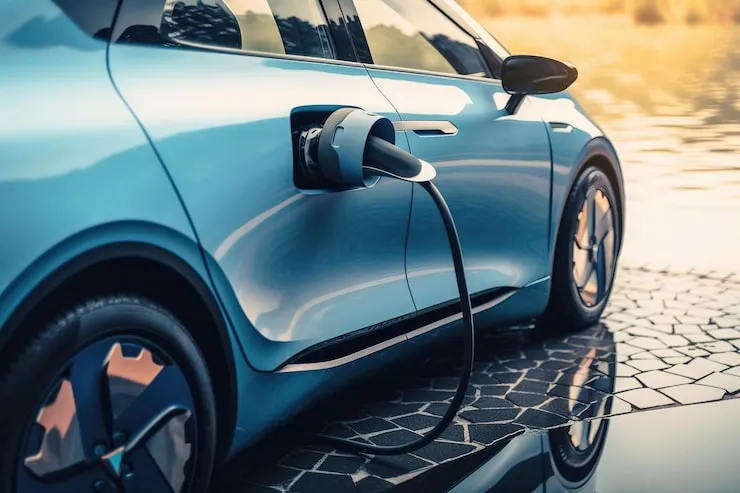
Although the cover cost of a new EV is commonly more expensive, most of the normal expenses are significantly less, and this can make it a superior choice in the long run.
We shall look at all the various components that constitute your total spending.
Upfront Purchase Price and How to Lower It
The window sticker cost is the first cost. The average purchase price of a new electric automobile is approximately $9,000 higher than that of an equivalent new gas car. To use a scenario, a typical gas powered SUV may cost approximately $34,000 to start whereas an electric SUV may cost around $42,000 to start.
But do not be put off by that large figure! Powerful tools can be used to reduce that price:
- Tax Credits and Incentives: The federal government provides up to a total of $7500 tax credit on purchasing a qualifying new EV. There are additional savings made by some states. An example of such is the extra credit provided by Colorado of up to $3500. These credits are a direct deduction to your payment.
- The Case of a Used EV: Purchasing a used electric vehicle is among the most effective methods of saving. A car that is only years old might cost $20000-35000 dollars which is not usually much different than that of a new gas car. The original owner has already incurred the greatest drop in the car value and as such, you have a great deal.
- Dealer Discounts: Occasionally, car manufacturers provide discounts or low-interest loans, so-called green loans, to sell EVs. It is always good to enquire about the new offers.
The Day-to-Day Savings: Charging vs. Pumping Gas
This is where electric cars are ahead of their time. It is nearly always cheaper to fill up an electricity than it is to fill up a gasoline.
Consider it in this way: you are buying miles and not gallons. In a gas car, you can probably spend about 0.11 per mile of driving. You may be paying as little as 0.05 per mile with an EV charged at home. That's less than half the cost!
The following table gives the illustration of the monthly savings of an average driver:
| Cost Factor | Efficient Electric Car (Charged at Home) | 30 MPG Gasoline Car |
|---|---|---|
| Cost per Mile | ~$0.051 | ~$0.108 |
| Monthly Cost (1,000 miles) | ~$51 | ~$108 |
| Yearly Savings with EV | ~$684 |
Critical Point: Location of charge matters a lot. The cheapest one is home charging. Public DC fast chargers are nearly as expensive to use as gasoline, and therefore should be used in trips rather than as a daily use.
You may also read :- EV Ownership Costs Most Buyers Dont Expect
Maintenance and Repair: Fewer Parts, Fewer Problems
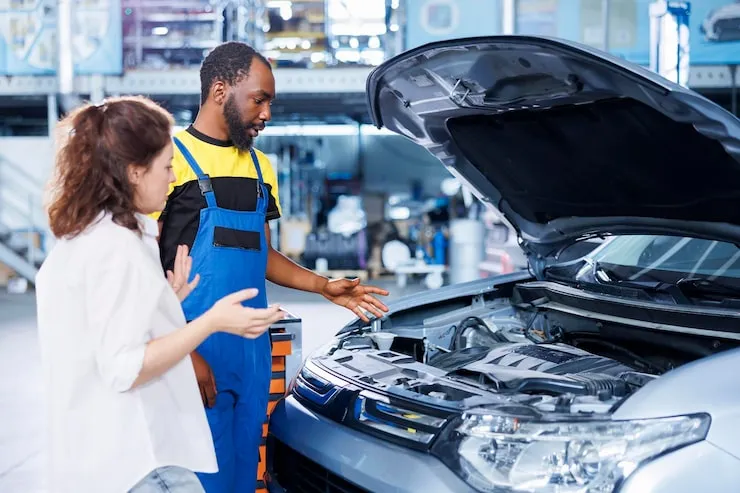
Electric vehicles are less complicated machines. There is no engine, and it does not require changing the oil, spark plugs, and numerous other services. This results in a great reduction of maintenance costs.
The average cost of maintaining an EV is approximately one hundred and fifty dollars annually and between three hundred and three hundred dollars in the case of a gas car. In five years that will save you a number of thousand dollars.
Even the brakes have a longer lifespan since EVs have a form of braking known as regenerative braking that decelerates the vehicle by employing the electric motor that way the physical brake pads are not used so often.
Insurance, Fees, and Other Regular Costs
There are some expenditures on EVs that may be greater than those of gas automobiles. One should be familiar with them in advance.
- Insurance Premiums: EV insurance is usually more expensive- an average of 442 years more. This is due to the fact that costly repair of the high-tech batteries and parts can be very costly. Nevertheless, high safety ratings can be used to offset this by some cases.
- Registration Fees: In most states, EV owners are forced to pay an annual additional fee (such as 200 in Texas) to cover up the taxes they do not pay on gas. Never purchase without looking at the regulations of your state.
- Home Charger Installation: A Level 2 home charger will probably be installed to receive the lowest price. This may either be a single expense of between approximately $500 to above $1,300. Rebates are provided by some local utilities in order to cover this expense.
The Future Cost: What's Your EV Worth Later?
Depreciation is a process through which all cars lose their value. Nowadays, numerous EVs decrease their value slightly more quickly than gas vehicles. The reason is that the technology is advancing rapidly and some individuals are yet to understand the battery life in older models.
What it implies is that in the future when you are going to sell or trade in your EV after a few years, you may not be able to get as much money as you would have gotten a similar gas car. This reduced depreciation is a significant component of the overall cost of ownership.
The 5-Year Picture: Adding It All Up
A longer perspective on costs provides the best perspective. Compare the 5 year cost of ownership of two similar SUVselectric and one gasoline.
| Cost Category | Gasoline Crossover (5 Years) | Electric Crossover (5 Years) |
|---|---|---|
| Purchase Price | $34,000 | $42,000 |
| Fuel / Charging | ~$8,000 | ~$4,000 |
| Maintenance & Repairs | ~$7,000 | ~$4,500 |
| Insurance & Fees | ~$9,000 | ~$9,500 |
| Depreciation | ~$15,000 | ~$19,000 |
| Total Estimated Cost | ~$73,000 | ~$79,000 |
Electric car is very fuel and maintenance saving as can be seen in this case. Nonetheless, it can still be expensive because there is an increased initial cost and a greater rate of depreciation. The difference is narrowing each year and in some of the models, the overall price has already gone below.
Smart Tips to Make Owning an EV More Affordable
- Buy Used: Let someone else pay for the initial depreciation. A 2–4 year-old EV is a incredible value.
- Charge at Home: Set up a home charger to get the lowest power rates. Avoid regular utilize of expensive open fast chargers.
- Research Incentives: Do not miss out on government, state, or local tax credits and discounts. They can save you thousands.
- Check Insurance Cites: Get insurance estimates from different companies before you purchase. Rates can change widely.
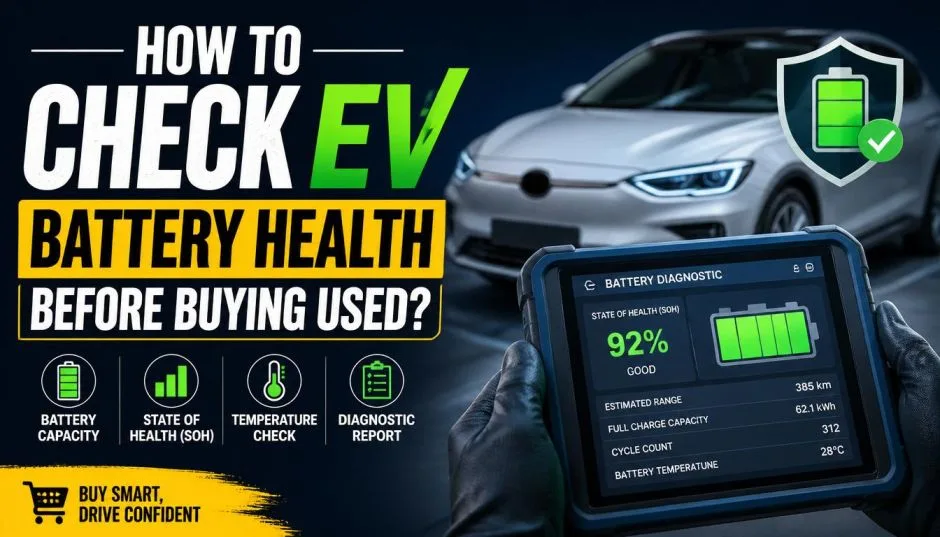
- Understand Battery Wellbeing: If buying utilized, check the battery's wellbeing report. A solid battery implies more run and superior resale value.
Conclusion: Cost of owning an electric car in the US
The genuine fetched of owning an electric car isn't fair one number. It's a adjust. You regularly pay more at the starting and for protections, but you spare a part each month on "fuel" and support. For drivers who can cost of owning an electric car in the US and keep their car for numerous a long time, the add up to investment funds can be substantial.
The best way to choose is to see at your possess driving propensities, investigate the particular car you need, and crunch the numbers for your circumstance. The travel to electric driving is getting to be more reasonable and reasonable each single day.
Frequently Inquired Questions
Do electric cars truly spare money?
Yes, but basically in the long run. You spare altogether on charging and support. To see the full reserve funds, you require to possess the car long sufficient for those lower month to month costs to make up for the higher starting buy price.
What is the greatest drawback to an electric car?
The two primary challenges are the higher forthright buy cost and the current need of open charging stations in a few regions compared to gas stations. Arranging longer trips requires a bit more thought to discover charging stops.
How long do electric car batteries last?
Most EV batteries come with a guarantee for 8-10 a long time or 100,000 miles. Real-world information appears they regularly lose less than 2% of their capacity per year, so they are outlined to final a exceptionally long time.
Are electric cars more costly to insure?
Often, yes. On normal, unfavorable an EV costs around $442 more per year than a comparable gas car. This is due to higher repair costs for progressed innovation and battery packs.