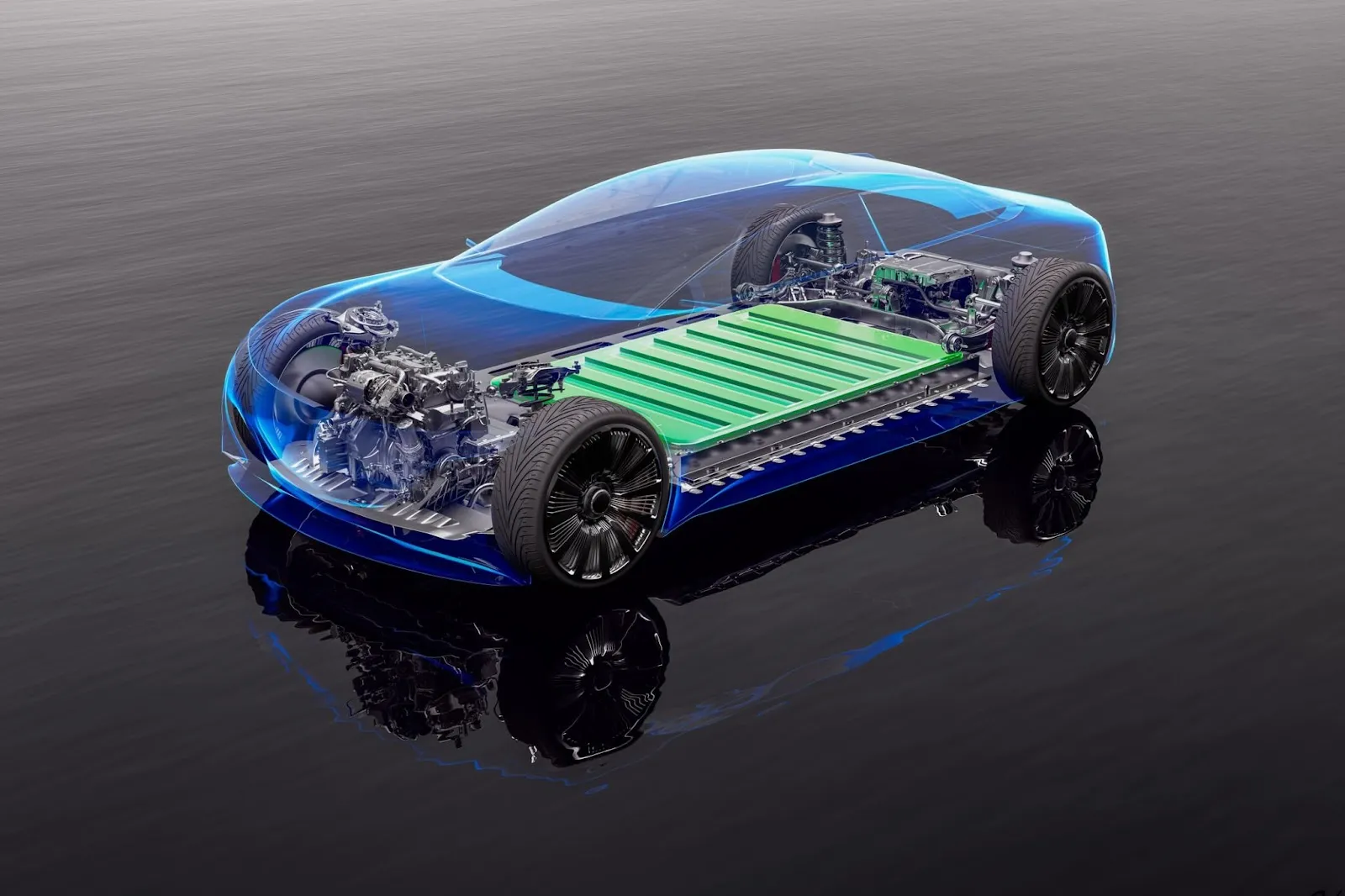
EV batteries themselves have a lifespan of 10-20 years, many times longer than the owner can use the vehicle, and newer lithium-ion packs can last 8-15 years or 100,000-200,000 miles before it is of no use. Conditions such as climate the rate of rapid charging (Level 3) habits of driving and adherence to the recommendations of the manufacturer (such as maintaining the charge between 20-80%) have a significant influence on the lifespan and many batteries have a second life as energy storage after driving.
You will only see more than 10 years of your EV coming with a little concern of battery replenishment and have great manufacturer warranties. New studies have proven that these batteries are standing well than originally anticipated.
How Long Do EV Batteries Actually Last? The Numbers Are In
We will take a glance at the evidence of the real world. A clear picture has been provided by companies that analyse thousands of EVs.
- Replacement is Uncommon: Battery replacement is uncommon, less than 4% of all EVs have ever had their battery replaced. This is even lower in case of newer cars. The replacement rate is small, 0.3, in the case of EVs manufactured in 2022 and beyond.
- Slow and Steady Aging: The maximum range of your EV will be gradually reduced every year, however, not significantly. The average loss of an EV battery is approximately 1.8 percent of overall capacity per year. This implies that five years later a car that initially had a range of 300 miles would now have 273 miles- that is still enough to drive every day.
- Warranties of Peace of Mind: All of the large automakers will warranty you with a battery warranty. In the U.S. the norm is 8 years or 100,000 miles. Others such as Hyundai and Kia have 10 years or 100,000 miles. Such guarantees ensure that these batteries will not drop below a given capacity, typically about 70 percent, at the time.
You may also read ;- EV Battery Replacement Is More Expensive Than You Think
EV Battery Life vs. Gas Car Engine Life
What about that in comparison with the car you may be driving at present? We shall divide it by side.
| Feature | Electric Vehicles (EVs) | Gas-Powered Cars (ICE Vehicles) |
|---|---|---|
| Average Powertrain Lifespan | 15-20 years (often 200,000+ miles) | 12-15 years (approx. 150,000 miles) |
| Key Wear Item | Battery capacity slowly fades | Engine and transmission can have major, costly failures |
| Annual Degradation | ~1.8% loss in driving range | N/A (mechanical wear varies) |
| Typical Long Warranty | 8-10 years / 100,000 miles on battery | 5 years / 60,000 miles on powertrain (varies) |
The statistics indicate that the battery of a modern EV is developed so that it can last as long as (or longer than) the traditional car engine.
What Makes an EV Battery Last Longer?
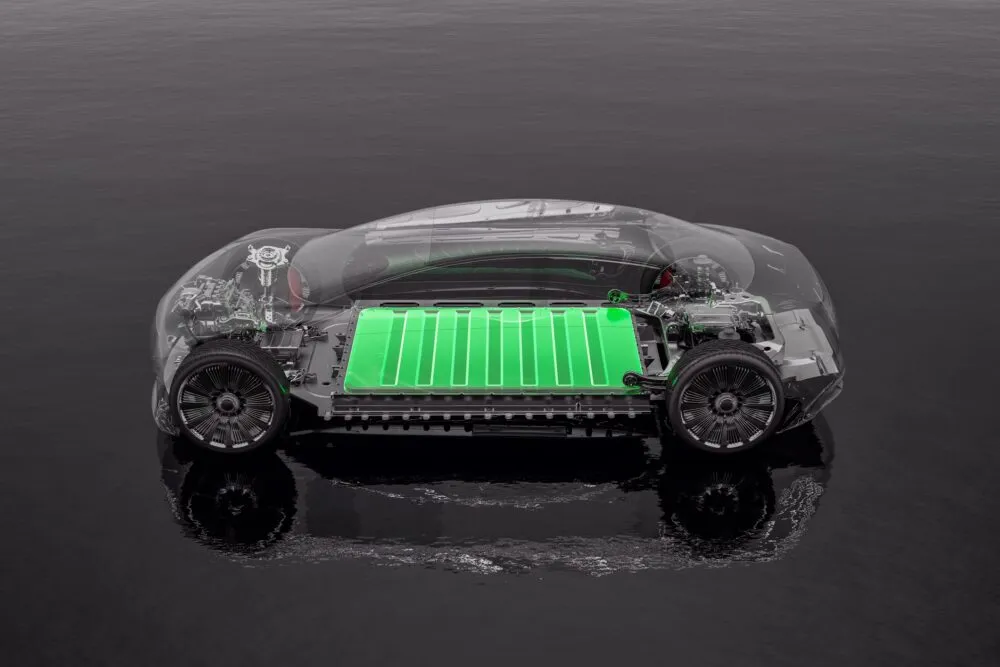
Batteries do not all age. There are a number of important aspects that determine EV battery health and battery life. These are some of the easy habits you can think about to keep your car healthy.
1. Smart Charging Habits
One of the largest things you can manage is how you charge. It is the golden rule of "ABC: Always Be Charging" - but not to 100.
- Never Charge to Full: To use everyday, need to set charge limit on the car to 80%. Leaving the battery to charge regularly is stressful to the battery. Get the full cost when you are putting on a long journey trip.
- Don’t Run It to a Drip: Do not empty the battery frequently, below 20. The most comfortable to use is the mid-range of the battery (between 20 to 80 percent).
- Charge Nondemand: A DC fast charger is fabulous to give your battery a quick charge on the highway, but Level 2 charger is more cost effective at home or in the workplace to expect going through your charge depletion.
2. Be Kind with Heat
Batteries are such similar people, they like mild weather.
- Park in the Shade or Plug In: When it is hot, attempt to park in a garage or the shade. When parked, the car has the ability to power its cooling system and save the battery pack using power in the outlet (not the battery) (and not the battery).
- Preconditioning is Your Friend: The preconditioning is a feature of most EVs. When it is either hot or cold, use your phone app to instruct the car to cool or heat up even when it is connected with the electrical network. This warms up the battery when you are driving, which is healthier than having the battery do all the work by itself.
3. Trust the Technology
Car manufacturers have constructed incredible systems to safeguard your battery.
- Battery Management Systems (BMS): This is the brain of your battery. It continuously reads temperature and voltage in order to ensure that all the cells are operating safely and effectively.
- Liquid Cooling is Essential: The majority of modern EVs have liquid cooling of the batteries. This is far superior to the older air-cooling techniques of maintaining the battery at an optimal temperature, which significantly reduces the rate at which capacity reduces.
The Simple Takeaway
Stop worrying and begin to drive. The statistics are convincing: EV batteries are constructed to last. Under normal usage, your battery should last long enough to the time you have your car. With just a few easy charging rules and a little bit of smart operation, your EV will be able to make it over hundreds of thousands of miles.
According to Liz Najman, a market insights director at Recurrent, it is extremely infrequent that you will have to replace a battery... once you are in business, there is not an eminent worry about it. The next generation of driving will be electric and it will be a battery-built future.
Your EV Battery Questions, Answered
We can address some of the most frequently asked questions.
Q: Do I need to pay a scary and expensive battery replacement?
A: Not at all, at least not in a long time. Replacement of batteries is also uncommon, and when done in recent vehicles, then it is most likely under warranty. Battery pack prices are declining rapidly even after warranty expires, prices have been dropping at an average of nearly 50 percent over the past years and are even likely to drop. This will result in a replacement being much cheaper in the future.
Q: What happens to the battery when it's no longer good for a car?
A: It gets a "second life!" A battery that has lost too much range for driving (say, below 70% capacity) often still has many years of useful life left for less demanding jobs. These batteries are perfect for storing energy from solar panels for homes or businesses. After that, the materials can be recycled to make new batteries.
Q: What should I look for when buying a used EV?
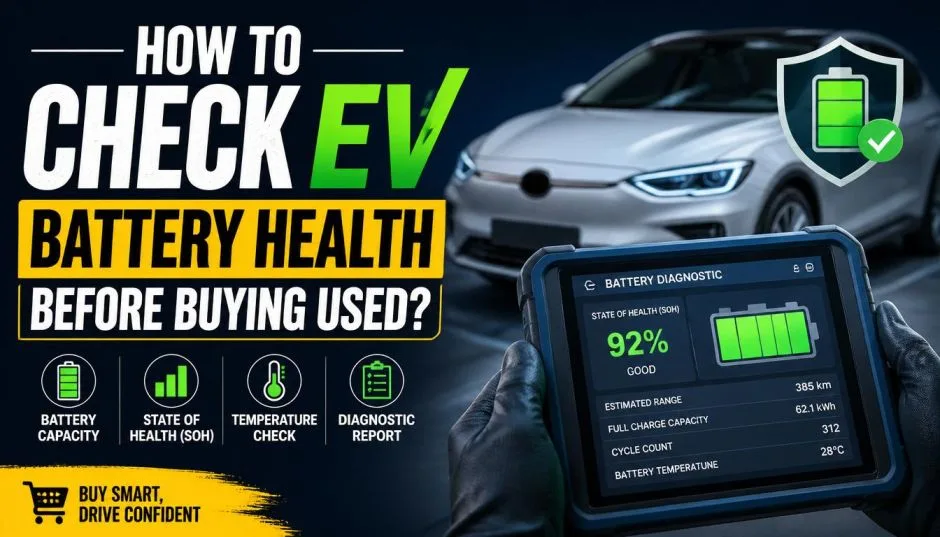
A: The most important thing is the battery's State of Health (SOH). This is a percentage that tells you how much capacity the battery has left compared to when it was new. A good used car dealer should be able to provide an independent battery health report. Don't be afraid of a battery with, say, 85% SOH—it can still be a fantastic car for the right price and for your driving needs.