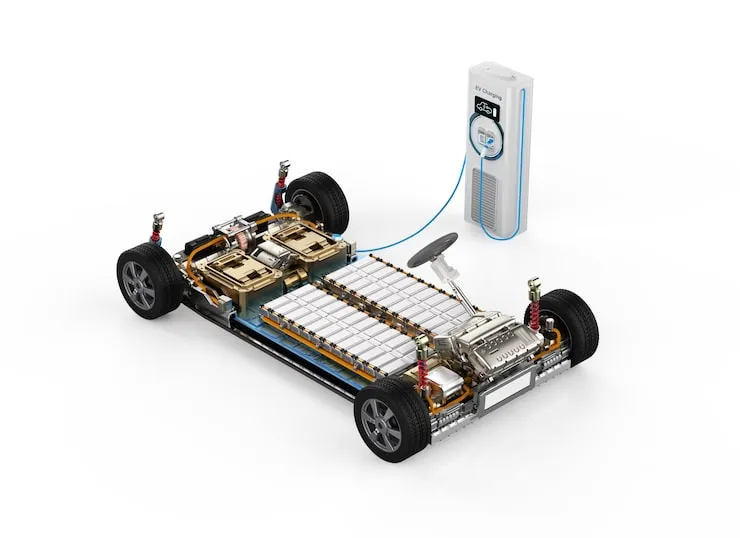
EV battery replacement costs typically range from $8,000 to $20,000+ for a full pack, varying significantly by vehicle size, battery capacity, and brand (e.g., Nissan Leaf: $6k-$10k, Tesla Model 3/Y: $11k-$18k) with prices falling and most owners staying within warranty (8-10 years/100k-150k miles).
Let’s explore what really affects the price how warranties protect you and why experts say these costs are dropping fast.
Why EV Batteries Last Much Longer Than You Think
Many people worry an EV battery will wear out like a phone battery. This is a common misunderstanding. EV batteries are engineered differently and last for many years.
- Built with Hundreds of Cells: Unlike a single cell in a phone, an EV battery pack contains hundreds or thousands of small cells. The workload is shared, so no single cell gets overstressed.
- Advanced Cooling Systems: Cars have sophisticated cooling systems to keep the battery at a perfect temperature. Your phone gets hot while charging; your EV works hard to prevent that.
- Less Frequent Full Charges: Most drivers don’t drain their car battery to zero and charge to 100% every day. These partial charges are gentler on the battery.
Research shows that modern EV batteries degrade very slowly. On average, they lose only about 1.8% of their capacity per year. For a great car, that loss can be as low as 1.0% per year. At that rate, a battery would take 15 to 20 years or more to reach the point where it might need replacing.
In fact, a study of thousands of EVs found that only 2.5% have ever needed a battery replacement. Most of those were for much older models.
You may also read :- Public EV Charging Isnt as Cheap as Buyers Expect
Breaking Down the EV Battery Replacement Cost
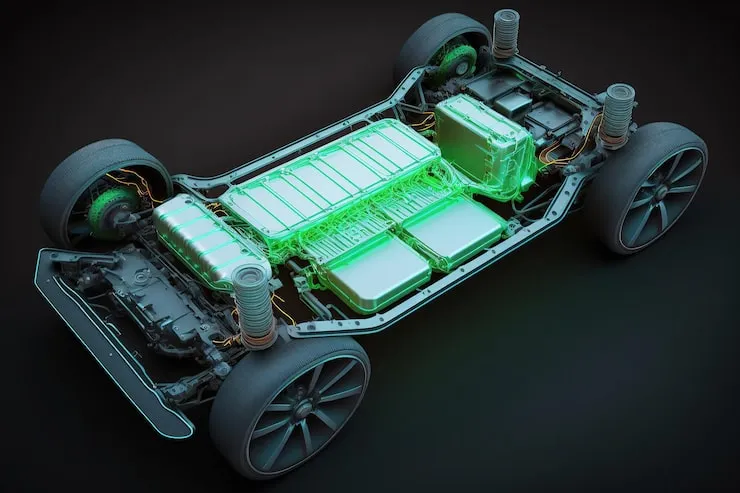
The final bill for a battery swap depends on several things. Think of it like fixing any car: a small sedan costs less to repair than a large luxury SUV.
What Makes Up the Total Price?
The price isn't just for a box of batteries. It includes:
-
The Battery Pack Itself: This is the biggest part of the cost.
-
Labor: It takes skilled technicians several hours to safely remove the old pack and install the new one.
-
Additional Parts & Taxes: New connectors, seals, or software resets, plus sales tax.
Cost by Kilowatt-Hour (kWh)
The best way to compare costs is to look at the price per kilowatt-hour (kWh), which is the battery's size unit. In 2024-2025, that cost was roughly $120 to $250 per kWh. So, a bigger battery (more kWh) means a higher total cost.
The table below shows real-world estimates for popular models:
| Vehicle Model | Typical Battery Size | Estimated Replacement Cost (Parts & Labor) |
|---|---|---|
| Nissan Leaf | 40 - 62 kWh | $5,500 - $10,000+ |
| Chevrolet Bolt EV | 65 kWh | $8,000 - $12,000 |
| Tesla Model 3 / Y | ~75 kWh | $10,000 - $16,000 |
| Ford Mustang Mach-E | 75 - 98 kWh | $12,000 - $18,000 |
| Tesla Model S / X | 100 kWh | $15,000 - $22,000+ |
*Note: Luxury brands and large electric trucks (like the Rivian or Ford F-150 Lightning) often have the highest costs, sometimes reaching $25,000, due to their very large battery packs.*
How Your Warranty Protects You From Battery Costs
This is the most important section for new buyers. Every new electric car sold in the U.S. comes with a special long-term battery warranty.
The Standard Coverage
The federal minimum is 8 years or 100,000 miles, whichever comes first. Many states and manufacturers go further:
-
California mandates 10 years or 150,000 miles.
-
Hyundai, Kia, and Volkswagen often offer 10-year/100,000-mile warranties.
-
Rivian covers up to 175,000 miles.
These warranties guarantee the battery won’t fall below a certain capacity, usually around 70%, during the coverage period. If it does, the manufacturer will repair or replace it for free.
What Does and Doesn’t Void a Warranty?
The warranty covers defects and unusual, rapid degradation. It typically does not cover:
-
Damage from a car accident or flood.
-
Problems caused by modifying the car or using unapproved chargers.
-
Normal, slow loss of range over many years.
Since most battery replacements happen under warranty or recall, the chance of an owner paying out-of-pocket is very small.
The Future is Cheaper: Why Battery Prices Are Falling
If you’re concerned about cost in the long run, there’s fantastic news. The price to replace an EV battery is falling rapidly and will continue to drop.
The Stunning Price Drop
Just a decade ago, battery packs were incredibly expensive. Since then, the cost has plunged. Goldman Sachs Research reports the global average price has fallen from over $400/kWh in 2012 to about $111/kWh in 2024. They forecast it will hit $80/kWh by 2026. That’s a drop of almost 50% in just three years.
What’s Making Batteries Cheaper?
- Cheaper Materials: The cost of metals like lithium and cobalt has come down.
- Better Technology: New designs, like “cell-to-pack” (removing unnecessary modules), make batteries simpler and more energy-dense.
- Mass Production: More factories are being built, creating competition and driving down costs.
One expert, Nikhil Bhandari of Goldman Sachs, notes that “roughly over 40% of the decline is just coming from lower commodity costs”.
EV Battery vs. Gas Engine: A Cost Comparison
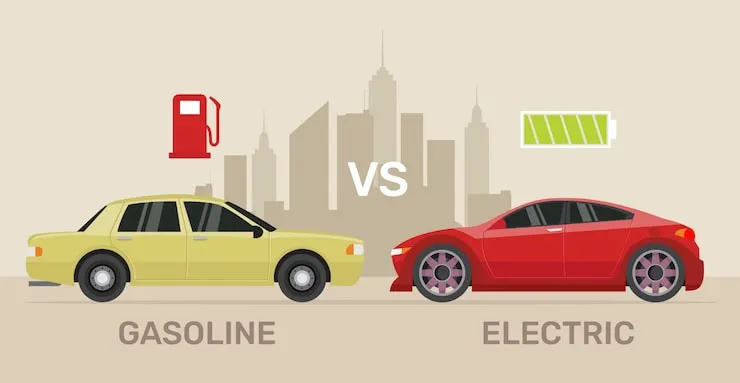
People often compare a battery replacement to replacing a gas engine. Soon, the battery will be the cheaper fix.
-
Today: Replacing an engine in a common sedan like a Nissan Altima can cost $6,000 to $6,500. A new battery for a similar-age Nissan Leaf is about $5,000. They’re already comparable.
-
By 2030: Experts predict that with battery packs around $50/kWh, replacing a standard 75 kWh battery will cost roughly $3,375. This will likely be less than the average major engine or transmission repair.
As Liz Najman from Recurrent Auto says, the data shows that “replacing an EV battery will cost less than fixing a gas engine by 2030”.
Smart Tips to Avoid a Costly Battery Replacement
Even though the risk is low, you can take simple steps to keep your battery healthy for longer.
-
Follow the 20-80% Rule: For daily driving, try to keep your battery charge between 20% and 80%. Avoid constantly charging to 100% unless you need the full range for a trip.
-
Use Fast Chargers Wisely: DC fast charging is great for road trips but creates heat that can stress the battery over time. Use Level 2 chargers at home or work for daily needs.
-
Manage Extreme Temperatures: Park in the shade or a garage in very hot weather when possible. Many EVs have settings to “pre-condition” the battery while plugged in before driving in the cold.
Finding Affordable Solutions If You Need a Replacement
For an older car out of warranty, a full-price dealer quote can be shocking. But you have options.
-
Consider a Refurbished Battery: Companies like Greentec Auto specialize in tested, refurbished packs with warranties. These can save 30-50% compared to a brand-new OEM pack.
-
Ask About Module Repair: Sometimes, only one section (module) of the battery fails. Replacing just that module can cost $2,000-$5,000 instead of a full pack replacement.
-
Shop Around for a Used Pack: For older models like the Nissan Leaf, a used battery from a salvage yard can be a cost-effective fix. An expert might find one for a fraction of the dealer’s price.
When Does Replacement Not Make Sense?
If the repair cost is close to or higher than the car’s current value, it may be smarter to sell the car as-is. Always get a few quotes and explore all alternatives before deciding.
The Final Word on Battery Replacement Costs
Worrying about a massive EV battery replacement cost is like worrying about your gas car’s engine exploding—it could happen, but it’s extremely unlikely. Today’s EV batteries are long-lasting, well-protected by warranties, and becoming cheaper every year.
The real story isn’t about a scary future repair bill. It’s about years of lower fuel and maintenance costs and a driving experience that many find smoother and more enjoyable. When you look at the complete picture, the benefits of electric driving far outweigh the unlikely cost of a battery replacement.
Your Questions About EV Battery Replacement Cost
How long do EV batteries typically last?
Modern EV batteries are designed to last the life of the vehicle. Studies show they can maintain sufficient capacity for 15 to 20 years of average driving. The U.S. Department of Energy estimates a range of 12 to 15 years in moderate climates.
Are there any hidden costs when replacing an EV battery?
The main costs are the pack and labor. However, there can sometimes be additional charges for diagnostics, new battery mounting hardware, coolant, or software programming. Always ask for a detailed, written estimate.
Can I replace my EV battery with a larger one for more range?
Sometimes, yes. Some independent shops specialize in “battery upgrades” for older models. For example, you might put a 62 kWh pack into a Nissan Leaf that originally had a 24 kWh pack. This is more complex and expensive than a like-for-like swap.
Does car insurance cover battery replacement?
Standard insurance does not cover battery wear and tear. However, if the battery is damaged in an accident, your comprehensive or collision coverage should apply. It’s wise to talk to your insurance provider to understand your policy.