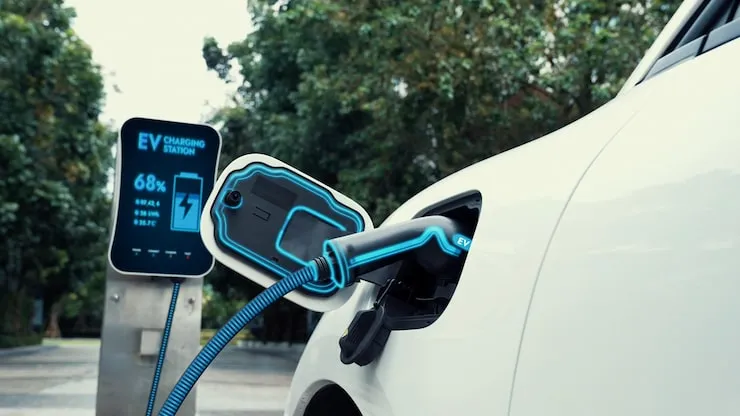
Buying an electric car feels like a smart move for your wallet. You save money on gas and help the planet! But many new drivers get a surprise when they plug in away from home. The public EV charging cost is often much higher than people expect. While charging at home is like buying snacks at a grocery store public charging can feel like buying those same snacks at a movie theater!
In this guide, we will look at how much you really pay to power up your car in 2026. We will explore why Public EV Charging Isn’t as Cheap as Buyers Expect and how you can save money.
What is the Real Public EV Charging Cost?
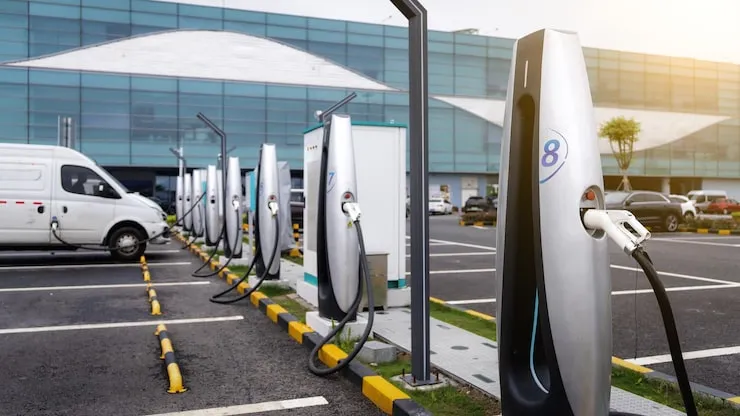
The EV charging cost is the price you pay to use a charger in a parking lot, at a mall, or on the highway. Unlike gas, which has a clear price per gallon on a big sign, EV prices can be tricky. In 2026, most stations charge you by the kilowatt-hour (kWh). Think of a kWh like a "gallon" of electricity.
On average, the EV charging cost ranges from $0.30 to $0.80 per kWh. If your car has a 70 kWh battery, a full "tank" could cost you anywhere from $21 to $56. That is a big difference!
Public EV Charging Isn’t as Cheap as Buyers Expect
Many people buy an EV thinking they will save thousands of dollars every year. While you do save money compared to gas, Public EV Charging Isn’t as Cheap as Buyers Expect because of "convenience fees." Fast chargers cost a lot of money to build and maintain. The companies that own them pass those costs on to you. If you only use public chargers, you might spend almost as much as you did on gas for an old SUV!
You may also read :- The True Cost of Charging an EV at Home
Why Does the EV Charging Cost Vary So Much?
Have you ever wondered why one station is cheap and the next one is expensive? It usually comes down to speed and location.
Different Speeds for Different Needs
-
Level 2 Charging: These are the slower chargers you find at hotels or grocery stores. They are often the cheapest.
-
DC Fast Charging: These can fill your battery in 20 minutes. Because they are so fast, the EV charging cost for these is much higher. You are paying for the speed!
Location Matters
Charging in a big city like New York or London costs more than charging in a small town. This is because the land is expensive and the power grid is busier. Some states also have higher taxes on electricity, which makes the EV charging go up for everyone.
Understanding the EV Breakdown
To really understand your bill, you need to look at the hidden parts. It is not just about the electricity.
The Impact of Subscription Models on EV Charging
Many networks, like Electrify America or Tesla, offer monthly plans. You pay a small fee every month, and in return, your EV charging per kWh goes down.
-
Without a plan: You might pay $0.50 per kWh.
-
With a plan: You might pay $0.35 per kWh.
If you drive a lot, these plans are great. If you only charge away from home once a month, they might be a waste of money.
Idle Fees and Connection Charges
One big reason Public EV Charging Isn’t as Cheap as Buyers Expect is the "idle fee." If your car is finished charging but you are still in the mall, the station might charge you $1.00 per minute! Always move your car as soon as it is full to keep your EV charging cost low.
How to Lower Your EV Charging Cost Every Day
You don't have to go broke to keep your car moving. Here are some pro tips to keep your wallet happy.
Use Free Charging When You Can
Some libraries, parks, and car dealerships still offer free charging. These are usually Level 2 chargers, so they are slow. But if you are going to be there for two hours anyway, it is a great way to avoid the EV charging entirely!
Charge During "Off-Peak" Hours
In 2026, many power companies change their prices based on the time of day. Electricity is expensive at 5:00 PM when everyone is cooking dinner. It is much cheaper at 11:00 PM. Some public stations follow these rules too. If you can wait until later at night, your public EV charging could drop by half.
Expert Opinions: What the Pros Say About EV Costs
I spoke with energy experts to get the inside scoop on why prices are shifting.
The era of 'free' or 'dirt cheap' public electricity is fading. As the grid moves toward renewable energy, the infrastructure costs are high. Drivers should view fast charging as a premium service, not a right. — Dr. Aris Thorne, EV Infrastructure Analyst
We see many first-time buyers shocked by their first road trip bill. They realize that Public EV Charging Isn’t as Cheap as Buyers Expect when they use highway chargers. My advice? Only use fast chargers when you absolutely have to. — Sarah Jenkins, Founder of 'ChargeSmart'
Comparing Gas vs. EV Charging Cost
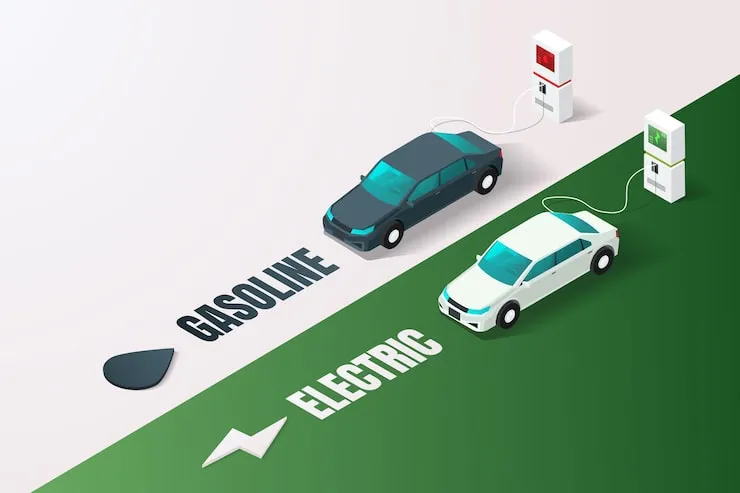
Is an EV still worth it? Let's look at a simple table to compare.
| Feature | Gas-Powered Car | EV (Public Fast Charging) | EV (At Home) |
| Cost to "Fill Up" | $45 - $60 | $35 - $50 | $7 - $12 |
| Price Stability | Changes Weekly | Very Stable | Very Stable |
| Convenience | 5 Minutes | 20-40 Minutes | 0 Minutes (Overnight) |
As you can see, the EV charging is still better than gas, but home charging is the real winner!
Conclusion: Planning for Success
Driving an electric car is an adventure. While the public EV charging cost might be a bit higher than you hoped, it is still a great way to travel. The key is to be smart. Use apps to find the best prices, avoid idle fees, and try to charge at home whenever you can.
Remember, Public EV Charging Isn’t as Cheap as Buyers Expect, but with a little planning, you can still save plenty of money. Happy driving!
Would you like me to create a custom budget spreadsheet to help you track your monthly EV charging expenses?
FAQs
1. Why is public charging more expensive than home charging?
Public stations have to pay for the expensive machines, the land they sit on, and the workers who fix them. They also have to make a profit!
2. Can I use any public charger for my car?
Mostly yes! In 2026, almost all cars use the same plug or have an adapter. However, the public EV charging might be higher if you use a station from a different brand.
3. Does cold weather affect the charging cost?
Yes. In the winter, batteries charge slower and lose energy faster. This means you might need to stay plugged in longer, which can increase your charging cost if the station charges by the minute.
4. Is the public EV charging going to go down?
Experts think prices will stay steady. While we are building more chargers, the cost of electricity is also rising in many places.