Many people ask one big question about electric cars: how much do they really cost? This guide breaks down EV ownership costs in simple terms. It looks at the money needed to buy run and keep an electric vehicle. The answer is more than just the price on the dealer's window. It is a mix of upfront price long-term savings and new kinds of expenses.
Understanding these costs is key to making a smart choice. This article will explore every part of owning an EV. It will cover the purchase price charging maintenance and hidden savings. Let's demystify the true cost of ownership for electric vehicles.
Breaking Down the Initial Purchase Price
The sticker price is the initial price of any car. This price may appear high in the case of electric vehicles.
EV Sticker Price vs. Gas Car Price
Nowadays, a new electric car cost is more likely to be more expensive than a similar gas car. The reason is primarily due to the price of the EV battery pack. This gap is however narrowing every year. More models are entering the market. The downward prices are being caused by better manufacturing. When comparing prices, it is necessary to compare similar features and trim levels.
You may also read :- VFACTS Luxury Car Tax Calculator – How It Affects Purchase
The Important Role of Federal and State Incentives
It is at this point that the math is different. Most governments provide money back policies to promote EV:s. The EV federal tax credit is up to 7,500. Cash rebates to electric cars are provided by many states. They can take thousands out of the effective price. You should never miss to check existing programs in your neighborhood. These incentives have the potential of rendering EVs highly affordable in terms of initial cost.
The Heart of the Matter: Battery Longevity and Warranty
Concern regarding the battery is normative. The question that people ask about batteries is their cost of replacement.
Understanding the EV Battery Warranty
Car manufacturers are aware of the significance of the battery. They guarantee it with powerful assurances. They are required to cover battery expense in 8 years or 100,000 miles as required by law. A lot of brands have 10 years warranties. In this warranty, it is often guaranteed that the charge in the battery will maintain some percentage of its charge. This is also a time when majority of the owners worry about battery degradation.
How Long Do EV Batteries Really Last?
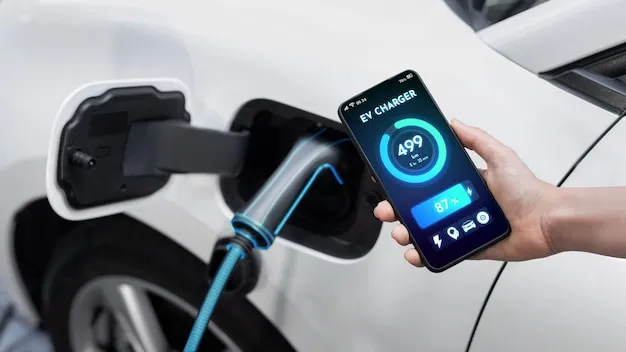
A majority of contemporary EV batteries are made to last longer than the vehicle itself. Under normal usage, they are expected to last between 15 and 20 years by experts. The price per replacement of an EV battery is decreasing rapidly. It is also a rare event. Consider it as a replacement of a car engine. It is an enormous expense, but the occurrence is rare during the period of car ownership.
Fuel Savings: Electricity vs. Gasoline
This is where EV owners smile. A significant benefit is to save money on fuel.
Calculating Your Charging Costs at Home
The least expensive method is home charging. In the U.S., the average cost of charging a car at home via EV is approximately 15-18 fully to charge a car that has a 300-mile range. And that matches up to filling up a gas tank. This has the potential of saving hundreds or thousands of dollars in fuel annually. The price will vary depending on the local electricity costs and gas prices.
The Impact of Public Charging Stations
The charge of EV charging networks in the country is more expensive. It is comparable to home cooked food versus restaurant food. Road trip charging is convenient and more expensive. Charging at home occurs at 80-90 percent in most cases to the owners. This makes the electricity per mile to be low.
Maintenance and Repair: A Simpler Machine
Electric cars have much fewer moving parts. This alters the maintenance cost of an electric car.
Common EV Maintenance Tasks
No more oil changes, spark plugs or transmission fluid. The routine services involve tire swapping, cabin air filter and brake inspection. Curiously, EV brakes wear is significantly smaller. This is due to the regenerative braking. The motor is used by the car to decelerate instead of using the brake pads.
Potential Service and Repair Differences
New systems are to be learnt. Battery thermal management system requires a check-up every now and then. The electric motor itself is quite stable. All in all, research indicates that the EV service fee is approximately one-third cheaper than gas cars in 5 years.
Insurance, Registration, and Financing
These are the same costs as the gas cars but with minor variations.
Is EV Insurance More Expensive?
Yes, often, though not by very much. Electric vehicles can be insured at a premium that is 10-25% higher. This is due to the fact that repair cost and parts may cost more in the present day. The changing trend is through the rise of repair networks. You should be provided with a unique quote on the model you have chosen.
State Fees for EV Registration
A lot of states charge a mandatory as an addition to the base registration fee. This compensates the gas taxes which do not go to EV drivers. Such fees differ greatly depending on the state. They form a significant component of the total cost of owning an EV per year.
Depreciation: How Value Holds Over Time?
The extent to which a car has lost value is deposited as depreciation. Initial EVs lost their value. Today, that story is changing.
Current Trends in EV Resale Value
Most of the popular EV models are now worth their value just like the gas cars. Powerful battery guarantees assist in this. Good reputed brands have even higher resale values of the electric cars. Due to the stabilization of technology, the rates of depreciation are becoming predictable and competitive.
Factors That Protect Your EV's Worth
It is important to maintain your car. So does the battery's health. A full service history helps. The software updates will also make the car feel new. This is potentially beneficial to its value over time.
Home Charging Setup: The Initial Investment
To get the full benefit, a home charger is a great idea.
Level 1 vs. Level 2 Charging Equipment

Each EV is supplied with a Level 1 charger. It plugs into a normal outlet. It is slow. Level 2 home charger is much faster. It requires a 240 volt point such as a clothes dryer.
Installation Costs for a Home Charging Station
Home EV charger is different to install depending on the costs. It relies on your requirements of electrical panel and wiring. The parts and labor average cost is between $800 and 2000. This installation is subject to rebates by some of the utilities and states. This has the ability of reducing your efficient home charging system price.
The Big Picture: Total Cost of Ownership (TCO)
The last, but most crucial number is this one. It sums all over 5, 7 or 10 years up.
5-Year vs. 10-Year Cost Analysis of ownership.
Numerous studies have demonstrated today that EVs can become more affordable with time. Lower fuel and maintenance costs come to counter the increased purchase price. Within five years, there are models that can break even. The long term savings of an EV are very evident in 10 years or so. The overall price of ownership of electric cars is becoming more appealing.
The influence of Driving Habits on the total cost
Personal savings are determined by the use of the car. When you travel a long distance annually, you will save larger sums on fuel. You have to be able to charge at home and save rather than using the public chargers. Another important consideration is your local electricity rate.
Government Subsidies and Tax Reliefs
EVs become cheaper with money back. These shows are updated and hence check the recent.
Trip through Federal Tax Credit Rules
There are federal EV tax credit regulations relating to the production location of the car, as well as battery. The personal tax situation is also relevant. Not all EVs qualify. It is always better to make sure that the dealer or the official IRS site has confirmed the purchase.
Local Utility Incentives and City Incentives
Don't forget local perks! Nighttime electricity rates are lower on most power company discounts on EV owners. There are cities which provide free parking or HOV lanes. All these benefits will add actual value and lower the total cost of owning an EV.
Environmental Costs and Virtues
Although this is in relation to money, the value of the environment is another thing that most owners value.
Going Green: A Home owner Guide to Reducing Your Carbon Footprint
There is almost no way to drive an EV without reduced emissions. This is particularly in the regions where the electricity grids are clean. This is a significant decrease in carbon emissions due to transportation in the life of the car.
Lifecycle Analysis of EVs
Yes, the construction of an EV, and its battery, in particular, has an environmental cost. Nevertheless, multiple researches testify that in its lifetime, an EV is cleaner than a gasoline one, both in its building and driving and during recycling. This advantage is continuously increasing in the form of an electric grid that is becoming more green.
Expert opinion on EV Economics
The leaders of the industry stress on the shifting cost environment. The discussion is shifting to upfront cost to total cost of ownership, says automotive analyst Jessica Caldwell. The economic case of EVs is becoming better each model year, when incentives, fuel, and maintenance are factored in by the consumers.
Moreover, a report by the National Renewable Energy Laboratory of the U.S. Department of Energy showed that the lifetime costs of EVs in most cases already match or are less than conventional cars, without having to reduce their costs in future scenarios.
Conclusion EV Ownership Costs
Owning EV would only be complete when one can see. See beyond the showroom price. Take into account the incentives, the dramatic fuel savings and the reduced maintenance. Consider the home charger price and potential insurance disparities.
To most drivers, the math already takes place. The actual an EV ownership costs would only be complete when one can see. is competitive and in most cases cheaper in the long term. With the drop in prices of batteries and the emergence of more models, this trend is only going to increase. Switching is not simply a choice of environmental choice. It is becoming a savvy economic one.
Frequently Asked Questions
Are EVs indeed cheaper to service?
Yes. EVs have lower maintenance costs due to the lack of oil changes and fewer brake jobs as well as fewer mechanical parts. It is estimated that routine maintenance would save around 30-50% of gas cars.
What is the cost of replacement of an EV battery?
Costs are decreasing, but a complete replacement nowadays would be between 5,000 and 15,000 bucks depending on size and model. They must not forget that it is hardly necessary in the average life of ownership, with its long warranty and long life batteries.
Do I have to be in a special charger at home?
One is not needed, however, one is strongly advisable. The Level 1 charger is extremely slow. Having a Level 2 charger at home makes the ownership far easier and convenient and will always make your car ready to travel.
Is EV insurance more costly?
It is usually slightly higher, sometimes 10-25 percent higher than on a corresponding gas car. This has been attributed to expenses of repairing new technology. Direct quotes of a few insurance companies with regard to your own case are better.
What is the largest expense that is saved by an EV owner?
It is saving on fuel to the majority of the population. It is far cheaper to use electric power than gasoline. This will save you hundreds of dollars in an average of one year on the road.