Imagine the fastest, most advanced cars in the world, racing on tracks across the globe. This is Formula 1. But it wasn't always about lightning-fast speeds and high-tech gadgets. The story of Formula 1 evolution is a thrilling ride through history, science, and incredible human skill.
This guide will explore how Formula 1 changed from simple racing machines to the engineering wonders we see today. Buckle up for a journey through time!
Why Does the Formula 1 Evolution Matter?
Understanding how Formula 1 has changed shows us more than just car races. It shows human creativity. Every new rule, every problem, led to amazing new ideas. These changes made cars safer, faster, and better for our planet. The history of F1 technology is a story of never stopping, always trying to be the best.
The Early Days: Where It All Began
The first official Formula 1 World Championship race was in 1950. Cars back then looked like regular road cars. They had big, front-mounted engines and skinny tires. Safety was very basic. Drivers wore simple helmets and leather jackets. The origins of Grand Prix racing were dangerous but full of brave pioneers.
These early races were won by strong engines and brave drivers. Teams worked in small garages. Technology was simple. But the dream of going faster had already started.
A Guide to Major Changes in Formula 1 Evolution
The Formula 1 evolution guide highlights several big shifts. Each decade brought new rules and new technology that changed racing forever.
The 1960s & 70s: The Rise of Aerodynamics
This era introduced a game-changing idea: aerodynamics in F1. Engineers realized that a car's shape could use air to stick to the road. This is called downforce.
-
Wings Appear: Teams added wings to the front and back of cars. These wings pushed the car down onto the track, allowing faster cornering.
-
Ground Effect: Later, clever car undersides sucked the car to the track like a vacuum cleaner. This was the ground effect era. Speeds in corners became unbelievable.
The Turbocharged 1980s: Pure Power
The 1980s were all about insane power. This was the turbo era in Formula 1. Engines got smaller but used turbochargers to force more air and fuel in, creating huge power boosts.
Cars became rocket ships on straights. But it was risky. Engines could break easily. The fight was between raw power and reliability. It was a loud, exciting, and smoky period!
The Electronic 1990s: Computers Join the Team
The digital transformation of F1 began here. Computers started helping drivers control the car.
-
Traction Control: This stopped wheels from spinning too fast when accelerating.
-
Semi-Automatic Gearboxes: Drivers changed gears with a paddle behind the wheel, much faster than before.
-
Advanced Aerodynamics: Car shapes became more complex and smooth to slice through air.
Modern Marvels: The 21st Century Formula 1 Evolution Guide
The last 20 years have seen the biggest changes in safety, efficiency, and hybrid technology.
The Hybrid Power Unit Revolution
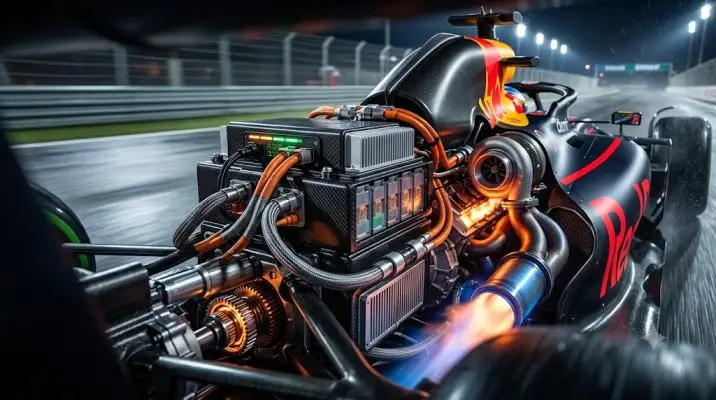
A huge leap came in 2014 with the introduction of hybrid engines in F1. Today's cars are powered by a V6 turbo hybrid power unit. It’s a mix of a gasoline engine and electric motors.
-
Energy Recovery: The system captures heat and braking energy that was once wasted. It turns this into extra electrical power. This focus on F1 efficiency improvements shows a move towards smarter, greener technology.
Aerodynamics Reimagined
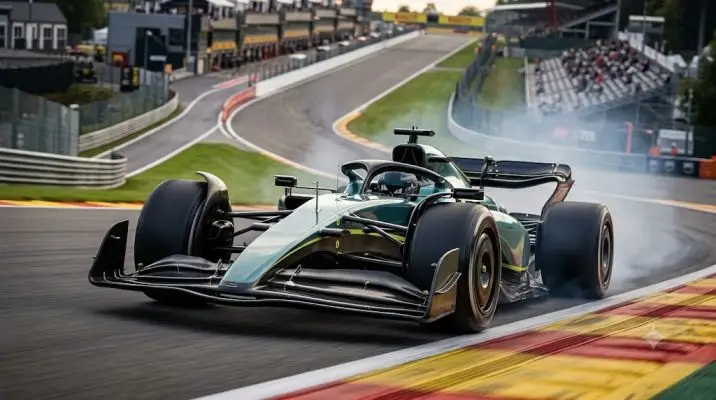
Modern F1 cars are masterpieces of airflow science. Every curve, winglet, and flap is designed to guide air perfectly. The goal is maximum downforce with minimum drag. The development of F1 safety features also shapes design, like the strong "halo" device that protects drivers' heads.
Data: The Secret Team Member
A modern F1 car has hundreds of sensors. They send thousands of pieces of data to the garage every second. Engineers use this information to make perfect strategy calls. This data analytics in motorsport is as important as the driver's skill.
The Impact of Regulation Changes on F1
The FIA (Fédération Internationale de l'Automobile) makes the rules. Their decisions direct the Formula 1 evolution.
-
For Safety: Rules like the halo, stronger cockpits, and better crash testing have saved lives.
-
For Racing: Recent rules aim to make races closer. New F1 aerodynamic regulations for 2022 created cars that can follow each other more easily, leading to more overtaking.
-
For Cost: Budget caps in Formula 1 now limit how much teams can spend. This makes the competition more fair between big and small teams.
The Future of F1 Innovation
What’s next in the Formula 1 evolution? The future is exciting!
-
Sustainable Fuels: F1 is working towards 100% sustainable fuels by 2026. This means the fuel will come from non-polluting sources.
-
Even Smarter Cars: AI and machine learning will help design cars and plan race strategies.
-
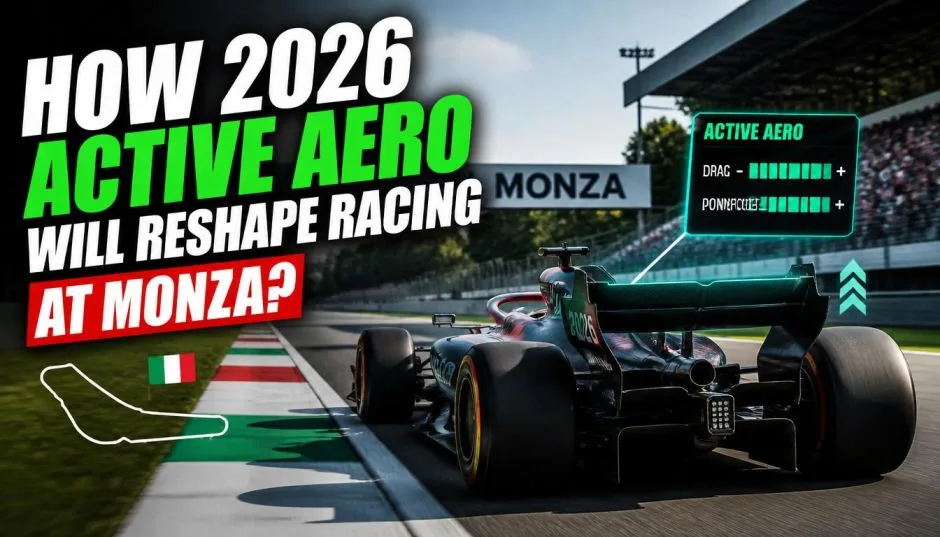
The 2026 Rule Change: A new set of rules arrives in 2026. It will focus on lighter cars, more active aerodynamics, and even greater electric power from the hybrid units.
Expert Opinions and Quotes
What do the people inside F1 think about its evolution?
-
Ross Brawn, former F1 Technical Director and Managing Director: "The evolution of F1 cars has always been a battle between creativity and the rulebook. The push for sustainability is the most important chapter yet."
-
Martin Brundle, former driver and commentator: "The progress in F1 engineering from my driving days to now is staggering. The cars are so much faster and safer, but the challenge for the driver remains immense."
Frequently Asked Questions (FAQs)
Q: How have F1 cars become safer over the years?
A: Safety has improved massively. Features include the halo (head protection), stronger survival cells, better helmets, and advanced barrier technology on tracks. Each development of F1 safety features comes from learning from the past.
Q: What is the biggest factor in making F1 cars faster?
A: It's a combination! Aerodynamics is the biggest factor for cornering speed. Engine and hybrid power unit development is key for straight-line speed. Advanced materials like carbon fiber make cars light and strong.
Q: Why did F1 switch to hybrid engines?
A: For two main reasons: 1) To be more relevant to road car technology, where hybrid and electric power is growing. 2) To improve efficiency—getting more power from less fuel and capturing wasted energy.
Q: How do new rules try to make racing better?
A: Recent rules, especially for car aerodynamics, are designed to reduce "dirty air." This turbulent air behind a car used to make it very hard for the following car to get close. New designs let cars follow closely, creating more wheel-to-wheel racing action.
Q: What does the future of Formula 1 look like?
A: The future is about being fast, fair, and sustainable. Expect even closer racing due to rules and budget caps, and a big focus on eco-friendly racing technology like advanced sustainable fuels.
Conclusion: An Unending Race for Improvement
The Formula 1 evolution is a story that never ends. It is a powerful mix of engineering genius, daring drivers, and smart rule-making. From the roaring engines of the 1950s to the silent electric boost of today's hybrids, the goal is always the same: to be the fastest in the world.
This journey shows that with great challenges come incredible innovations. The next lap of F1's evolution promises to be its most exciting yet, blending the thrill of speed with a responsibility for our planet's future. The checkered flag on progress is never waved.