Choosing a new car can feel confusing. There are so many choices! Two popular options are electric cars and hybrid cars. They both help save gas and are better for the planet than regular cars. But they work in very different ways.
This guide will explain electric cars vs hybrid cars in simple terms. It will look at how they work, their benefits, and which one might be the best fit for different drivers.
Understanding the Basics: How Do They Work?
Before diving into the differences between electric and hybrid vehicles, it's important to understand their basic technology.
What is a Hybrid Car?
A hybrid car is like a team of two engines. It has a traditional gasoline engine and an electric motor with a battery. The car's smart computer decides how to use them.
Sometimes it uses just the electric motor. Other times it uses the gas engine. Often, it uses both together. The battery charges itself when you drive. It uses energy from braking, which is called regenerative braking.
You never have to plug in a standard hybrid. You just fill it up with gas, like a regular car. A plug-in hybrid electric vehicle (PHEV) has a bigger battery. You can plug it in to charge. This lets it drive farther on just electricity alone.
What is a Fully Electric Car?
An electric vehicle (EV) is powered only by a large battery pack and an electric motor. It has no gasoline engine, tailpipe, or gas tank.
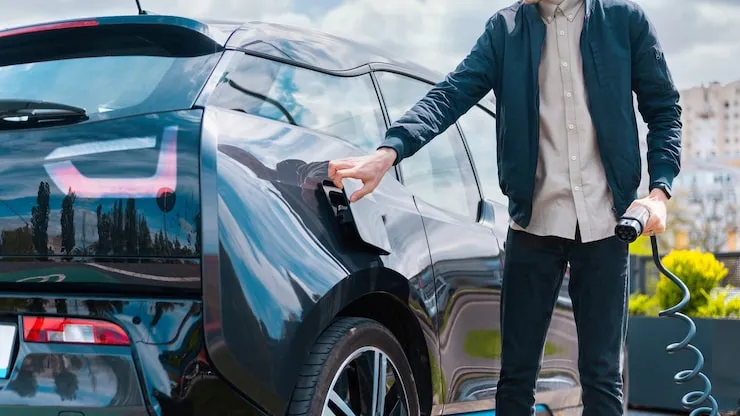
You must plug an EV into a charging station or a wall outlet to recharge its battery. Think of it like a giant smartphone on wheels. When the battery is low, you plug it in. Then, you can drive until it needs more power.
Electric Cars vs Hybrid Cars: A Detailed Guide
Let's break down the key areas where these two types of cars are compared.
Power Source and Fueling Up
This is the biggest difference.
-
Hybrid Cars: They use gasoline and electricity. You fuel them at a gas station. The electric power comes from the gas engine and braking. For plug-in hybrid models, you can also use an electrical outlet.
-
Electric Cars: They run solely on electricity. You "fuel" them by charging the battery. This can be done at home, at work, or at public EV charging stations.
Driving Experience and Performance
Both offer a smooth ride, but they feel different.
-
Hybrid Driving: The ride is often very quiet when using the electric motor. You might feel the gas engine turn on and off. They are great for fuel efficiency in city driving because they use the electric motor a lot at low speeds.
-
Electric Vehicle Performance: The drive is extremely quiet and smooth. Electric cars have instant torque. This means they can accelerate very quickly from a stop. There are no gear shifts, so the ride feels seamless.
Costs: The Purchase Price and Operating Expenses
-
Upfront Cost: Generally, hybrid car prices are closer to regular gas car prices. Electric cars typically have a higher initial purchase price. However, government tax credits for electric cars can help lower that cost.
-
Cost to Run: This is where both can shine. Electricity is cheaper than gasoline. So, charging an EV cost is lower per mile than buying gas. Hybrids save you money by using less gas. They are famous for their high gas mileage.
Emission Levels and Environmental Impact
-
Hybrid Emissions: They produce fewer emissions than a gas-only car. They burn less fuel. But they still burn some fuel and produce tailpipe emissions.
-
Zero-Emission Vehicles: Electric cars produce zero tailpipe emissions. They don't have a tailpipe! Where they get their electricity from matters. If the local power grid uses clean energy, the environmental benefits of EVs are huge. If the grid uses coal, the benefits are less, but it's still often cleaner overall.
Travel Range and Planning Trips
-
Hybrid Car Range: This is a major strength. Since you can fill up with gas in minutes, a hybrid can go as far as a regular car. There's no range anxiety. The total range is often 500 miles or more.
-
Electric Car Range: Most modern EVs can go over 200 miles on a charge. Many go 300+ miles. Planning for long-distance EV travel is different. You need to know where DC fast charging stations are located. Charging takes longer than filling a gas tank, even at the fastest stations.
Maintenance and Long-Term Care
-
Hybrid Car Maintenance: They still have an engine, so they need oil changes, spark plugs, and other traditional care. But they often have less brake wear due to regenerative braking.
-
EV Maintenance Schedule: Electric cars have far fewer moving parts. There's no engine oil, transmission fluid, or spark plugs to change. This can mean lower maintenance costs for EVs over time. Main concerns are tire rotation, cabin air filter, and the battery's health.
Pros and Cons: A Quick Comparison
Hybrid Car Advantages:
-
No need to plug in (for standard hybrids).
-
No range anxiety.
-
Easier to find fuel (gas stations everywhere).
-
Lower purchase price than most EVs.
Hybrid Car Disadvantages:
-
Still uses gasoline and produces emissions.
-
Less performance punch than most EVs.
-
Still requires engine maintenance.
Electric Car Advantages:
-
Zero tailpipe emissions.
-
Very low cost per mile to drive.
-
Quiet, smooth, and powerful acceleration.
-
Minimal maintenance needs.
Electric Car Disadvantages:
-
Higher upfront purchase price.
-
Charging time can be long.
-
Requires access to charging, especially for home charging.
-
Range can be a concern on very long trips.
Which is Right for You? Making the Best Choice
The best choice depends on your life.
A hybrid might be the best choice if:
-
You take frequent, very long road trips.
-
You don't have easy access to a plug where you park at home.
-
You want to save gas and help the planet but aren't ready for a fully electric lifestyle.
An electric car might be the best choice if:
-
You have a place to charge overnight at home (a garage or driveway).
-
Your daily drives are within the car's range.
-
You want the lowest operating cost and the newest technology.
-
Reducing your personal carbon footprint is a top priority.
Many people find a plug-in hybrid is a perfect middle ground. You can drive electric for daily errands. But you still have the gas engine for longer weekend trips.
Frequently Asked Questions (FAQs)
Q: Which is cheaper, a hybrid or electric car?
A: Hybrids are usually cheaper to buy upfront. Electric cars are almost always cheaper to "fuel" and maintain over the life of the car. Tax credits can also make EVs more affordable at purchase.
Q: How long do the batteries last?
A: Both hybrid and electric car batteries are designed to last a long time. Most come with warranties for 8-10 years or 100,000 miles. It's common for them to last the life of the vehicle, though they may slowly hold less charge over many years.
Q: Can I take a road trip in an electric car?
A: Yes, absolutely! It just requires a little more planning. You use apps to find fast charging stations along your route. You stop to charge for 20-45 minutes every few hours. It's a different rhythm than a 5-minute gas stop.
Q: Do electric cars work in cold weather?
A: Yes, but cold temperatures can reduce an EV's range temporarily. The battery isn't as efficient, and using the heater uses energy. Drivers in cold climates simply plan for a slightly shorter range in winter.
Expert Opinions and The Road Ahead
The automotive world is changing fast. Industry experts agree this shift is permanent.
"The debate isn't really electric versus hybrid anymore. It's about choosing the right electrified solution for your needs today. For many, a hybrid is a brilliant first step away from pure gasoline. For others, jumping straight to electric is not only possible but incredibly satisfying. The key is that both are better choices for our wallets and our environment than traditional vehicles." — Sarah Chen, Automotive Technology Analyst
The future is electric. More charging stations are being built every day. Battery technology keeps improving. Both hybrid technology and EV technology are getting better and more affordable.
Final Thoughts
In the great debate of electric cars vs hybrid cars, there is no single "winner." Both are excellent, efficient technologies that represent the future of driving.
-
Choose a hybrid for familiarity, incredibly long range, and an easy way to use less gas.
-
Choose an electric car for cutting-edge technology, the lowest running costs, and zero tailpipe emissions.
Think about how you drive, where you live, and what you value most. Taking a test drive in both is the best way to feel the difference. No matter which you choose, you'll be driving a smarter, cleaner vehicle.