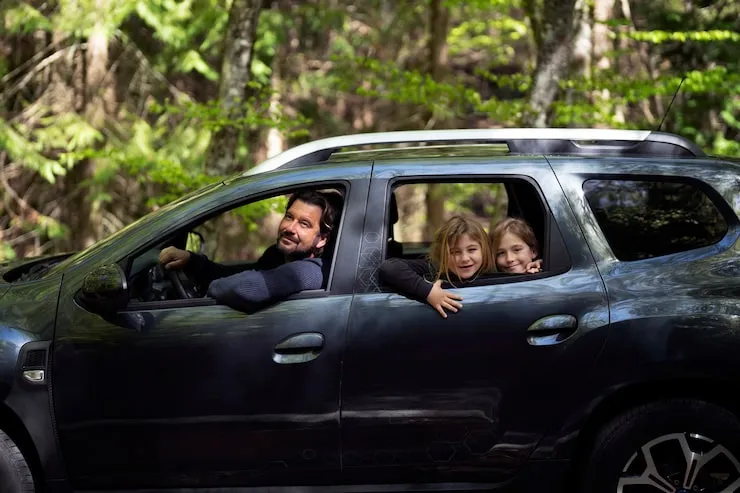
Choosing the right car for your family is a big decision. It’s not just about color or cup holders. The most important thing is keeping everyone safe. That’s why understanding family car safety ratings is so important.
This guide will walk you through everything needed to make a smart choice. We will explain what all those safety words mean. You will learn what to look for when you shop. The goal is to help you find a vehicle that offers real peace of mind on every trip.
Understanding the Family Car Safety Ratings Guide
Think of safety ratings like a report card for a car. Experts crash cars and run tests. They give the car grades based on how well it protects people inside. A car with top safety scores is like a student with straight A’s in protection.
These crash test ratings come from trusted groups. Two big names are the National Highway Traffic Safety Administration (NHTSA) and the Insurance Institute for Highway Safety (IIHS). They are the safety teachers. We should listen to their grades.
Why Top Safety Picks Matter for Your Loved Ones
You might wonder, "Are all these tests really necessary?" The answer is yes. Modern cars are safer than ever because of these tests. They push car makers to build better vehicles.
A car with the best overall safety rating is designed to handle trouble. It has a strong frame to absorb a crash’s energy. It has many advanced safety features to help avoid crashes altogether. Choosing a top-rated car is one of the best ways to protect your family.
Key Safety Features to Look For
Safety starts with the car’s design. Here are the parts that work together to keep everyone safe.
The Importance of a Strong Safety Cage
The cabin where you sit is like a protective cage. During a crash, this safety cage is built to stay strong. It keeps the space around you from getting crushed. A strong cage is the first line of defense.
Cushioning the Blow: Airbags and Seat Belts
Airbags and seat belts are a superhero team. Seat belts hold you in place. Front and side curtain airbags then softly cushion you. They stop you from hitting hard parts of the car. Every person should wear a seat belt on every ride, no exceptions.
The Brains of the Car: Electronic Aids
Newer cars have computers that help you drive. These are advanced driver assistance systems, or ADAS. They are like extra eyes that never blink.
-
Automatic Emergency Braking (AEB): This can see a stopped car and hit the brakes if the driver doesn’t.
-
Blind Spot Monitoring: A light glows if a car is hiding where you can’t see it.
-
Lane Keeping Assist: This gently guides the car if it starts to drift out of its lane.
These tools are great helpers for safe family driving.
How to Use a Safety Ratings Guide When You Shop
Now, how do you use all this information? Let’s make it simple.
Start with IIHS Top Safety Pick+ and 5-Star NHTSA Ratings
When you begin looking at cars, filter your search. Only look at models that are an IIHS Top Safety Pick+. This is the highest award. Also, look for a full 5-star overall vehicle safety rating from NHTSA. This narrows your list to the very safest choices.
Decoding the Label: The Car Safety Sticker
Every new car has a Monroney sticker on the window. Look for the safety ratings on window stickers. It will show the NHTSA star ratings. Don’t be shy about asking the salesperson to point out the safety features. A good dealer will be happy to explain.
Looking Beyond the Crash: Reliability and Repairs
Safety is also about not breaking down. Check reports on vehicle reliability ratings. A trustworthy car that rarely needs fixes is safer for long trips. Also, consider the cost and ease of crash repair. Some cars are designed to be fixed better after a small bump.
Finding the Best Safety Rated Family Vehicles
You want a car that aces the tests and fits your life. Here are some types to consider.
Safest Minivans for Large Families
Minivans are made for families. They often lead the pack in family car safety tests. They have long lists of standard safety tech. They are spacious and easy for kids to get in and out of. For a big family, a top-rated minivan is a brilliant choice.
Top Rated Safe SUVs for Parents
SUVs with high safety scores are very popular. They come in all sizes, from small to very large. Look for an SUV that has all the latest crash avoidance tech. An SUV can be a great, safe command center for active families.
Secure and Spacious: Safest Wagons and Sedans
Don’t overlook wagons and sedans! Many offer fantastic crash test performance and top safety picks. They can be more affordable and use less gas. A midsize sedan or wagon might be the perfect, safe fit for a smaller family.
Your Action Plan for a Safer Drive
Knowing about safety is step one. Putting it into action is step two.
Creating a Family Road Safety Checklist
Before you buy, make a checklist. Your list should include:
-
Top marks from IIHS and NHTSA.
-
Standard Automatic Emergency Braking.
-
Good rear visibility or a quality backup camera.
-
Enough room for car seats, if you need them.
-
High marks for child seat safety ratings.
Take this list when you go to look at cars.
The Final Step: The Test Drive for Safety
Always, always test drive. It’s not just about how the car feels to drive. It’s your chance to test the safety features. Ask the salesperson to show you how the blind-spot monitor works. Try out the automatic brakes in a safe, empty parking lot. Make sure you feel confident using these tools.
Frequently Asked Questions
What is the single most important safety feature in a car?
The seat belt. Every other safety feature works better when everyone is buckled up correctly. It is the most important thing you can do.
Are newer cars always safer than older cars?
Generally, yes. Cars built in the last few years have more advanced safety technology as standard equipment. They are designed to pass much tougher tests.
How can I check the safety rating of a used car?
Websites for NHTSA and IIHS have archives. You can search by the car's year, make, and model. This will show you the ratings it earned when it was new.
Do safe cars cost a lot more money?
Not always. Safety is now a big selling point. Many affordable cars come with excellent ratings and standard safety tech. You don’t have to buy the most expensive model to get top protection.
Expert Insight: As one automotive safety engineer noted, "Our goal isn't just to build a car that survives a crash. We are now building cars with intelligent systems designed to help prevent the crash from happening in the first place. When choosing a family car, prioritize those preventive features—they are the future of safety."
Choosing a car with the best family car safety ratings is an act of love. It takes a little time and research. But the reward—knowing your family is riding in a vehicle built to protect them—is priceless. Use this guide, ask questions, and drive toward safety.