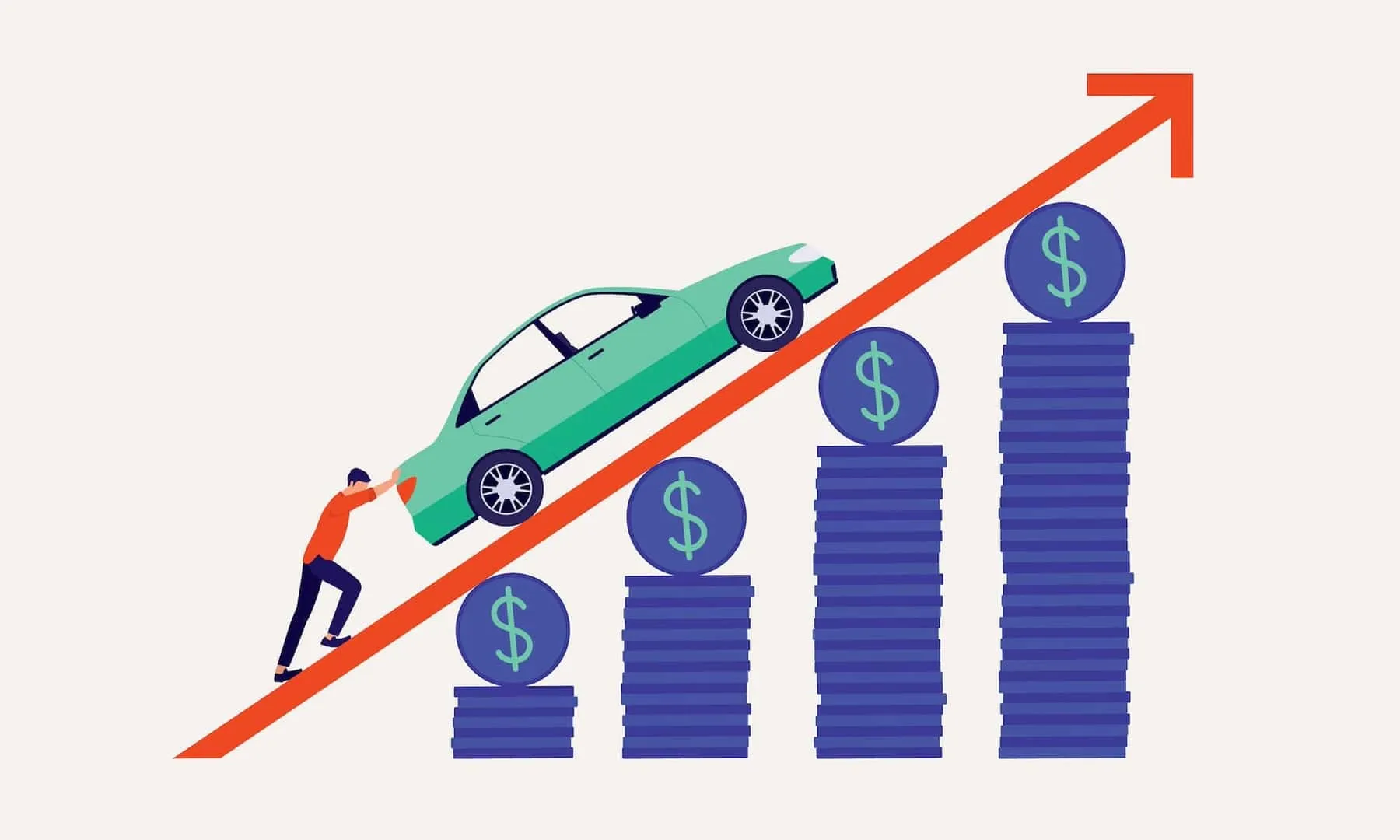
Let’s talk about a tricky car situation. What happens if you want a new car, but your current car is worth less than your loan? This is called having negative equity. Many people call it being "upside down" on a car loan.
Don’t worry. This guide will explain everything. You can learn how to trade in a car with negative equity. It takes planning, but it is possible.
What Does "Negative Equity" Mean?
First, let’s understand the words.
-
Equity means how much of something you actually own. If your car is worth more than your loan, you have positive equity. That’s good!
-
Negative Equity is the opposite. It means you owe more on your auto loan than the car’s current value.
Think of it like this: You borrow money to buy a toy for $10. A year later, that toy is now only worth $5 at the toy store. But you still owe $7 on your loan. You have negative equity of $2.
How Do Cars Get "Upside Down"?
Cars lose value quickly. This is called depreciation. Here’s how you can end up upside down on your loan:
-
A Small Down Payment: You didn’t pay much upfront.
-
A Long Loan Term: Your loan is for 6 or 7 years.
-
High Mileage or Damage: You drive a lot or the car has dents.
-
Rolling Over Old Debt: You added an old car loan to a new one before.
Can You Trade In a Car with Negative Equity? Yes, Here’s How.
You absolutely can swap a car you’re upside down on. But the negative equity doesn’t just disappear. It usually gets added to your new car loan. This is called rolling over negative equity.
The key is to handle it wisely. You don’t want the cycle to keep happening.
Your Step-by-Step Plan to Handle an Upside-Down Trade-In
Follow these steps to make a smart choice.
Step 1: Know Your Numbers
You need three important numbers:
-
Your Car’s Real Value: Check sites like Kelley Blue Book (KBB) or Edmunds for your car’s trade-in value. This is what the dealer will likely pay.
-
Your Loan Payoff Amount: Call your lender. Ask for the exact payoff quote to pay off the loan today.
-
The Negative Equity Amount: Subtract your car’s value from your loan payoff.
-
Example: You owe $18,000. Your car is worth $15,000. Your negative equity is $3,000.
-
Step 2: Explore Your Options
You have a few paths to choose from:
-
Option A: Pay the Difference in Cash
This is the best financial move. If you can pay the $3,000 difference with savings, you start your new loan clean. No extra debt. -
Option B: Roll the Debt into a New Loan
The dealer adds the $3,000 to your new car’s price. Now you’re financing a more expensive car. This makes your new monthly payment higher. -
Option C: Wait and Keep Your Car
Sometimes, the best move is to wait. Keep making payments until you’re not upside down anymore. This might mean driving your car for another year or two.
Step 3: Get the Best Deal on Your Trade-In
Shop around! Get trade-in offers from multiple dealers. Some may offer you more for your car, which lowers your negative equity. Also, look for special dealer incentives or trade-in bonuses that can help.
Step 4: Negotiate the New Car Price Separately
Dealers might try to mix the trade-in and the new car price. Don’t let them.
-
First, agree on the price of the NEW car.
-
Then, discuss your trade-in value.
-
Finally, talk about financing and how to handle the negative equity.
The Risks of Rolling Over Negative Car Equity
Rolling over debt is common, but it has big risks.
-
You Finance More Than the Car is Worth: Immediately, you’ll be even more upside down on the new car.
-
Higher Monthly Payments: Your payment goes up because you’re borrowing more money.
-
Longer Loan Terms: You might need a 72 or 84-month loan to afford the payment, which means paying interest for much longer.
-
Harder to Sell Later: If you need to sell the car quickly, you’ll be stuck. You’ll owe way more than you can get for it.
Expert Quote:
“Rolling over negative equity is like digging a deeper financial hole. It can trap buyers in a cycle of debt. The goal should always be to minimize or eliminate that rolled-over amount before signing,” says Sarah Johnson, a veteran automotive finance manager with 15 years of experience.
Smart Tips to Get Out of a Negative Equity Car Loan
Here are some pro tips to improve your situation.
Increase Your Down Payment
Save up more cash for your next down payment. A large down payment on your next car can offset the negative equity you’re rolling over. This helps keep your new loan manageable.
Consider a Less Expensive New Car
Look at a cheaper new car or a reliable used car. A lower sale price makes it easier to absorb the extra debt without a huge payment shock.
Look for Special Financing Offers
Sometimes manufacturers offer special APR deals or rebates. A low interest rate or extra cash back can help cover some of that negative equity.
Shop for GAP Insurance
If you roll over debt, ask about GAP insurance. If your new car is totaled or stolen, GAP insurance pays the difference between what insurance covers and what you still owe. This is very important when you’re upside down.
Frequently Asked Questions (FAQs)
Q1: Can a dealership take a car that is not paid off?
Yes, dealerships do this all the time. They will pay off your old loan to your lender. Then, they add the amount you still owe onto your new loan.
Q2: Does trading in a car with negative equity hurt your credit?
Not directly. The act of trading it in doesn’t hurt your credit score. However, if you get a much larger new loan, it can increase your debt-to-income ratio. Also, make sure your old loan is paid off correctly to avoid any mistakes on your credit report.
Q3: What is the best way to get out of a car with negative equity?
The best way is to pay down the loan until you have positive equity. If you can’t wait, try to pay off the negative amount in cash. Only roll it over if you have no other choice and you plan to keep the new car for a long time.
Q4: Is it better to trade in or sell a car with negative equity privately?
Selling privately usually gets you more money than a trade-in. This could reduce your negative equity. However, you must come up with the cash to pay off your full loan when you sell. With a trade-in, the dealer handles the payoff, which is easier.
Final Thoughts Before You Make a Move
Trading in a car with negative equity is a big financial decision. It’s not just about getting a new car today. It’s about your budget for the next several years.
Always do the math. Know exactly how much extra you’ll be paying each month and in total interest. Don’t rush.
The most powerful thing you can do is be an informed buyer. When you understand auto loan rollover and dealing with car debt, you make better choices. You can break the cycle of being upside down and drive toward a better financial future.