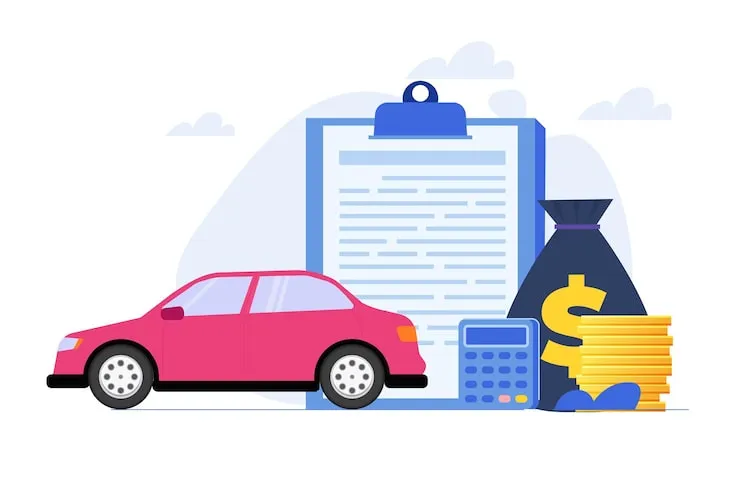
Let's talk about car shopping. It's exciting! You see shiny new models and dream about your next ride. At the dealership, you might hear an offer that sounds great: a low monthly payment stretched over 72 months. That’s six years of payments. It seems like an easy way to get the car you want. But is it the smart way?
This guide will walk through the 72 month auto loan disadvantages. The goal isn't to scare you, but to give you the full picture. Knowing these downsides helps you make a powerful, informed decision.
Guide to 72 Month Auto Loan Disadvantages
A car loan for 72 months is often called a long-term car loan or an extended auto financing option. While the smaller monthly amount is tempting, the long-term effects can be surprising.
Think of it like buying a pizza on a credit card and taking years to pay it off. By the time you finish, you’ve paid for multiple pizzas, not just one. A 72-month auto loan works in a similar way.
Why Lower Payments Come With a Higher Price Tag
The biggest trick of a six-year car loan is the payment. It looks low and manageable. But that low number hides the real cost.
Here’s the secret: the longer you take to pay back money, the more interest you pay. Interest is the bank's fee for lending you cash. With a 72-month term, you are paying interest for a very, very long time.
This means you might pay thousands of dollars extra over the life of the loan. That’s money that could go to savings, vacations, or other important goals.
The Problem of Negative Equity: When You Owe More Than Your Car is Worth
This is one of the biggest 72 month auto loan disadvantages. Let's break down negative equity, sometimes called being "upside down" on your loan.
Cars lose value fast. A new car starts losing value the moment you drive it off the lot. This loss is called depreciation.
With a short loan, your payments work hard to keep up with this drop in value. But with a long car loan, depreciation often wins the race. After two or three years, you might owe $18,000 on a car now only worth $14,000. You are $4,000 "upside down."
This causes headaches if you need to sell the car or if it gets totaled in an accident. Your insurance might only pay the car's current value ($14,000), leaving you to pay the $4,000 difference to the bank.
Paying More Interest Over the Loan’s Life
Let’s look at total interest costs. This is where the friendly monthly payment shows its true colors.
For example, a $30,000 loan at 5% interest for 5 years (60 months) costs about $3,968 in total interest. The same loan stretched to 72 months? You'll pay about $4,756 in interest. That’s nearly $800 more just for stretching the loan another year.
You are literally paying more for the privilege of paying slower. This increased finance charges can add up to a major financial setback.
Being Stuck With the Same Car For a Very Long Time
A 72-month auto loan is a six-year commitment. That’s a long time to drive the same vehicle.
Your life can change a lot in six years. You might have kids, change jobs, or need a different type of vehicle. Getting out of a long-term auto loan early is difficult because of that negative equity trap we discussed.
You could feel stuck in a car you no longer want or need, simply because you can’t afford to sell it.
Higher Costs for Repairs and Maintenance
Cars need more care as they get older. Tires, brakes, batteries, and other parts wear out.
With a six-year financing plan, you’ll likely be making payments on the car well past the factory warranty period. So, in year five, you could be facing a $1,200 repair bill while still paying your monthly loan note. That’s a double hit to your wallet.
A shorter loan means you might own the car free and clear before these major repair costs start, giving you more flexibility.
The Risk of Higher Interest Rates
Lenders often see extended term loans as riskier. To offset that risk, they may charge a higher interest rate on a 72-month loan compared to a 36 or 48-month loan.
Even a slightly higher rate, when spread over six years, can cost you a lot. Always compare the annual percentage rate (APR) between different loan terms, not just the monthly payment.
Slower Path to Building Ownership Equity
Equity is the portion of the car you actually own. It's the car's value minus what you still owe. Building equity is a good thing!
With a long-term car loan, you build equity very slowly in the early years. Most of your payment goes toward interest, not the loan balance. This keeps you in that risky "upside down" position for much longer.
Making Smart Choices for Your Auto Financing
So, what’s the alternative? The goal is to find a balance.
-
Choose a Shorter Loan Term: A 48 or 60-month loan helps you pay less interest and build equity faster.
-
Buy a Less Expensive Vehicle: Consider a quality used car or a lower-priced new model to fit a comfortable 5-year loan.
-
Make a Larger Down Payment: Putting more money down at the start reduces your loan amount and helps you avoid negative equity immediately.
-
Make Extra Payments: If you do take a longer loan, paying even a little extra each month can shorten the term and save you hundreds in interest.
Expert Opinion: Sarah Davis, a certified financial planner, says, "A car is a rapidly depreciating asset, not an investment. Financing it over 72 months turns a practical purchase into a long-term financial burden that often outweighs the benefit of a lower payment."
Frequently Asked Questions (FAQs)
Q: Is a 72-month car loan ever a good idea?
A: It can be workable in very specific cases, like if you get an exceptionally low promotional interest rate (like 0% or 1%), and you are certain you will keep the car for the full term. Even then, understand the risks of long-term ownership.
Q: What is a good loan term for a car?
A: Many experts recommend keeping auto loan terms to 60 months (5 years) or less. This strikes a better balance between a manageable payment and minimizing total cost and risk.
Q: How can I get out of a 72-month car loan?
A: It's challenging. You can:
-
Pay it down aggressively with extra payments to reach positive equity.
-
Sell the car privately, but you’ll need to pay the loan difference out of pocket.
-
Refinance to a shorter term if your credit has improved, though this may not solve the core equity issue.
Q: Does a longer loan hurt my credit score?
A: Not directly, but the high balance compared to the car's value (loan-to-value ratio) can make it harder to get other loans. Also, having a high amount of debt can affect your overall financial health.
The Bottom Line: Look Beyond the Monthly Payment
The disadvantages of a 72 month car loan are real and significant. While the lower monthly cost is attractive, the long-term financial drawbacks include more interest, major negative equity risk, and less flexibility.
The most powerful move you can make is to look at the total loan cost, not just the monthly payment. Choose a car and a loan term that fit your life without creating a six-year financial anchor. Your future self will thank you for making a smart, informed choice.