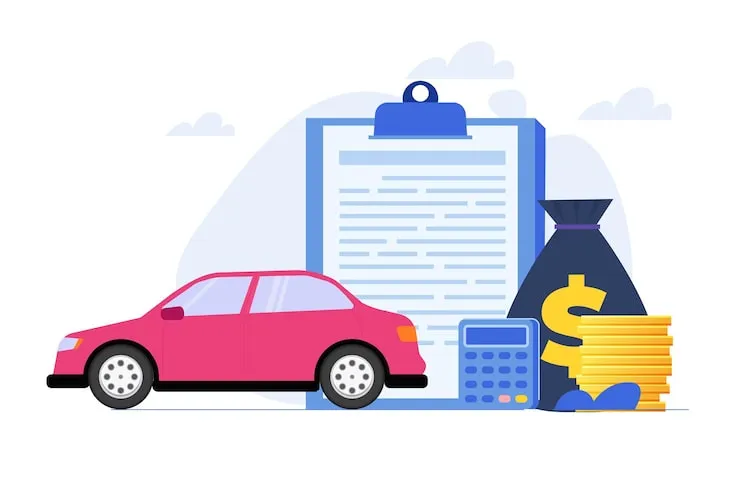
Buying a car is exciting! You find the perfect one, negotiate the price, and feel ready to drive away. But wait. There’s a crucial step many people rush through: the loan paperwork.
The final price of a car isn’t just the sticker price. It’s the total cost of the loan. Sadly, many costs are hidden in the fine print. This guide will shine a light on those hidden fees.
Knowing these fees helps you save money. It helps you ask the right questions. It turns you from a confused buyer into a confident one.
Let’s look at the auto loan fees buyers overlook.
Understanding the True Cost of Your Car Loan
The monthly payment is important. But it doesn’t tell the whole story. Lenders and dealerships sometimes add extra charges. These charges increase your total cost.
Think of it like buying a plane ticket. The advertised price is low. But then you pay for a seat, a bag, and other fees. The final cost is much higher.
Car loans can be the same. The interest rate is just one part. The fees are the other. You must look at both.
Common Auto Loan Fees Buyers Overlook
Here are the fees that often hide in your loan documents.
1. The Loan Origination Fee
This is a fee for processing your loan application. It’s like a "setup" charge. Not all lenders charge this. But if they do, it can be 1% to 2% of the loan amount.
For a $20,000 loan, that’s $200 to $400 extra. Always ask, "Do you charge a loan origination fee?"
2. The Documentation Fee (Doc Fee)
This fee is for preparing and filing the sales documents. Dealerships charge this. The amount varies by state. Some states have limits. Others do not.
A doc fee can range from $100 to over $800. You can sometimes negotiate this fee. Don’t be afraid to ask for a lower doc fee.
3. The Annual Percentage Rate (APR) Adjustment
Your credit score decides your interest rate. But dealers can add a little extra to the rate the bank offers. This is called "markup." They earn money from this higher rate.
You might qualify for a 5% rate. The dealer might tell you it’s 6%. That 1% extra makes them money. It costs you thousands over the loan.
Always get pre-approved from a bank or credit union first. This gives you a rate to compare.
4. The Prepayment Penalty
This is a surprising fee. It charges you for paying off your loan early. Lenders do this because they lose future interest money.
Always read the contract. Look for the words "prepayment penalty." If you see it, ask to have it removed. Most good loans don’t have this.
5. Credit Life and Disability Insurance
The finance manager might offer you insurance to pay off the loan if you die or become disabled. This is often very expensive.
You usually don’t need this. Your own life insurance can do the same job for less money. Politely but firmly say, "No, thank you."
6. The Extended Warranty or Service Contract
This is not a loan fee, but it’s often added to the loan amount. This increases your debt and the interest you pay.
These contracts are costly. They are a big profit source for dealers. Decide if you really need it before signing. You can often buy it later.
7. Title and Registration Fees
The state charges these to transfer the car’s title to your name and register it. The dealer handles this but will pass the cost to you.
These are usually mandatory. But you should know the exact cost for your state. Ask for an itemized list.
8. The "GAP" Insurance Question
If your car is totaled or stolen, insurance pays its current value. This value can be less than your loan balance. GAP insurance covers that difference.
It can be smart, but it’s often overpriced at the dealer. You can buy it from your regular insurance company for much less. Check their price first.
Expert Quote: "The most overlooked fee is the rate markup. Buyers focus on the monthly payment, not the rate. A difference of just half a percent can mean paying over $1,000 more on an average loan. Always know your credit score and your pre-approval rate before you walk in." – Sarah Chen, Certified Financial Planner.
How to Spot and Avoid These Hidden Charges
Feeling overwhelmed? Don’t be. You have the power to find and fight these fees.
-
Get Pre-Approved: Visit your bank or credit union first. Get a loan approval in writing. This is your best weapon. It shows you the real rate you deserve.
-
Read Every Line: The buyer’s order and loan contract list all fees. Don’t just skim. Read every single line. Ask, "What is this fee for?"
-
Negotiate the Fees: Just like the car price, fees can be negotiated. Say, "Can you lower this documentation fee?" or "I’d like to remove the prepayment penalty."
-
Say "No" to Add-ons in Finance: The finance office is where they sell high-profit extras. Be ready to politely decline offers for warranties, insurance, and protection packages.
-
Calculate the Total Cost: Use an online auto loan calculator. Put in the price, interest rate, loan term, and all fees. See the total amount you will pay. This number is more important than the monthly payment.
Smart Questions to Ask Your Lender
Walk into the finance office with these questions ready:
-
"Can you provide a full list of all fees included in this loan?"
-
"Is there a loan origination fee?"
-
"What is the buy rate from the bank, and what is my agreed-upon APR?" (This asks about markup directly).
-
"Does this loan have a prepayment penalty?"
-
"Which of these fees are mandatory, and which can be removed?"
Asking shows you are informed. It often prevents them from adding unnecessary charges.
FAQs About Auto Loan Fees
Q: Are all car loan fees bad?
A: No. Some fees are required and normal. Title and registration fees go to the state. A reasonable documentation fee covers paperwork. The bad fees are the hidden, unnecessary, or inflated ones that just add profit for the lender.
Q: Can I really negotiate fees?
A: Yes! Everything is negotiable in a car deal, including fees. The doc fee, add-on products, and even the interest rate can often be talked down or removed.
Q: What is the single most important number to look at?
A: The total amount financed. This is the loan amount after all fees are added. Also, look at the total of payments on your contract. This tells you exactly how much you will pay over the full loan life.
Q: Is a longer loan term better for a lower payment?
A: A longer term (like 72 or 84 months) lowers the monthly payment but is very costly. You pay much more in interest over time. You also risk being "upside-down" (owing more than the car is worth) for many years. A shorter term (36-60 months) is almost always smarter.
Q: Should I just pay cash to avoid loan fees?
A: If you can, yes. But for most people, a loan is necessary. The goal is to get the fairest, most transparent loan possible by understanding the costs.
Final Thoughts: Be a Prepared Buyer
Buying a car is a big financial decision. The excitement can make us forget the details. But the details are where money is saved or lost.
Remember the main goal: to drive away in a car you love, with a loan you understand and can afford.
By knowing about the auto loan fees buyers overlook, you protect yourself. You save your hard-earned money. You take control of the process.
Print this guide. Take it with you. Ask the questions. Read the contract. Be the smartest person in the finance office.
Your wallet will thank you for years to come. Happy and informed car buying