We see advertisements everywhere. "Buy your dream car with easy EMIs!" "Get that new phone for just a small amount per month!" It sounds wonderful, doesn't it? A low monthly payment, or EMI, can make big purchases feel possible right away.
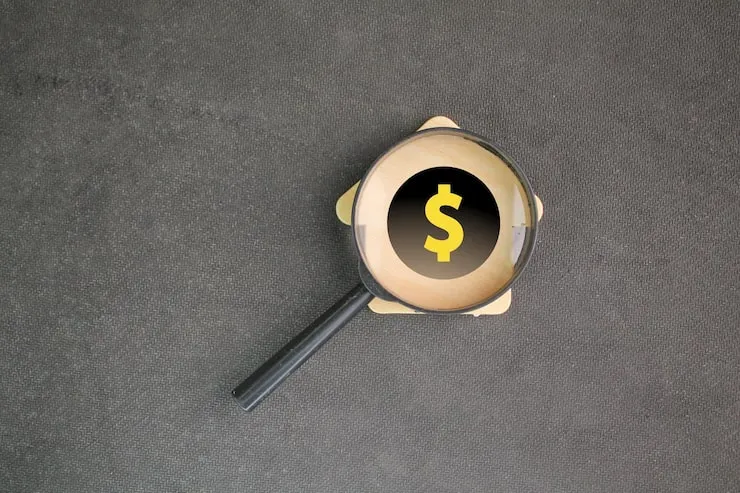
But here is a secret the ads do not always tell you: a low monthly payment is not the whole story. Focusing only on that one number can lead to surprise expenses later. Let us pull back the curtain and explore the hidden cost of low EMI loans.
Understanding these secrets is the key to becoming a smart and confident borrower.
The Allure of the Low EMI: Why It Feels So Good
First, let us talk about why low EMIs are so attractive. An EMI, or Equated Monthly Installment, is the fixed amount you pay the bank each month.
When that number is small, it feels easy to manage. It fits neatly into your monthly budget. You think, "I can easily afford this payment for my new scooter or home appliance."
This feeling is exactly what lenders want. They want the loan to feel painless. But to make the monthly payment small, they often make other changes. These changes are where the hidden expenses start to appear.
Guide to the Hidden Cost of Low EMI Loans
Think of a low EMI like a shiny red apple. It looks perfect from the outside. But you must check for worms inside before taking a bite. The true cost of borrowing is more than just your monthly payment.
The Long Road: Extended Loan Tenures
One common trick to get a low EMI is to stretch the loan for a very, very long time. Instead of paying for 3 years, you might pay for 5 or 7 years.
What’s the catch?
You pay interest for many more months. A lot more interest. Even with a low rate, time adds up. You might end up paying much more for the item than its original price.
For example, a loan stretched very long means you are paying interest for years. That new fridge could end up costing double!
The Interest Rate Mirage
Sometimes, a loan has a low EMI because the interest rate is high, but the term is long. This can be confusing.
You must always ask: "What is the annual interest rate?" Do not just look at the monthly amount. A slightly higher EMI for a shorter time at a lower interest rate can save you thousands.
This difference is a major part of loan affordability. A low monthly payment with high interest is a bad deal.
Uncovering More Hidden Loan Costs
The EMI is just one piece. Lenders might add other fees that boost the total amount you repay.
Fees They Don't Highlight Upfront
Before you even get the loan, you might pay:
-
Processing fees: A charge just for applying.
-
Administrative charges: Fees for the bank's paperwork.
-
Documentation fees: Costs for handling your file.
After you get the loan, watch for:
-
Late payment penalties: Huge fees if you miss your EMI date.
-
Foreclosure charges: A fee if you try to pay the loan off early! Yes, some banks charge you for giving them their money back sooner.
These are all additional financial charges that increase your total repayment amount.
The Insurance Link-Up
Often, banks will strongly "suggest" you buy loan insurance. They might say it is mandatory. This insurance protects the bank if something happens to you.
But this insurance adds to your cost. It might be rolled into your loan, meaning you pay interest on the insurance premium too! Always ask if it is optional and shop around for rates.
The Big Picture: Total Interest Paid
This is the most important number to find. Do not ask, "What is my EMI?" Ask, "What is the total amount I will pay back?"
Compare two loans:
-
Loan A: Low EMI of ₹2,500 for 7 years. Total repaid: ₹2,10,000.
-
Loan B: Higher EMI of ₹3,500 for 4 years. Total repaid: ₹1,68,000.
Even though Loan A's monthly payment is easier, you pay ₹42,000 more in the end. That is a significant long-term expense.
How to Be a Loan Detective: Your Action Plan
Do not worry! You can avoid these traps by being a smart borrower.
-
Demand the Amortization Schedule: This is a table that shows each EMI. It splits how much goes toward the loan amount and how much is interest. It reveals the true loan cost over time.
-
Calculate the Total Cost: Use online EMI calculators. Play with the numbers. See how changing the tenure changes the total interest.
-
Read Every Word: The fine print in loan agreements is where fees and charges hide. Read it carefully.
-
Ask Direct Questions: "Are there any pre-payment charges?" "What is the processing fee?" "Is insurance compulsory?"
Expert Insights on Borrowing Wisely
I have spoken to many financial advisors over the years. The advice is always the same.
-
Priya Sharma, a Certified Financial Planner, says: "A loan is a tool. Used wisely, it can help build your life. Used poorly, it builds debt. Always calculate the total interest outflow, not the monthly outflow. That is the mark of a mature borrower."
-
Rohit Mehta, a veteran banker, advises: "Customers should never be shy to negotiate fees. Ask for a lower processing fee. Ask for a better rate. Your financial health is worth that conversation."
FAQs About Loan Costs
Q1: Is a longer loan tenure always bad?
Not always. For very big loans like a home loan, a longer tenure can make sense. But for personal loans, cars, or gadgets, a shorter tenure usually saves you money.
Q2: What is the biggest hidden cost?
Paying more interest over a longer period. It is silent and slow, but it adds up to a huge amount.
Q3: How can I find the best loan deal?
Compare the total repayment amount from 2-3 banks. The lowest total cost is usually the best deal, even if the EMI is a bit higher.
Q4: Should I ever take a low EMI loan?
Yes, but only after you have done the math. If you understand all the costs and are comfortable with the total price, it can be okay. The problem is choosing it without knowing the full picture.
Final Thoughts: Borrow with Your Eyes Open
The goal is not to scare you away from loans. Loans are useful. They help us buy homes, get education, and handle emergencies.
The goal is to encourage informed financial decisions. Do not let a tempting low monthly payment distract you.
Look at the whole journey of the loan, not just the first step. Understand the long-term financial impact.
Remember, the cheapest loan is not the one with the smallest monthly payment. It is the loan that costs you the least amount of money in total. Be a detective, ask questions, and take control of your money.
Your future self will thank you for looking beyond the EMI and seeing the true cost of your loan.