Have you ever watched a Formula 1 car fly past and wondered, "How much does all this cost?" It’s a great question. The speed on the track is amazing, but the speed at which money gets spent is just as unbelievable. This guide will break down the finances of an F1 team, from shiny car parts to driver salaries, in a simple way.
Let’s look under the hood of an F1 team's bank account.
A Quick Look at the Huge Costs
Running an F1 team is one of the most expensive projects in all of sports. We are not talking about millions of dollars. We are talking about hundreds of millions. Each year, the top teams can spend over half a billion dollars to race. Even the smaller teams spend well over $100 million.
All that money goes to building the fastest, safest, and smartest car possible. It also pays the people who make the magic happen.
The F1 Team Financial Breakdown Guide: Major Spending Areas
Think of a team’s budget like a giant pie. Big slices go to a few key things. Here is a simple F1 team financial breakdown.
Making and Developing the Car
This is the biggest slice of the money pie. The car is not bought from a store. It is designed and built from scratch.
-
The Chassis and Aerodynamics: This is the car's main body. Making it light and strong is very costly. The most expensive part is the wind tunnel testing. Teams use giant fans and computers to test car shapes for better airflow. This is called aerodynamic research and development.
-
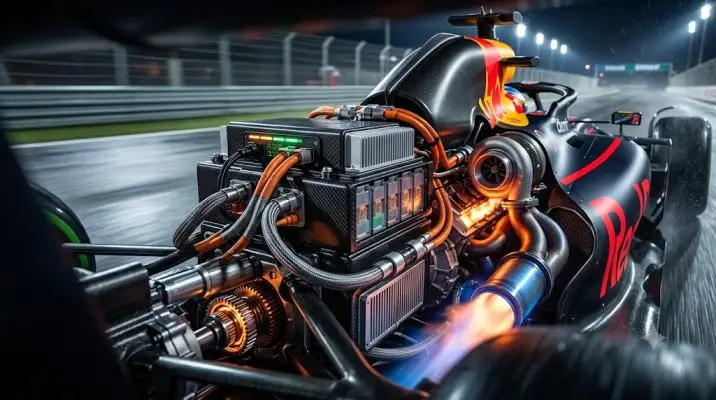
The Power Unit: This is the car's engine, but it’s much more. It is a super-complicated mix of engine, electric motors, and batteries. Building and improving it costs a fortune. For teams that buy their engines, like Red Bull, this is a major operational expenditure.
-
Materials and Manufacturing: F1 cars are made from special materials like carbon fiber. This material is light as plastic but strong as steel. Cutting and shaping it needs expensive machines and skilled workers.
Paying the People Who Make It Happen
An F1 team is not just two drivers. Hundreds of brilliant people work behind the scenes.
-
Driver Salaries: Star drivers like Lewis Hamilton or Max Verstappen earn tens of millions per year. They are the face of the team.
-
Engineering Talent: This includes race engineers, strategists, and designers. Their brains are key to winning. Paying this top talent is a huge part of the team's annual budget.
-
The Crew: The pit crew members are athletes. They practice changing tires thousands of times. They must be fast and perfect. Their training and salaries are another cost.
The Cost of Going Racing: A Grand Prix Weekend
The bills don’t stop at the factory. It costs a lot just to get to the track and compete.
-
Travel and Logistics: Moving 20 tons of equipment across the world is a military-style operation. They use planes, trucks, and boats. The logistics and freight costs for a season are massive.
-
On-Track Operations: At the track, the team uses expensive fuels, special tires, and spare parts for crashes. Every single part, from a tiny bolt to a front wing, is very expensive.
Where Does the Money Come From? Revenue Streams Explained
With such huge costs, where does the money come from? Teams have a few main ways to earn money.
Sponsorship and Partner Deals
This is the biggest source of income for most teams. Companies pay to have their logos on the car, driver suits, and garage. The bigger the spot, the more it costs. A title sponsor, like Oracle for Red Bull, pays over $100 million a year. These are crucial commercial partnerships.
Prize Money from F1
At the end of each season, the money F1 earns is shared with the teams. This is called the Concorde Agreement. How much a team gets depends on where they finish in the championship. The higher the finish, the bigger the share. This can be over $100 million for the champion team.
Pay Drivers and Investor Funding
Sometimes, a driver brings money to the team from their own sponsors. This helps the team's financial health. Some teams are also owned by big car companies, like Ferrari or Mercedes. These manufacturers provide a huge budget.
The Budget Cap: F1’s New Rule Book
A few years ago, the biggest teams could spend unlimited money. This made it hard for smaller teams to compete. So, F1 introduced a budget cap, or cost cap.
What is the Budget Cap?
It is a strict spending limit. For 2024, teams can only spend about $135 million on performance-related items. This includes the car, engineering, and most parts of racing.
What Does the Budget Cap Not Include?
Some big costs are not included in the cap. Driver salaries, the salaries of the top three executives, and marketing costs are exempt. This helps teams still pay their stars and promote themselves.
The Goal of the Financial Rules
The goal is financial fairness in Formula 1. It helps control team operational costs and makes racing closer. Now, smart thinking is just as important as a big wallet.
The Financial Difference: Top Teams vs. Smaller Teams
Even with the budget cap, there are still big differences.
A top team like Mercedes or Ferrari has more money from prizes and sponsors. They have huge, modern factories. A smaller team, like Haas or Williams, must be very clever with their smaller budget. They focus on being efficient. This is the economics of motorsport.
Why Understanding F1 Finance Makes Watching Better
Knowing about the money game makes F1 more interesting. You see a team’s strategy differently. You understand why a crash is so costly—it’s not just about points, but a broken part worth $200,000.
When a small team scores a point, it’s a huge financial win. It can mean millions more in prize money next year. This sustainable F1 business model struggle is a race within the race.
Expert Opinions on F1 Finance
Don’t just take our word for it. Experts see the big picture.
-
Christian Horner, Team Principal of Red Bull Racing, says: "The budget cap has completely changed how we operate. Every decision is now a cost-benefit analysis. It’s about being efficient, not just throwing money at a problem."
-
A financial reporter for Racing News notes: "The sponsorship landscape is shifting. Teams now look for true partners who work with them, not just companies who want a logo on the car. This is better for long-term stability."
FAQs About F1 Team Finances
How much does it cost to build an F1 car?
Building just one F1 car chassis can cost around $15-20 million. But that’s before you add the engine, electronics, or any spare parts!
What is the most expensive part on an F1 car?
The power unit (engine) is the single most expensive part. A single unit can cost over $10 million to develop and build.
How do smaller F1 teams survive?
They survive through smart spending, using older parts carefully, and often having at least one ‘pay driver’ who brings sponsorship. They also rely heavily on their share of the F1 prize money.
Does the budget cap work?
Yes, it has made the racing much closer. Mid-field teams can now fight for podiums. It forces all teams to be creative and smart with their money.
Can an F1 team make a profit?
It is very difficult. Most teams pour all their money back into development. The main goal is to win, not to make a profit. Some teams, however, are becoming more financially stable under the new rules.
The Final Lap
Understanding the F1 team financial breakdown adds a whole new layer to the sport. It’s a world of high-speed spending, smart budget tricks, and finding every possible advantage. The next time you watch a race, you’ll see more than just fast cars. You’ll see a thrilling battle of engineering, skill, and financial strategy all happening at 200 miles per hour.
The race for financial efficiency is now as important as the race for the checkered flag.