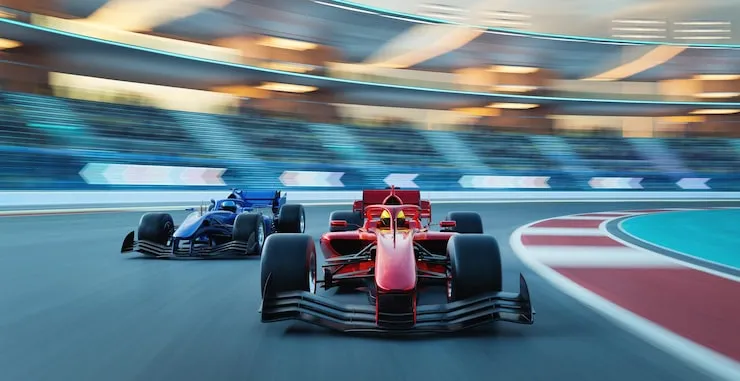
The roar of engines, the smell of fuel, and the quest for speed began in 1950. The Formula 1 World Championship started its journey. Before this, races happened, but they were not part of an organized world title. The first season was a mix of excitement, new technology, and brave drivers. This guide explores the key moments and stories from that historic year.
Let's get into the highlights of the first-ever F1 season and see how it all began.
Setting the Stage for a Global Sport
In the years after World War II, Europe wanted joy and competition. Car makers and race teams were eager to show their skills. The Fédération Internationale de l'Automobile (FIA) created a new set of rules, or "formula," for race cars. They decided to link several existing Grand Prix races into one championship.
The inaugural championship calendar had seven races, called Grands Prix. They were held in famous places like Silverstone in England and Monaco. Points were given to the top finishers. The driver with the most points at the end would be the World Champion. This system is still used today, which shows how well they planned it from the start.
The Cars and Technology of 1950
The race cars in 1950 were very different from today's modern machines. They had front-engine layouts, not the rear-engine designs we see now. The tires were skinny, and there were no fancy wings to push the car down on the track.
Safety was very basic. Drivers wore simple helmets and leather jackets. The cars were made of aluminum and steel. Alfa Romeo had the best car that year. Their Alfa Romeo 158, nicknamed the "Alfetta," was incredibly fast and reliable. It was the car to beat.
Inaugural Formula 1 Season Highlights Guide: The Championship Fight
The 1950 season quickly became a battle between teammates from Italy.
Giuseppe "Nino" Farina and Juan Manuel Fangio were the stars of the Alfa Romeo team. Farina was a precise and smooth driver. Fangio, from Argentina, was known for his incredible car control and speed. Their competition made every race thrilling.
The first-ever World Championship Grand Prix was the British Grand Prix at Silverstone. King George VI was there to watch. Nino Farina won that historic race. It was a perfect start for Alfa Romeo and for the new championship.
Memorable Moments from the First F1 Season
Beyond the championship fight, the season was full of unforgettable stories.
The 1950 Monaco Grand Prix was especially dramatic. The streets of Monaco are narrow and tricky. Juan Manuel Fangio showed his genius there. He drove a masterful race to win, proving he was a special talent.
Another big moment was the Indianapolis 500. Back then, it was part of the F1 championship. An American driver named Johnnie Parsons won it. This showed that Formula 1 wanted to be a true global racing series from the very beginning.
The 1950 Italian Grand Prix was the final race. It decided the title. Farina and Fangio were close in points. Farina won the race and, with it, became the first Formula 1 World Champion. It was a huge achievement.
The People Who Made History
The drivers were true heroes. They faced great danger for the love of racing.
-
Nino Farina (Champion): A stylish driver who loved art and speed. Winning the first title made him a legend.
-
Juan Manuel Fangio (Runner-Up): He showed his amazing skill this season. He would later win five world titles, becoming one of the greatest ever.
-
Luigi Fagioli: Another Alfa Romeo driver. He helped his teammates and scored important points, showing the value of a strong team.
Teams were much smaller then. The Alfa Romeo Corse team, led by hardworking mechanics, dominated the season. Their preparation and skill set a high standard for all future teams.
Why the 1950 Season Still Matters Today
The first season created a blueprint for everything that followed. It established core ideas that are still central to F1.
It created the dream of winning a World Driver's Championship. It proved that racing could be a team sport, where builders and drivers work together. The season also mixed European racing tradition with new ideas from America. This global vision shaped the sport's future.
Every champion, from Lewis Hamilton to Max Verstappen, follows a path that started in 1950. The legacy of the inaugural season is alive in every modern Grand Prix.
FAQs About the First Formula 1 Season
How many races were in the first F1 season?
There were seven races: six in Europe and the Indianapolis 500 in the USA.
Who was the first Formula 1 world champion?
Giuseppe "Nino" Farina of Italy, driving for Alfa Romeo.
What was the most powerful car in 1950?
The Alfa Romeo 158 was the fastest and most successful. Its supercharged engine was very advanced for its time.
Was safety a big concern in 1950?
Safety was not like it is today. People understood the risks, but driver safety gear and track protections were very simple. The bravery of those drivers was extraordinary.
How is the 1950 season remembered by experts?
Historians see it as the essential beginning. It transformed grand prix racing into an official, organized world championship that could capture global attention.
Expert Opinions on the 1950 Season
"The 1950 season was the foundation stone," says David Tremayne, a respected motor racing historian. "It took the existing races and gave them a purpose—a world title. That simple idea created the entire drama of Formula 1."
"A driver like Fangio emerged immediately," notes technical expert Peter Windsor. "It showed that even in that first year, the championship could attract and reveal true genius. The battle between Farina and Fangio set a competitive standard that defines F1 to this day."
Final Thoughts on a Historic Year
Looking back at the inaugural Formula 1 season highlights is like opening a history book full of speed and courage. It wasn't just about who won or lost. It was about starting something big.
That first season gave us heroes, amazing races, and a new sport. The sounds and feelings from 1950 started a story that continues every race weekend. The first chapter of Formula 1 history was brilliantly written, and we are still reading its exciting story today.