Have you ever watched a race car fly past and wondered how it goes so fast? It looks like magic, but it’s really science, skill, and smart choices. Winning in motorsport isn’t just about pushing the gas pedal. It’s a giant puzzle where every piece must fit perfectly. Let’s explore the main pieces of that puzzle—the motorsport performance factors.
This guide will break down everything that makes a car quick and a driver a champion. We’ll look at the machine, the person driving it, and the plan behind the win.
The Ultimate Motorsport Performance Factors Guide: It Starts With The Car
The race car is the star of the show. Engineers spend thousands of hours building and tuning it. A fast car is a happy balance of many parts working together.
Engine Power and Torque Output: The Heartbeat
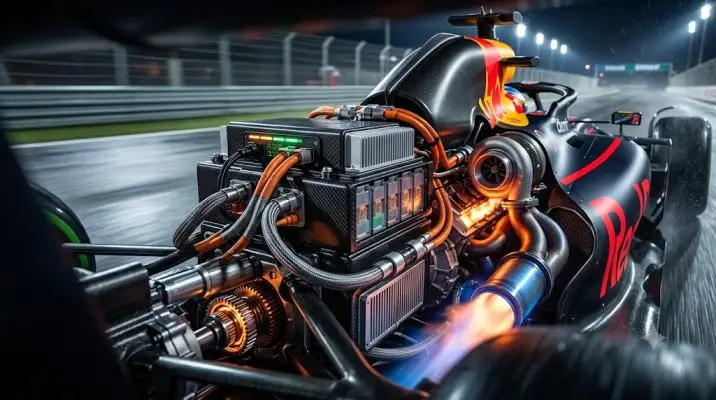
The engine is like the car’s heart. Horsepower and torque tell us how strong that heart is. Horsepower is about top speed—how fast the car can ultimately go. Torque is about pulling power—how quickly it can accelerate out of a slow corner. A great engine has a strong balance of both. Keeping the engine cool and running smoothly, called engine reliability, is just as important. The fastest car doesn’t win if it breaks down!
Aerodynamic Downforce and Drag: The Invisible Hand
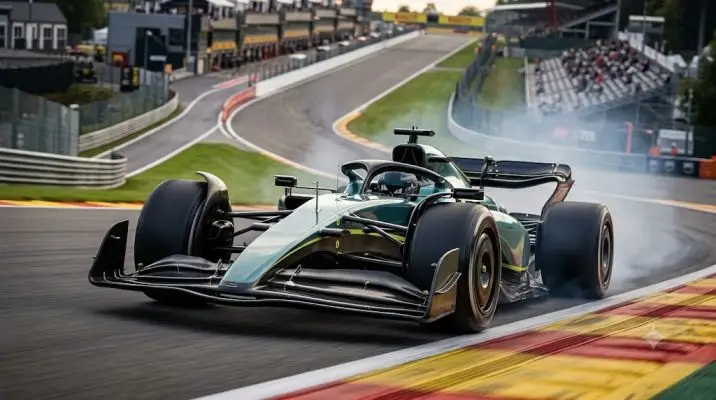
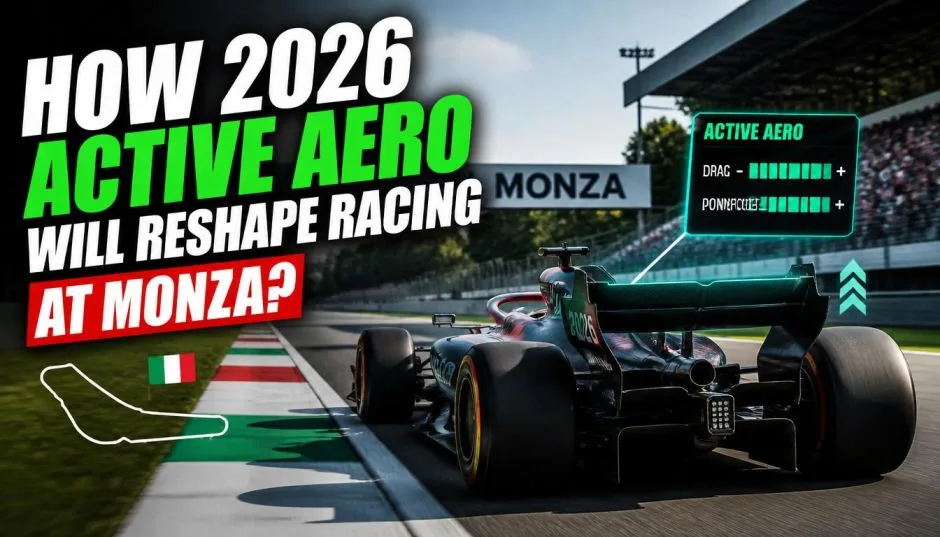
At high speed, air becomes a powerful force. Aerodynamics is the science of shaping a car to use that air. Downforce is like an invisible hand pushing the car onto the track. More downforce means better grip in corners. Drag is the air’s resistance, which tries to slow the car down on straights. Teams are always finding the optimal aerodynamics balance: enough downforce to corner, but not so much drag that they lose top speed.
Chassis Setup and Vehicle Dynamics: Finding the Sweet Spot
How a car handles comes from its chassis setup. This includes the suspension tuning, brakes, and tires. Engineers adjust the spring rates and damping to control how the car leans and bounces. The goal is perfect vehicle dynamics: a car that feels stable, predictable, and responsive to the driver’s every move. A good setup makes the driver confident to push harder.
Tire Grip and Temperature Management: Where Rubber Meets Road
Tires are the only part of the car that touches the track. Their grip level is everything. Tire compounds come in different softness levels. Softer tires have more grip but wear out faster. Managing tire temperature and pressure is a constant battle. Too cold, and they’re slippery. Too hot, and they wear out in seconds. The team that best manages tire degradation often wins the race.
The Human Motorsport Performance Factors Guide
A perfect car is useless without the right person to control it. The driver is a high-performance athlete.
Driver Skill and Reaction Time: The Brain of the Operation
Natural talent is just the start. Car control and precision are learned through years of practice. A driver must feel what the car is doing through the seat of their pants. Reaction time is critical—whether it’s the start lights going out or avoiding a crash. The best drivers also have incredible racecraft and overtaking ability. They know exactly when to make a daring pass.
Physical Fitness and Mental Focus: The Driver’s Strength
Racing is exhausting! Drivers need tremendous physical endurance to fight extreme G-forces and heat for hours. Mental stamina and concentration are even more vital. One lost second of focus can mean hitting a wall. They must stay calm under pressure and make perfect decisions while tired and surrounded by noise and danger.
The Strategy: Planning to Win
Racing is also a game of chess at 200 miles per hour. The team’s strategy can decide the race.
Race Strategy and Pit Stop Efficiency: The Clock is Ticking
Before the race even starts, teams make a fuel load and stint length plan. They decide when to make pit stops for tires and fuel. A perfect pit stop takes less than two seconds! Poor pit stop execution can lose a race. Teams also must adapt their strategy for weather changes or safety cars.
Data Analysis and Telemetry: The Secret Language
Modern race cars have hundreds of sensors. They send live performance data and telemetry to the engineers. This data shows everything from brake temperature to fuel flow. Engineers use this for real-time strategy adjustments and to find tiny areas where the driver can save a tenth of a second per lap. It’s a constant conversation between the car, driver, and team.
Team Coordination and Communication: One Unit
The driver is not alone. A top team works like a single organism. The race engineer and driver communication must be clear and instant. The pit crew must perform flawless stops. Everyone, from the strategist to the mechanic, must work together perfectly. Good team dynamics create wins; poor communication causes mistakes.
Putting It All Together
The magic happens when all these motorsport performance factors sync up. A perfectly tuned car, a sharp and fit driver, and a clever strategy must come together on race day. It’s why motorsport is so thrilling. It’s not just one thing; it’s the beautiful combination of machine, human, and mind.
As one famous race engineer once told me, “Speed is easy. Consistent, winning speed is the hard part. It’s the sum of ten thousand perfect details.” This is what teams chase every single weekend.
FAQs: Your Motorsport Performance Questions Answered
Q: What is the single most important motorsport performance factor?
A: There isn’t one! It’s the combination. A superstar driver can’t win in a slow car. A perfect car is useless with poor strategy. The best teams excel in all areas: car, driver, and strategy.
Q: Why do teams sometimes choose slower tires?
A: Tire life! A harder tire compound might have less grip, but it lasts much longer. On a track that is tough on tires, using a harder, more durable tire might mean one less pit stop, which can save more time overall.
Q: How do drivers stay focused for such long races?
A: It’s intense training, both physical and mental. They practice focus exercises, have very specific in-car routines, and break the race into small segments in their mind. They also trust their team to help manage the big picture.
Q: What does ‘oversteer’ and ‘understeer’ mean?
A: These are terms for how a car handles in a corner. Understeer is when the front tires lose grip first, and the car wants to go straight instead of turning. Oversteer is when the rear tires lose grip first, and the back of the car wants to slide out. Drivers manage these feelings every corner.
Q: Can a faster car lose because of strategy?
A: Absolutely! History is full of races where the fastest car did not win. A bad pit stop call, getting stuck in traffic, or poor tire choice can let a slower car with a better strategy take the victory.