Have you ever watched a Formula One race and wondered how the tracks are built? The cars get all the attention, but the track is just as important. It is not just a road. It is a high-tech playground built for speed and safety. Let's explore the incredible world of Formula One track technology.
The Ultimate Formula One Track Technology Guide
Think of a Formula One track like a giant puzzle. Every piece must fit perfectly. Engineers use amazing science to design these puzzles. They must think about speed, safety, and even the weather. This guide will show you how it all works.
How Tracks Are Designed for Super Speed
The first step is the design. This happens on powerful computers long before any ground is broken. Designers use special software to create the track layout. They plan every straight and every turn.
The goal is to create a "flow." This means the track should feel smooth for the driver. A good flow allows for exciting racing and chances to pass other cars. Designers also think about the "grade," or how steep the track is. Some tracks have big hills and drops to make the race more challenging.
Building a Super-Strong Surface: More Than Just Asphalt
The surface of a track is called "asphalt," but it is not like a normal road. F1 track asphalt is a special mix. It needs to be very flat and very strong. Cars push down with incredible force, especially when they brake and turn.
The asphalt must also provide "grip." Grip is the friction between the tire and the road. More grip means the car can go faster around corners. Engineers test different asphalt mixes to find the perfect one. They want a surface that wears the tires just the right amount.
The Secret World Under the Track: Drainage and Foundations
What is under the track is just as important as what is on top. A great foundation stops the track from cracking. The ground must be very stable.
Track drainage systems are another key piece of technology. When it rains, water needs to disappear fast. Pipes and slopes under the surface channel water away. This helps prevent big puddles, called "standing water," which are very dangerous at high speed.
Staying Safe: Advanced F1 safety features
Safety is the most important part of any track. Modern F1 circuit safety has come a long way. Here are some key parts:
-
Run-off Areas: These are wide spaces filled with special gravel or super-grippy pavement at the edge of the track. If a car goes off, these areas help it slow down safely.
-
Barriers and Crash Fencing: Not all walls are concrete. Many are now made of high-tech materials that absorb energy. This reduces the force of a crash. Strong fencing catches debris and keeps it away from fans.
-
The SAFER Barrier: This is a famous wall technology used on ovals. It has steel tubes that bend in a crash, soaking up energy like a sponge.
-
Gradual Bank Angles: In corners, the track is often tilted. This "banking" helps cars turn at high speed by using physics to push the car toward the center of the curve.
Seeing the Race: F1 spectator viewing areas
Tracks are built for fans, too! Designers carefully plan where to put grandstands. They use computer models to make sure fans get a great view of the action. Screens are placed so everyone can follow the race timing and replays. Good tracks feel close to the cars, making the experience loud and exciting.
A Deep Dive into the Formula One Track Technology Guide
Let's look closer at two more pieces of the technology puzzle.
Race track surface materials: What Makes the Grip?
The quest for the perfect surface never ends. The asphalt mixture includes different sizes of stones and a special sticky binder. The surface is then ground by machines to be perfectly smooth. Sometimes, tracks are even laser-scanned to check for tiny bumps! The right surface manages tire wear and provides consistent grip throughout a race.
Circuit design and elevation changes
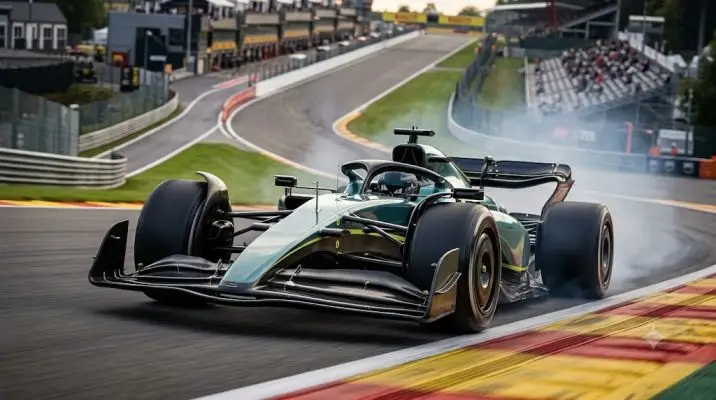
A flat track can be boring. Elevation changes—hills and dips—make a track special. Going up a hill challenges the engine. Speeding down a hill tests the brakes. A sudden dip can make a car feel light. Famous tracks like Spa in Belgium have huge elevation changes. This makes driving them a real thrill and a big challenge.
Technology You Can't See: The Hidden Systems
F1 track drainage systems in Action
During a heavy rainstorm, a good drainage system can move thousands of gallons of water per minute. The track is built with a slight "crown" or slope from the center to the edges. Water flows to the side, into grates, and through a network of large pipes. This system is why races can often continue safely in the rain.
Keeping Time: Precision F1 timing systems
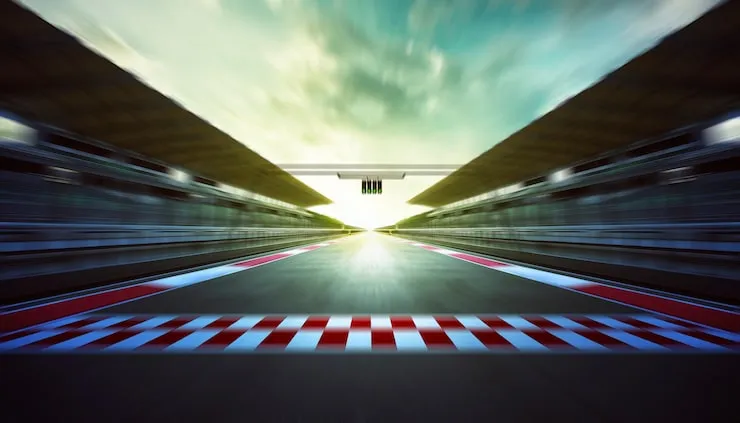
How do we know who is winning? With incredibly accurate timing! At the start/finish line, and often at other points, there is a "timing loop" buried in the track. It is a wire that acts like an antenna. A transponder on each car sends a unique signal as it crosses the loop. This is recorded to a thousandth of a second! This precision F1 timing data is what gives us live lap times and speeds.
Expert Opinions on Track Tech
Real track designers emphasize how complex the job is.
"Designing a Formula One circuit is a balancing act," says a veteran circuit engineer. "You must create a challenge that rewards driver skill, allows for safe racing, and provides a great show for the fans. Every curve and kerb is there for a reason."
"The surface is our canvas," adds an asphalt specialist. "We work with teams to understand the tires. Our goal is a consistent grip level that leads to fair and exciting competition, rain or shine."
Frequently Asked Questions
Why are some tracks bumpy and some are smooth?
Over time, the ground under a track can shift slightly with weather and temperature. Also, different countries use different materials. A super-smooth track often has newer asphalt or has been recently resurfaced.
What is the white paint on the edge of the track?
Those lines are part of the track limits and enforcement technology. They have special sensors. If a driver goes over the line with all four tires, the sensors tell the race officials. This helps make sure every driver follows the same rules.
How do they dry a track so quickly after rain?
Sometimes, they use giant jet dryers—big heaters on trucks that blow hot air. At some tracks, they have even experimented with vacuum trucks that suck water right off the surface!
Why are there different colors of asphalt sometimes?
You might see dark black patches next to lighter gray asphalt. These are often "repairs" or "seams." When a part of the track is fixed, the new asphalt mix might be a slightly different color. It usually becomes the same color after some sun and rain.
What makes a track "good" for racing?
Most experts agree a good track has a mix of long straights (for passing), challenging high-speed corners, and a few slower, technical sections. It should test all parts of the car: engine, brakes, and aerodynamics. Most of all, it should give drivers a chance to race each other wheel-to-wheel.
The Finish Line
Formula One track technology is a fascinating mix of big machines and tiny details. From the special asphalt under the tires to the hidden drains below, every part is engineered for peak performance and safety. The next time you watch a race, look beyond the cars. Think about the incredible science of the track itself—the stage where the drama of Formula One comes to life. It truly is a masterpiece of modern engineering.