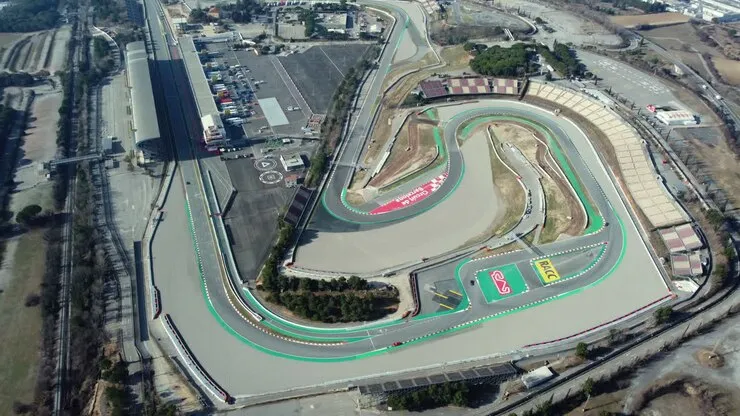
Have you ever wondered how a Formula One track is created? It’s not just about drawing a cool shape on a map. Designing a race track is a huge project. It mixes science, art, and safety. This guide will explain how these amazing circuits come to life.
We will explore everything from the first sketch to the final layer of asphalt. We will look at what makes a track exciting for drivers and fans. Let’s dive into the world of F1 track architecture.
The Blueprint: Where Formula One Circuit Design Begins
Every great track starts with an idea. The goal is to create a challenging race track that tests the best drivers in the world.
First, designers choose a location. They think about the land. Is it hilly or flat? They look at the soil and the weather. Then, they draw the first layout. This layout must follow strict rules from the FIA, the group that governs Formula One.
The track needs a good mix of corners. There should be slow, medium, and high-speed turns. Long straights are important for overtaking. The design must also think about the fans. Where will they sit? How will they see the action?
The first drawing is just the beginning. It gets changed many, many times.
More Than Just Turns: The Science of Speed and Safety
A track is a giant safety machine. Racing circuit engineering is all about protecting drivers at 200 miles per hour.
One key part is the run-off area. This is the wide, paved space around the track. If a car skids off, the run-off area gives the driver space to slow down safely. Gravel traps and special, high-grip asphalt are often used here.
Another crucial element is barrier placement. Walls of tough, energy-absorbing material line the track. They are placed at just the right angles to soften the impact if a car hits them.
Designers also plan for elevation changes. A track with hills and dips is more exciting. It also makes the driver’s skill even more important. Going up a hill blind to a sharp corner is a huge challenge!
The Formula One Circuit Design Guide to Corners and Straights
Let’s talk about the "ribbon" itself—the track surface. Every curve has a purpose.
-
The Fast Corner: These sweeping turns let cars keep their speed. They test the car's aerodynamic grip. A famous example is Copse Corner at Silverstone.
-
The Hairpin Turn: This is a very slow, tight corner. It forces drivers to brake hard. It is a great spot for overtaking opportunities. Think of the famous hairpin in Monaco.
-
The Chicane: This is a quick left-right (or right-left) sequence. It slows cars down, usually for safety reasons. It also challenges the car's mechanical grip and balance.
-
The Long Straight: This is where drivers can relax for a second—and then hit top speed! Long straights are essential for setting up a pass. They are key for race strategy, like using DRS to slingshot past another car.
A great track layout balances all these features. It creates a natural rhythm for the drivers.
From Dirt to Pavement: Building the Track
Once the design is final, the construction begins. This is a massive job.
First, workers move the earth. They flatten hills and fill in valleys to create the perfect track surface. Then, they build the foundation. This is several layers of crushed rock and concrete. It must be super strong to handle the heavy cars.
Next comes the asphalt. This isn’t like driveway asphalt. Race track asphalt is special. It’s made with specific stones and oil. This creates the right amount of grip. The surface must be perfectly smooth and level.
At the same time, crews install miles of fences, safety barriers, and grandstands. They also build the pits and paddock area, where the teams work.
The Final Test: How a Track Gets Its License
Before any race, the FIA must give the track a license. Inspectors visit the new circuit.
They check every detail. Is the run-off area big enough? Are the barriers safe? They even drive around the track to feel the surface. They look for bumps or drainage problems.
The track must also have a top-notch medical and marshal post. Marshals are the flag-wavers and first responders. They need clear views and quick access to the track.
Only when the FIA says "yes" can the Formula One cars finally arrive.
Classic vs. Modern: Two Ways to Design a Track
There are two main types of F1 circuits, and they feel very different.
Classic Street Circuits are built on city streets. Monaco is the most famous. These tracks are narrow and bumpy. There is no room for error. Overtaking is difficult, so qualifying position is super important. They offer amazing views of famous landmarks.
Modern Custom-Built Tracks are built just for racing. Tracks like COTA in the USA or Bahrain have lots of space. They feature big run-off areas and modern facilities. Designers use all the latest knowledge to create exciting overtaking zones. These tracks are often more fun for wheel-to-wheel racing.
Both types are thrilling in their own way!
FAQs About Formula One Circuit Design
Q: How long does it take to design and build an F1 track?
A: The entire process, from the first idea to the first race, can take many years. It is a huge project, like building a small town.
Q: Who is the most famous F1 track designer?
A: A man named Hermann Tilke is the most well-known. His company has designed most of the new tracks on the F1 calendar, like Sepang and Istanbul Park. He focuses on creating exciting layouts with good overtaking spots.
Q: What's the most important part of a track design?
A: Safety is always the number one priority. After that, designers focus on creating a challenging and fun layout that will produce great racing for the fans.
Q: Do drivers help design tracks?
A: Sometimes! Experienced drivers are often asked for their opinion. They can explain how a corner will feel at high speed. Their feedback on corner sequencing and braking zones is very valuable.
Expert Opinions on Track Design
Great tracks create great stories. Here’s what the experts say:
A famous F1 race engineer once noted, "A perfect track challenges every part of the car. It needs corners that test the engine, the brakes, the aerodynamics, and the tires all in one lap."
A well-known motorsport safety official emphasized, "Our job is to imagine every possible crash. The design must protect the driver in all scenarios. The barrier placement and run-off area are never an afterthought; they are the first thought."
The Finish Line
Designing a Formula One circuit is an incredible task. It blends imagination with hard engineering. The next time you watch a race, look closely at the track. See the slow hairpins, the fast sweeps, and the wide safety areas. Each one was put there for a reason.
The best tracks become legendary. They test the world's best drivers and give fans unforgettable moments. That’s the magic of great Formula One circuit design.