Ever watch a Formula 1 race and wonder why cars look unbeatable one weekend and struggle the next? The answer isn't just about the engine or the driver. It's about the stage they perform on: the track itself. Every circuit is a unique puzzle, and teams must solve it to find the ultimate speed. This is the world of F1 track performance limits.
Think of a track like a giant, challenging video game level. Each one has different corners, different straights, and even different bumps. A car setup that wins in Monaco will fail in Monza. Finding the perfect balance is the key to victory. Let's explore what makes each track a special test of speed and strategy.
Your Guide to Understanding F1 Track Performance Limits
What does "track performance limits" really mean? Simply put, it's the maximum speed a car can achieve on a specific circuit. But this maximum isn't one number. It's a collection of compromises.
A track doesn't have one limit; it has many. There's the limit of the engine on the straights. There's the limit of the brakes before a tight corner. There's the limit of the tires through long, fast bends. The team's job is to push the car to all these edges without going over. Going over means a spin, a crash, or just being slow.
The goal is to make the car dance right on the edge of its abilities for every single meter of the track.
Pushing the Car to Its Absolute Maximum on Race Day
On Sunday, it looks easy. But reaching that point takes hundreds of hours of work. Engineers use supercomputers to simulate every bump and corner. They ask: How low can we make the car without it scraping? How soft can the tires be before they wear out? This hunt for the ultimate track performance is a never-ending science project.
It's about finding the performance ceiling of an F1 car at that very location, on that specific weekend, with that day's weather.
How Circuit Design Dictates F1 Car Potential
A track's design is like a recipe for speed. The ingredients are its corners and straights.
-
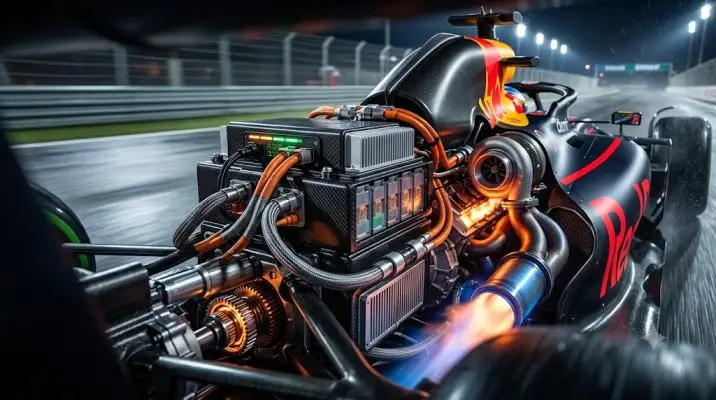
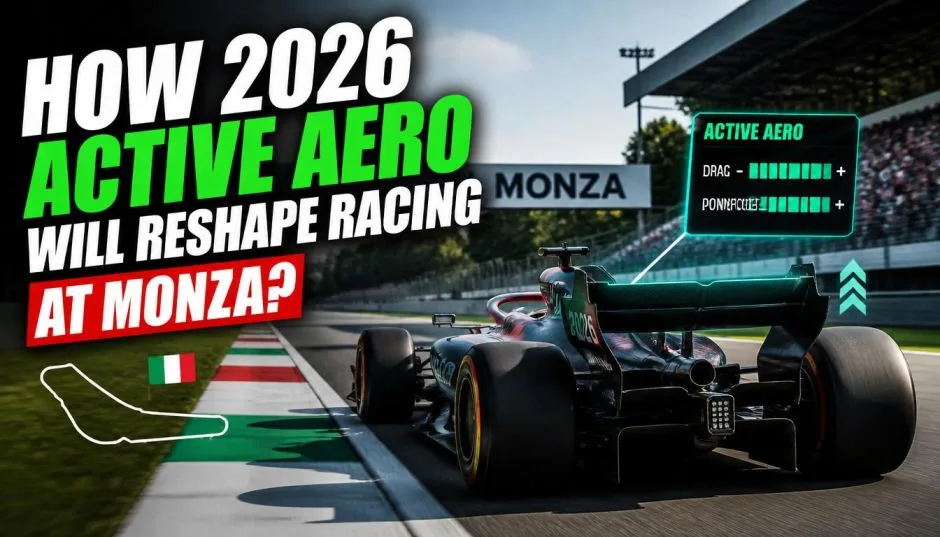
Long Straights: Tracks like Monza in Italy are "power circuits." They need less downforce (the grip that pushes the car down). Cars use skinny rear wings to slice through the air like a bullet. The engine's horsepower capability is the key limit here.
-
Tight Corners: Streets like Monaco or Singapore are "downforce circuits." Cars need massive wings for grip in slow, twisty sections. Top speed on the one short straight is less important. The aerodynamic grip limits are tested the most.
-
Mixed Circuits: Tracks like Silverstone in the UK have it all. They demand the perfect balance for mixed sectors. Teams must find a middle setup. This is often the biggest challenge.
The Ultimate F1 Track Breakdown: Where Speed is Made and Lost
Let's break down a lap to see where teams find—or lose—precious milliseconds.
Hitting the Top Speed Thresholds on F1 Circuits
The straight is where you feel the raw power. But reaching a high top speed isn't just about horsepower. It's about how quickly you get there.
Exit speed from the previous corner is everything. A great exit onto a straight is like a slingshot. A poor exit means the car is playing catch-up for the entire straight. Teams obsess over achieving maximum straight-line velocity. They study data to find the perfect point to get back on the throttle.
Mastering the Cornering Speed Envelope
This is the heart of F1 track performance limits. The "envelope" is the invisible line between ultimate grip and losing control.
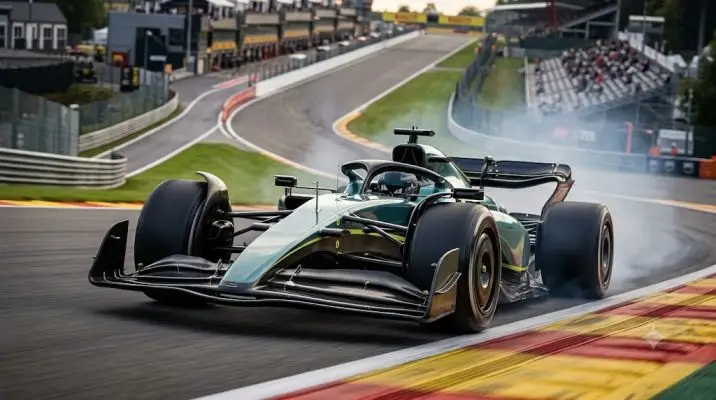
Drivers talk about "the edge." Hitting the maximum apex speed in F1 means braking at the very last millisecond, turning in perfectly, and clipping the inside point of the corner (the apex) at the highest possible speed. Go 1 km/h too fast, and the car slides wide. Be 1 km/h too slow, and you lose time.
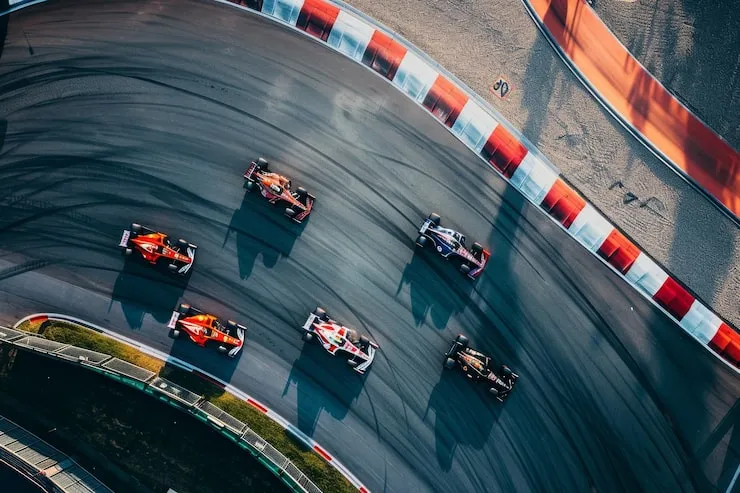
Different corners test different things. Fast, long corners test the car's high-speed downforce capabilities. Slow, hairpin corners test mechanical grip and traction.
The Critical Role of Braking Zone Efficiency
Before you can go fast, you have to slow down. Braking zones are where races are often won.
It's not just about stopping power. It's about stability. The car must stay perfectly flat and straight so the driver can brake later and harder. Teams work on optimal brake bias—the balance of braking force between front and rear wheels. Get it wrong, and the wheels can lock up, causing a slide.
The best drivers brake so late it seems impossible. They are finding the very threshold of braking capability for their car on that track.
F1 Car Setup Secrets for Every Track Type
You can't use the same tool for every job. Here’s how the car changes.
-
Wings: High downforce tracks get big, curved wings. Low downforce tracks get small, flat wings.
-
Suspension: Bumpy tracks need softer suspension for grip. Smooth tracks use stiffer suspension for stability.
-
Tires: The choice between Soft, Medium, and Hard compounds is a huge strategic decision. Softer tires are faster but wear out quickly.
Finding this setup sweet spot is an art. As one famous race engineer once said:
"The car is a living thing. We don't just build it on Thursday; we help it evolve all weekend to match the track's personality."
The Track Surface and Grip Level Challenge
Not all asphalt is created equal. The track's surface is a huge factor in the F1 track performance limits.
-
Abrasive Surfaces: Rough asphalt eats tires but can offer more grip. Teams must manage tire degradation rates.
-
Smooth Surfaces: Slippery asphalt is kinder to tires but can make the car feel like it's driving on ice.
-
Tarmac Evolution: A clean track on Friday is slow. As more rubber gets laid down from the tires, a "racing line" of grip appears. This change is called track evolution, and it changes the car's limits every session.
Weather's Impact on F1 Limits: When the Track Changes
Rain is the great equalizer. It completely rewrites the F1 track performance limits.
A dry track has a clear limit. A wet track's limit is invisible and constantly changing. Puddles, called "standing water," can cause aquaplaning—where the car floats on top of the water and loses all control.
Drivers in the rain are not driving at 100% of the car's limit. They are driving at 100% of the track's limit, which is much, much lower. It becomes a test of feel, patience, and courage.
FAQs: Your F1 Track Performance Limits Questions Answered
Q: What is the single biggest factor that limits an F1 car's speed on a track?
A: There's no single factor. It's the combination of the track's layout and the team's ability to set up the car for it. A car limited by drag on a straight track is useless on a twisty track, and vice-versa.
Q: Why can't teams just build a car that's good at everything?
A: Because of the fundamental rules of physics. A car designed for high downforce (great for corners) creates a lot of drag, which makes it slow on straights. A car designed for low drag (great for straights) won't have enough grip in corners. Teams must choose a basic design direction and then adjust it for each track.
Q: How do drivers learn the limits of a new track?
A: They start slow and build up. They use simulator practice, study onboard videos, and then gradually push harder during practice sessions. They listen to the car's sounds and feel its vibrations through the steering wheel to find the edge.
Q: What does "oversteer" and "understeer" have to do with track limits?
A: Everything! These terms describe a car losing grip. Oversteer (the rear slides) or understeer (the front slides) means the driver has reached the car's traction limits for that corner. The setup is designed to make this loss of grip predictable and manageable for the driver.
Conclusion: The Never-Ending Hunt for Lap Time
Understanding F1 track performance limits shows that racing is more than just going fast. It's a complex battle of engineering, strategy, and driver skill against the unique challenge of each circuit.
Every track tells a different story. Some are tests of bravery, others of precision. The best teams and drivers are the ones who can listen to what the track is asking for and deliver the perfect answer, lap after lap. They are the masters of finding the edge, and that's what makes Formula 1 the pinnacle of motorsport.