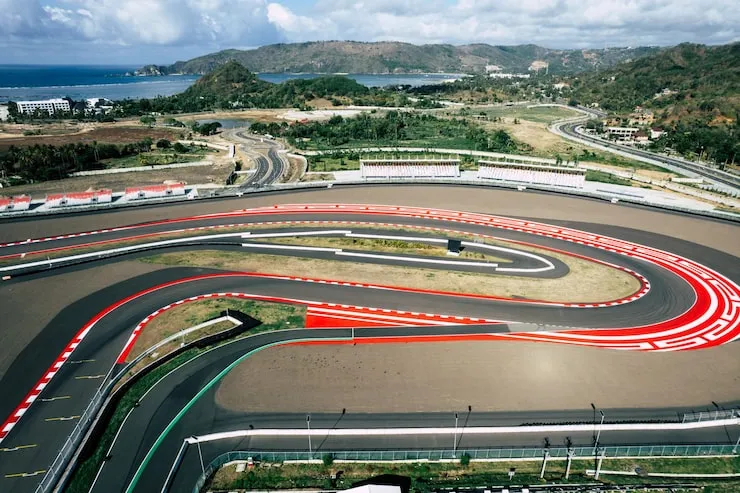
Have you ever wondered what it takes to bring the thrilling spectacle of a Formula 1 race to a city? The roar of the engines and the cheer of the crowd are just the final result. A huge amount of work and negotiation happens behind the scenes long before any car hits the track. A central part of this process involves something called F1 track licensing fees.
Think of it like this: if you want to open a famous restaurant franchise, you pay a fee to use its name, recipes, and brand. It’s similar for a circuit that wants to host an F1 race. They pay a fee to Formula One Management for the right to hold a Grand Prix. This payment is a key part of the financial structure of Formula 1 and is often called the race hosting fee.
This guide will explain everything about F1 track licensing fees. We will explore how much they cost, who pays them, and why they are so important for the sport.
The Ultimate Guide to F1 Track Licensing Fees
So, what exactly are we talking about? The F1 track licensing fees are an annual payment made by the race promoter to the commercial rights holder of Formula 1. This fee grants the circuit the official license to host a Formula 1 World Championship Grand Prix for that year.
It’s not just a payment for a single event. It’s a license to be part of the most prestigious motorsport series in the world. This fee is separate from the massive costs of building or upgrading the circuit itself, which can run into hundreds of millions of dollars. The licensing fee is purely for the right to stage the race.
What Do Licensing Fees Actually Pay For?
Paying the Formula 1 race hosting cost is like buying a ticket to an exclusive club. The fee provides the promoter with several key things:
-
The F1 Brand: They get to use the powerful Formula 1 logo and name.
-
The Show: They receive the entire F1 "package"—the teams, the drivers, the broadcast production, and the global attention.
-
Commercial Rights: They can sell tickets, local sponsorship, and hospitality packages for their event.
-
Global Exposure: Their city is showcased to hundreds of millions of fans worldwide.
Without paying this fee, a track simply cannot be on the official F1 calendar. It is the fundamental agreement that makes a Grand Prix possible.
Breaking Down the Cost: How Much Are F1 Fees?
This is the big question. The amount of F1 track licensing fees is not public and varies greatly from race to race. It is a private contract between Formula One Management and each race promoter. However, industry reports and financial disclosures give us a clear range.
Typically, a standard Grand Prix hosting agreement now costs between $40 million and $70 million per year. Iconic, long-running events might pay slightly less due to historical value, while new destinations eager to join the calendar often pay a premium. Races in the Middle East and new locations in the United States are known to have some of the highest fees.
These fees have increased significantly over the last decade as F1's global popularity has soared. A race promoter financial model must account for this as its single largest expense.
The Factors That Influence F1 Hosting Fees
Why does one race pay more than another? Several factors determine the final price tag:
-
Location and Prestige: Historic races like Monaco or Monza have special status. New races in major global cities (like Las Vegas or Miami) pay top dollar for the spotlight.
-
Contract Length: Signing a longer-term deal (e.g., 10 years) might secure a slightly better annual rate than a short 3-year contract.
-
Government Support: Many races are funded partly by local or national governments to boost tourism. A promoter with strong government backing can often agree to a higher fee.
-
Event History: A well-established race with a loyal fan base is a safer investment for F1 than a brand-new venue, which can affect the negotiated price.
Who is Responsible for Paying the F1 Licensing Fee?
The responsibility for paying the annual F1 race fee falls on the race promoter. This is usually a separate company created specifically to organize the Grand Prix. Often, this promoter is a partnership between the circuit owners and local government or tourism authorities.
For example, the promoter for the Australian Grand Prix is a state government body. In Bahrain, it’s the Bahrain International Circuit company. They are the entities that sign the commercial agreement with Formula 1 and write the check for the licensing fee.
Their goal is to cover this huge cost—and all other event expenses—through ticket sales, corporate hospitality, track-side advertising, and concessions. Making a profit is very difficult, which is why many races rely on the broader economic benefit to their region to justify the cost.
The Bigger Picture: Licensing Fees in the F1 Business Model
To understand why F1 track licensing fees are so high, you need to see the bigger picture. Formula 1’s revenue comes from three main streams:
-
Race Promotion Fees (This is our licensing fee!)
-
Broadcasting Rights (Selling the TV signal to networks worldwide).
-
Sponsorship & Advertising (Partnerships like AWS, DHL, and Heineken).
The fees paid by race promoters make up a huge portion—often around 40%—of F1's total yearly income. This money is then distributed. A significant part goes to the ten competing teams as their prize money, which helps them build their cars and compete. The rest covers F1’s own operations and profit.
So, the licensing fee is the crucial fuel that powers the entire F1 economy. Without it, the teams wouldn't get funded, and the championship couldn't operate at its current level.
How Promoters Try to Recover Their Investment
Paying a $55 million sanctioning fee is just the start. A promoter must then build a budget to run the entire event weekend. To make the numbers work, they focus on:
-
Maximizing Ticket Sales: Offering different price points, from general admission to exclusive Paddock Club access.
-
Selling Corporate Hospitality: Luxury suites and trackside experiences for businesses.
-
Local Track Sponsorship: Deals with companies for branding around the circuit.
-
Concessions and Merchandise: Revenue from food, drink, and official team merchandise sales.
It’s a massive financial balancing act. The most successful races are those in vibrant cities that can attract hundreds of thousands of visitors over the race weekend, boosting the local hotels, restaurants, and shops.
F1 Track Licensing Fees Guide: Key Takeaways
Let’s summarize the most important points about F1 race circuit costs:
-
They are multi-million dollar annual payments from the promoter to F1.
-
The cost is confidential and negotiated for each race.
-
They are the primary revenue source for the Formula 1 Group.
-
The fee grants the right to use the F1 brand and host a championship event.
-
Recovering this cost is a major challenge for every race promoter.
Understanding this system shows that a Grand Prix is far more than a sporting contest. It is a major business venture and a partnership between a local destination and a global sports giant.
Frequently Asked Questions (FAQs)
Q: What is the difference between a licensing fee and building a circuit?
A: The licensing fee is an annual payment for the right to host the race. Building or upgrading the circuit is a separate, one-time (though very large) construction cost. A city must pay for both to get a Grand Prix.
Q: Do all F1 races make a profit?
A: Most individual races do not turn a direct profit from ticket sales alone. Their value is measured in global tourism impact and economic benefit for the host city or country. The exposure is considered worth the investment.
Q: Which F1 race has the highest licensing fee?
A: While exact numbers are secret, it is widely believed that the Las Vegas Grand Prix, with its huge spectacle, and the Qatar Grand Prix have some of the most expensive hosting agreements on the current calendar.
Q: How long is a typical F1 race contract?
A: Most Grand Prix hosting agreements last between 3 and 10 years. This gives stability for both F1 and the promoter to plan for the future.
Q: Can a race lose its F1 license?
A: Yes. If a promoter fails to pay the fee or maintain the circuit to F1's strict safety and facility standards, the contract can be terminated. Races can also be removed from the calendar if they no longer fit F1's commercial or strategic goals.
Expert Opinions on the System
Many in the industry have commented on the rising cost of hosting. As one former race promoter shared in an interview, "The fee is the single biggest line item. You build your entire event budget backwards from that number. It forces you to be incredibly creative in how you engage fans and partners to make the event viable."
A well-known motorsport business journalist adds, "The fee structure creates a natural selection. It pushes races to be more than just a race—they must become week-long festivals of entertainment, food, and music to attract enough people to cover the costs. This has fundamentally changed the fan experience for the better."
Final Thoughts
The world of F1 track licensing fees is complex and filled with big numbers. But at its heart, it’s a simple exchange. A city or circuit pays a premium to be part of Formula 1’s magic. In return, they get a world-class event that puts them on the global map.
This system is what allows the sport to travel to exciting new locations while maintaining its legendary European classics. The next time you watch a Grand Prix, remember the intricate web of agreements and investments that made those lights go out. It’s a true blend of high-speed sport and high-stakes business