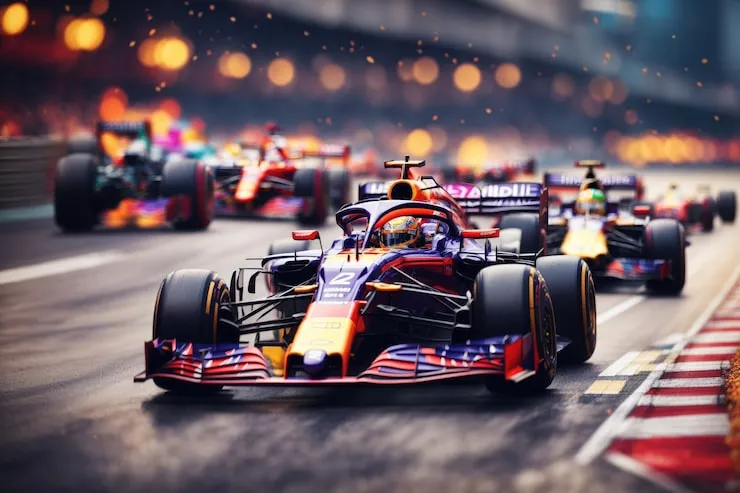
Have you ever wondered what it takes to turn a normal city street into a Formula 1 track? It is not as simple as putting up some fences. Creating an F1 street circuit is one of the biggest tests in all of motorsport. Let us explore the incredible hurdles organizers face.
What Are Street Circuits?
First, let us talk about what makes a street race special. Unlike permanent tracks built in the countryside, street circuits are created on public roads. Think of roads people use every day for buses, bikes, and cars. For one weekend, those roads become a high-speed race track for the fastest cars in the world.
Popular examples include the Monaco Grand Prix, the Singapore Grand Prix night race, and the Miami Grand Prix. Each one turns a famous city into a racing playground. But behind the glamour, there are massive street circuit obstacles to overcome.
The Big Guide to F1 Street Race Challenges
The mission is huge: build a safe, exciting, and legal racetrack in the middle of a living, breathing city. Every step has its own set of urban racing difficulties. Here is a closer look.
Challenge 1: Building a Track That is Safe and Fast
Safety is the most important thing. On a permanent track, there are wide runoff areas filled with gravel or smooth pavement. If a driver makes a mistake, they have space to slow down.
On a city street track, there is no extra space. There are walls, barriers, and buildings right next to the racing line. Organizers must install miles of special fencing, called Tecpro barriers, to absorb crashes. They also have to make sure the track surface is perfectly smooth. A single bump or drain cover can be dangerous at 200 miles per hour.
Making the track exciting for drivers and fans is another logistical hurdle. The best street circuits have a mix of long straights for overtaking and tight, tricky corners that test driver skill. Finding this balance on existing roads is a giant puzzle.
Challenge 2: The City Must Keep Moving
A city cannot just shut down for a month. This is a major public road conversion issue. Organizers work for years with city planners. They create detailed schedules for closing roads and setting up the track.
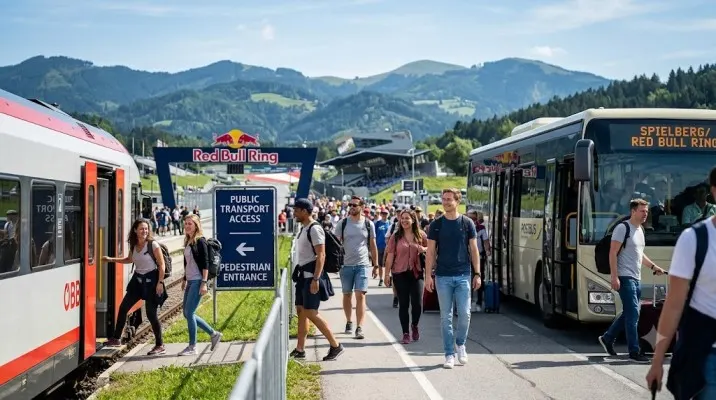
They have to plan for people who live there. How do residents get to their homes? How do emergency vehicles move if needed? How does public transportation like buses and trains keep running? All of these city infrastructure demands must be solved before the first race car arrives.
The setup and teardown of the track is like a military operation. Thousands of pieces of grandstand, fencing, and signage are brought in on trucks. Everything must be built quickly and taken down even faster so the city can get back to normal.
Challenge 3: The Noisy Neighbor Problem
Formula 1 cars are incredibly loud. The sound is thrilling for fans, but it can be a nuisance for people living nearby. This is a key resident and business disruption issue.
Organizers must be good neighbors. They set strict rules for when cars can run on the track for practice sessions. They often create special viewing areas for local residents. They also work hard to explain the benefits the race brings, like money for local businesses and jobs for the community.
Challenge 4: When Weather Throws a Curveball
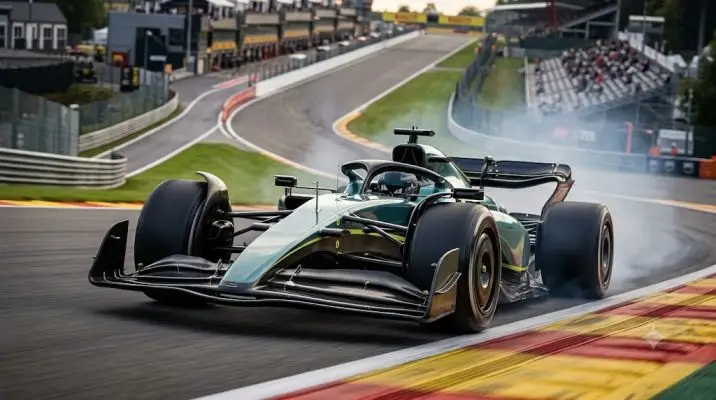
Permanent tracks are designed to drain water quickly. Street race weather problems are much harder to manage. City streets are not built for racing in the rain. Water can pool in strange places, making the track very slippery.
Race directors have to watch the weather closely. If it rains too hard, they may have to use the safety car or even pause the race. It adds a whole extra layer of excitement and difficulty for the drivers.
Behind the Scenes: The Unsung Heroes
Making an F1 street race happen takes a giant team. It is not just about the drivers and engineers.
-
Track Marshals: These brave volunteers stand at the edge of the track. They wave flags to warn drivers and are first on the scene if there is an accident.
-
Medical Team: A full medical center and helicopter are always ready, just in case. Safety is the top priority.
-
City Workers: From cleaning the streets before the race to fixing them after, city crews work day and night.
The Reward: Why Go Through All the Trouble?
With all these urban racing difficulties, why do cities host these events? The answer is in the amazing spectacle.
A street race brings the speed and drama of F1 right to the heart of a city. Fans can watch from famous landmarks. The race becomes a global advertisement for the city, shown on TV in millions of homes. It also brings thousands of visitors who spend money in hotels, restaurants, and shops. The energy and excitement are like nothing else.
F1 Street Race Challenges: FAQs
Q: What is the hardest street circuit for drivers?
A: Monaco is often called the biggest challenge. The track is narrow, there are no real straights, and the barriers are very close. One small mistake can end your race. It is a true test of concentration and precision.
Q: How long does it take to build a street circuit?
A: The physical construction of barriers and grandstands usually takes about 6-8 weeks. However, the total planning with the city starts years in advance.
Q: Do street races damage the roads?
A: The roads are carefully protected with special coatings. After the race, crews inspect every inch of the track. They repair any damage, often leaving the roads in better condition than before the event!
Q: Are street circuits safer than they used to be?
A: Yes, massively. Advances in barrier technology, car safety designs like the halo, and better medical response have made street racing safer than ever. However, the risk can never be zero, which is why safety is always the main focus.
Expert Insights on Street Racing
Pierre Gasly, an F1 driver for Alpine, knows these challenges well: "Racing on a street circuit is a unique feeling. You are driving at the limit, millimeters from a concrete wall. The focus you need is extreme. You cannot let your mind wander for even a second."
Claire Williams, former deputy team principal of Williams Racing, highlights the organizational feat: "A successful street race is a miracle of logistics. It is about harmonizing the needs of a sport operating at the cutting edge with the daily rhythm of a major city. When it all comes together, it’s pure magic for everyone involved."
Conclusion: More Than Just a Race
So, the next time you watch cars zoom past skyscrapers or race alongside a beautiful marina, remember the incredible effort it took to make it happen. The F1 street race challenges are immense, from track safety concerns to noise and traffic management.
Overcoming these hosting a grand prix in a metropolis problems is a huge win. It creates an unforgettable event that combines the heart-pounding action of racing with the iconic backdrop of a world-class city. It is a true testament to what people can achieve with great planning, teamwork, and a shared love of speed.