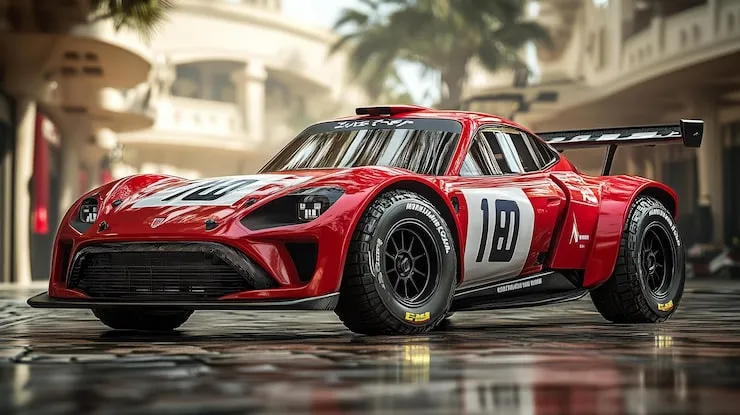
Imagine a vehicle that feels more like a rocket than a car. A machine that can go from zero to sixty miles per hour faster than you can blink. This is not science fiction. This is the world of the most advanced racing cars.
These are not ordinary vehicles. They are masterpieces of engineering, built with one goal: to be the fastest and most capable on the track. Every single part, from the shape of the body to the material of the tires, is designed using cutting-edge motorsport engineering.
This journey explores these incredible machines. We will look at the technology that makes them so fast and so special.
What Makes a Car "Advanced" in Racing?
In racing, "advanced" means using the very best technology to solve big problems. The biggest problem? Going incredibly fast while staying safe and controllable.
It starts with aerodynamic design for maximum downforce. Downforce is like an invisible hand that pushes the car down onto the track. The harder the push, the better the grip. This allows the car to take corners at mind-boggling speeds without sliding off.
These cars are also built with lightweight composite chassis construction. "Chassis" is the car's skeleton. Making it strong but light is a superpower. A lighter car can accelerate faster, brake harder, and use less fuel. Engineers use materials like carbon fiber, which is stronger than steel but much lighter.
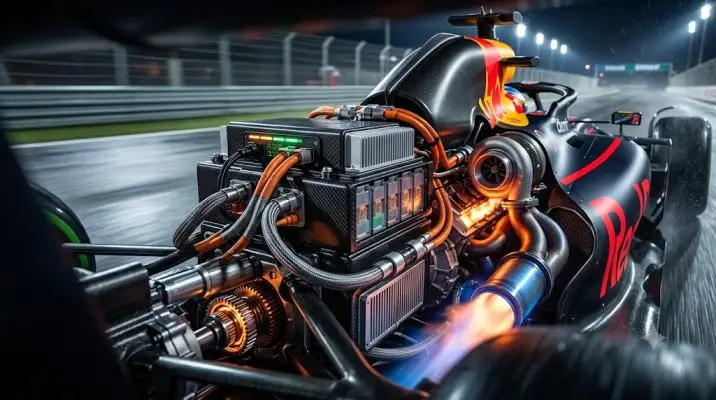
Finally, the heart of the machine: the hybrid power unit technology. Today's top race cars, like those in Formula 1, use amazing engines paired with electric motors. This combination creates massive power very efficiently. It’s a perfect mix of roaring gasoline energy and instant electric boost.
Guide to the Most Advanced Racing Cars on the Planet
Let's meet some of the champions of technology. These are the series where the most advanced racing cars compete.
Formula 1: The Pinnacle of Motorsport Tech
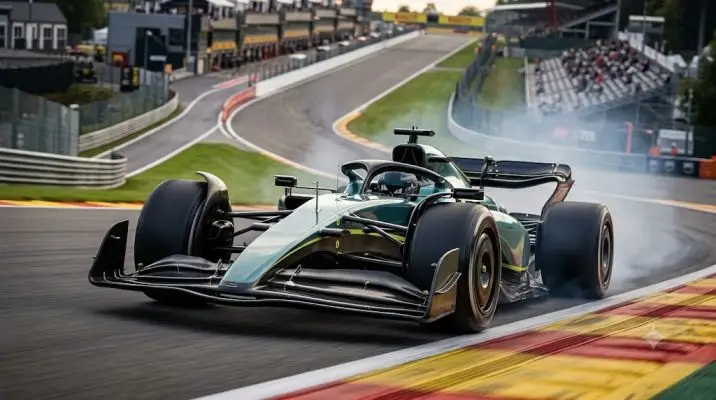
Many experts call Formula 1 the top of the racing world. It is a global championship for advanced prototype race cars. The teams are like laboratories on wheels, constantly inventing new solutions.
The cars are a showcase of next-generation vehicle dynamics systems. Computers control almost everything to help the driver. The engines are marvels. A modern F1 power unit can be more than 50% efficient. This means it turns over half of its fuel's energy into power. A normal road car engine is only about 30% efficient.
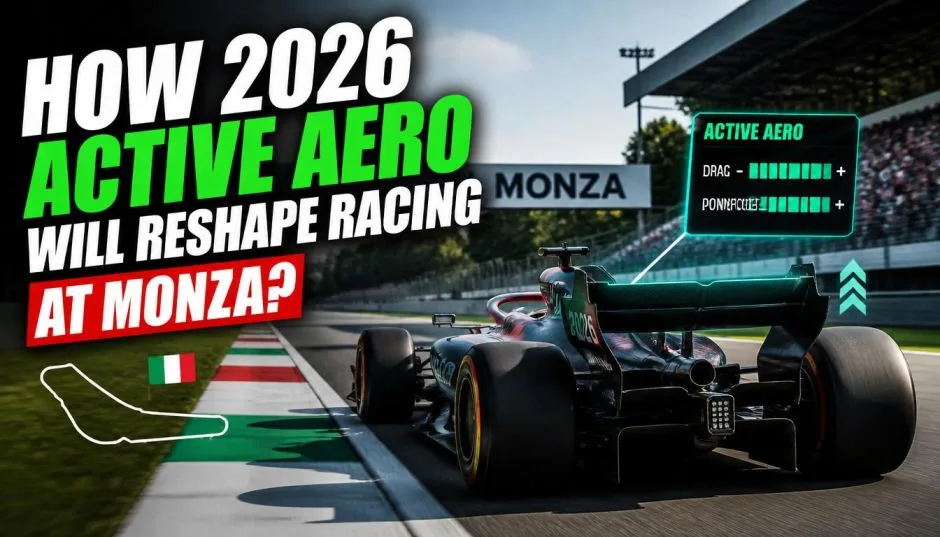
Aerodynamics is king in F1. Every curve on the car's body is there to control the air. The front and rear wings are shaped to create that crucial downforce. Teams spend thousands of hours in wind tunnels, testing shapes to find the perfect one.
Le Mans Hypercars: Endurance Racing Marvels
While F1 is about short, fast races, the 24 Hours of Le Mans is a marathon. Cars race for a full day and night. This requires a different kind of advanced motorsport machine.
The top class is now called Hypercar. These cars must be fast, but also tough and efficient. They use hybrid powertrains for racing, similar to F1 but built for lasting 24 hours. A driver at Le Mans doesn't just fight other cars. They fight fatigue and mechanical problems. Winning is a huge badge of honor for any manufacturer.
These cars are the direct link between the track and the road. The technology tested in the grueling 24-hour race often finds its way into the supercars we can buy.
Formula E: The Electric Revolution
Hear that? It’s the sound of the future. Formula E is the world's first all-electric single-seater racing series. It proves that electric vehicles (EVs) can be thrilling and high-performance.
The series focuses on sustainable racing technology development. The cars run on city streets around the world, showing off clean, quiet speed. The technology in their batteries and electric motors is getting better every year. This racing directly helps make the electric cars we drive every day go farther and charge faster.
It’s a different kind of racing. The strategy is not just about tires and fuel, but about managing battery power. It’s a high-speed puzzle that makes every race exciting.
The Secret Tech Inside These Speed Machines
What hidden magic makes these cars so fast? Let's peek under the bodywork.
Aerodynamics: The Science of Staying on the Ground
Remember downforce? It’s everything. Engineers design the car's shape to act like an upside-down airplane wing. A plane wing creates lift. A race car's shape creates the opposite: downforce.
They use computational fluid dynamics (CFD) simulations. This is a super-powered computer program that mimics how air flows over the car. Engineers can test hundreds of designs without ever building a physical part. When they find a good shape, they test a model in a wind tunnel to be sure.
Features like diffusers at the back of the car use airflow to suck the car onto the track. Every tiny part, even the side mirrors, is shaped for aerodynamic benefit.
Power and Propulsion: More Than Just an Engine
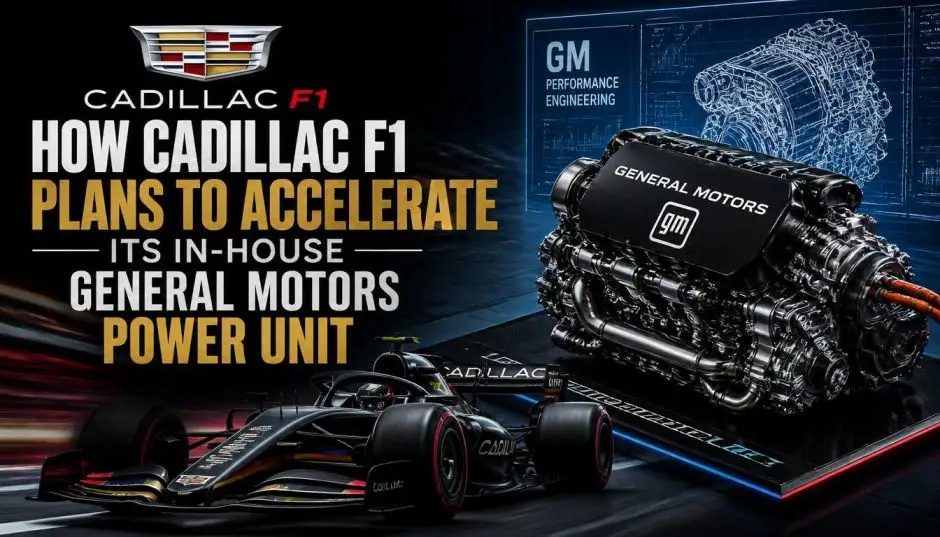
The modern racing powertrain is a complex dance of parts. In F1 and Hypercars, a turbocharged gasoline engine works with an Energy Recovery System (ERS).
The ERS is genius. It captures energy that would normally be wasted. When the driver brakes, the system turns that heat and motion into electricity. This electricity is stored in a battery and can be used later for a big power boost. It’s like recycling speed!
The Driver's Cockpit: A Control Center
Step into the cockpit of a most advanced racing car, and it looks like a spaceship. The steering wheel is covered with buttons, dials, and screens. The driver can change hundreds of car settings without ever taking their hands off the wheel.
They adjust the brake balance (how much braking power goes to the front or rear tires). They manage their hybrid battery power. They talk to their team on the radio. All while driving at over 200 miles per hour. It takes incredible skill and focus.
FAQs About Advanced Racing Cars
How fast do the most advanced racing cars go?
Top speeds are incredibly high. An F1 car can reach over 230 mph on a long straight. But their real magic is cornering speed. They can take a curve at speeds where a normal road car would simply fly off the track.
Why are they so loud?
The sound comes from the high-revving engines and the exhaust systems. Formula E cars are much quieter, with just a futuristic electric whir and the noise of tires gripping the track.
Is the technology in these cars used in road cars?
Absolutely! This is called "technology transfer." Things like hybrid systems, tire compounds, lightweight materials, and even safety features like crash structures were all perfected on the race track first. Racing is the ultimate test lab for the car industry.
How much does one of these cars cost?
It's hard to put a exact price because they are not for sale. But building and running a single Formula 1 car for a season can cost tens of millions of dollars. The technology inside is priceless.
Expert Voices on Racing Innovation
The people who build these machines see them as the ultimate challenge.
-
Aerodynamics Expert: "Managing the air is the single biggest factor in modern racing design. We're not just reducing drag; we're sculpting the airflow to make the car stick to the road. It's invisible, but it's the key to winning."
-
Race Engineer: "The driver is the most important sensor in the car. Our job is to give them a machine that responds perfectly to their input. The blend of human talent and machine technology is what creates magic on Sunday."
The Race Never Ends
The world of the most advanced racing cars is always moving forward. What seems like futuristic tech today will be in our family cars tomorrow. From the roar of a hybrid F1 engine to the whisper of a Formula E car, these machines push the limits of what is possible.
They represent the dreams of thousands of engineers, designers, and drivers. Every race is a test. Every lap teaches a lesson. And the pursuit of speed, safety, and efficiency drives us all toward a more exciting future. The checkered flag may drop, but the innovation race never stops.