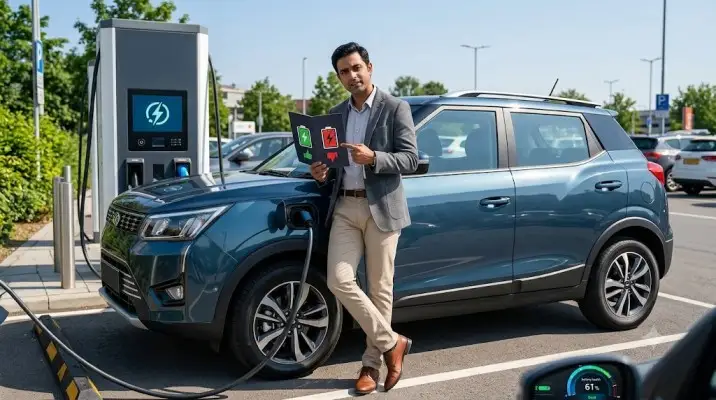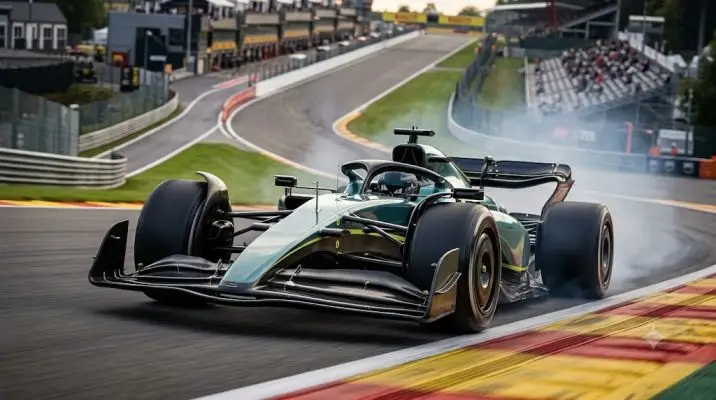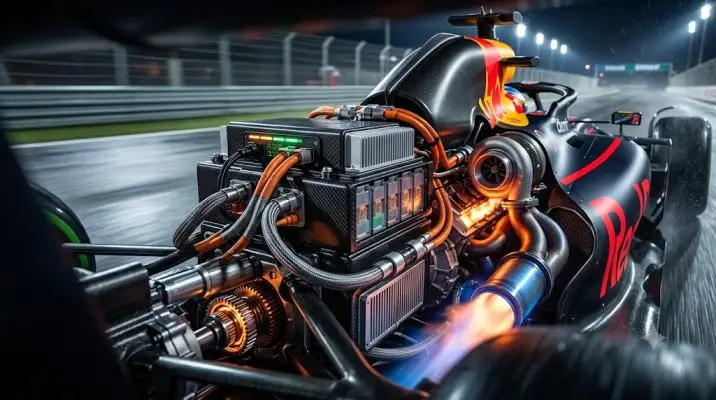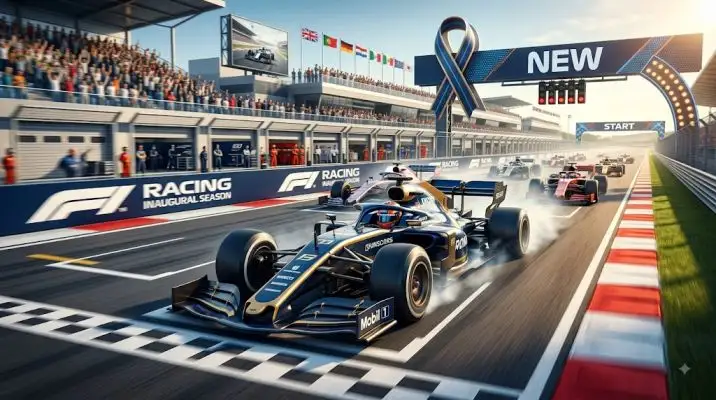
Have you ever wondered how race cars can be so fast and yet so quiet sometimes? Or how they can zip around the track for hours without stopping for fuel? The answer is a brilliant piece of technology called hybrid racing engines.
These are not your ordinary car engines. They are super-smart power systems that combine two worlds. Think of them like a superhero team-up for cars!
This guide will explain everything about these amazing engines. We will explore how they work, why they are so important, and how they are changing the world of racing.
What Are Hybrid Racing Engines, Really?
Let's break down the name. "Hybrid" means a mix of two different things. In this case, it's a mix of two types of power.
A traditional race car engine burns fuel, like gasoline, to create power. A hybrid racing engine does that too. But it also has an electric motor and a battery pack. It’s like having two engines in one car!
The car can use the gasoline engine, the electric motor, or both together. The computer in the car decides the best mix to be the fastest and most efficient. This dual-power setup is what makes high-performance hybrid powertrains so special.
The Guide to Hybrid Racing Engine Parts
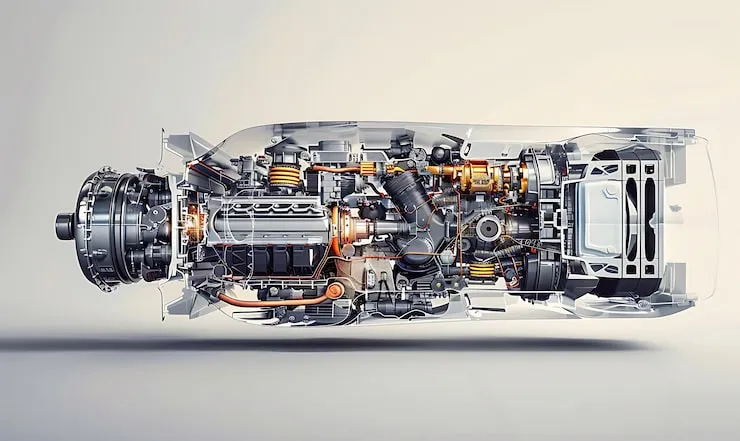
To understand the magic, you need to know the main players. Here’s a simple guide to the key parts inside a hybrid race car.
1. The Internal Combustion Engine (The Old-School Muscle)
This is the part we all know. It’s a very powerful, very efficient gasoline engine. In racing, these are often turbocharged V6 engines. "Turbocharged" means it uses exhaust gases to force more air into the engine, making it even more powerful. This engine is the heart of the traditional racing experience.
2. The Electric Motor-Generator (The Silent Superhero)
This part does two jobs, which is why it has a fancy name. It can act as a motor to spin the wheels using electricity from the battery. It can also act as a generator. When the car brakes, it captures the lost energy and turns it into electricity to charge the battery. This process is called regenerative braking systems in motorsport. It turns waste into power!
3. The Battery Pack (The Energy Treasure Chest)
This is not a regular AA battery! It’s a big, powerful high-voltage battery for racing. It stores all the electrical energy for the electric motor. Racing batteries are built to be super light and to release energy very, very quickly for big bursts of speed.
4. The Control Unit (The Brain)
This is the smartest part. It’s a powerful computer that controls everything. It decides when to use the electric motor, when to charge the battery, and when to combine both power sources. This energy management in hybrid race cars is the secret to winning races.
Why Are Hybrid Systems Used in Motorsports?
You might think racing is only about being the fastest. Today, it’s also about being the smartest. Here’s why all the top racing series, like Formula 1 ERS technology and Le Mans hybrid prototypes, are using hybrids.
-
More Power! This is the biggest reason. The electric motor gives the car an instant power boost. Drivers call it a "push-to-pass" or electric boost in racing. When they press a button, they get a huge surge of speed for overtaking.
-
Better Fuel Efficiency. The car uses less gasoline because it uses electric power too. This means the car can go further on a tank of fuel, which is a huge advantage in long races.
-
It’s Exciting Technology! The racing world is a real-world laboratory. The technology tested in hybrid racing engines often trickles down to our everyday road cars, making them better and more efficient.
Different Types of Hybrid Racing Car Designs
Not all hybrid race cars are built the same way. Engineers place the systems in different spots for different advantages.
-
Kinetic Energy Recovery Systems (KERS): This was one of the first hybrid systems in racing. It focuses on capturing energy from braking (kinetic energy) and storing it for a power boost.
-
MGU-H and MGU-K in F1: Formula 1 has the most complex system. The MGU-K captures energy from braking. The MGU-H captures heat energy from the turbocharger! This makes their F1 power unit efficiency incredible.
-
Plug-in Hybrids in Endurance Racing: Cars at the 24 Hours of Le Mans are like the ultimate test. Some use plug-in systems where they can charge the battery from an outlet and from braking, allowing for longer all-electric driving.
The Big Challenges of Hybrid Racing Tech
Building these engines isn't easy. They are a puzzle of weight, heat, and complexity.
-
Weight and Packaging: Batteries and motors are heavy and bulky. Fitting them into a tiny race car without making it slow is a massive challenge for engineers.
-
Heat Management: Electric systems create a lot of heat. Keeping everything cool while racing at 200 mph requires brilliant thermal management for racing batteries.
-
Complexity and Cost: These are the most complex engines ever built. They have thousands of parts and are extremely expensive to develop and build.
The Future of Electrified Racing
Where is this technology going? The future is even more exciting!
The focus is on sustainable racing fuels and advancements in battery technology for racing. Imagine a race car that runs on fuel made from air and water! Or batteries that are so light and powerful that cars can race for miles on electric power alone. The goal is carbon-neutral motorsports, where racing has no negative impact on our planet.
FAQs About Hybrid Racing Engines
Q: Do hybrid racing engines make the cars slower?
A: Absolutely not! They make the cars much faster. The electric motor provides an instant power boost that pure gasoline engines can't match.
Q: Can the car run on only electric power?
A: It depends on the rules of the race series. In Formula 1, the car cannot move on electric power alone in the pits. But in some electric-powered racing series like Formula E, that's all they use! Many Le Mans hybrid prototypes can drive silently on just electricity for parts of the track.
Q: Are these engines used in road cars?
A: Yes! The basic idea is the same. The technology for regenerative braking and battery management in your family's hybrid car was perfected on the race track.
Q: What is the loud whining noise in F1 cars?
A: That’s the sound of the turbocharger and hybrid system! The whine comes from the MGU-H spinning at incredibly high speeds to recover heat energy from the turbo.
Expert Opinions on Hybrid Racing Technology
You don't have to just take our word for it. The people who build and drive these machines are amazed.
-
Andy Cowell, former F1 engine boss, once said: "The hybrid power unit is the most thermally efficient engine ever made. We’re converting over 50% of the fuel’s energy into power that drives the wheels. A normal road car engine is about half that."
-
A veteran race engineer from a top team shared this insight: "The race isn't just on the track anymore. It's in the software code. The team that manages its electrical energy the best over a race distance has a huge advantage. It’s a strategic game of when to use your electric boost."
Conclusion: More Than Just Speed
Hybrid racing engines are about more than just winning trophies. They are proving grounds for a faster, smarter, and cleaner future. They show us that performance and efficiency can work together. The next time you hear the incredible sound of a race car or see it silently zoom out of a corner, you'll know the secret. It's the power of two worlds, combined into one incredible machine, pushing the limits of what is possible. The revolution on the track is just starting, and it's electrifying!