What’s the fastest, most exciting form of racing on the planet? Many people instantly think of Formula 1. The sleek cars, global races, and famous drivers are hard to miss. But the world of motorsports is much bigger. It’s like comparing a single, super-fast fish to the entire ocean.
This guide will dive into the thrilling world of Formula 1 vs motorsports. We will explore the key differences, the unique challenges, and why each type of racing deserves its own fan club. Whether you love the high-tech world of F1 or the gritty battles of other series, there’s a seat for everyone.
Understanding the Racing Universe: It's Not Just F1
Think of motorsports as a giant umbrella. Under this umbrella, you find many different types of racing. Each one has its own special rules, cars, and tracks. Formula 1 is just one type, sitting under a part of the umbrella called "open-wheel racing."
Other popular types include stock car racing like NASCAR, endurance racing like the 24 Hours of Le Mans, and rally racing where drivers race on dirt and snow. There's also motorcycle racing (MotoGP), drag racing, and even electric racing (Formula E). It's a huge and varied world!
The Formula 1 vs Motorsports Guide: A Side-by-Side Look
To truly understand the landscape, a direct comparison is helpful. This Formula 1 vs motorsports guide breaks down the core elements.
The Cars: Peak Technology vs. Diverse Machines
The cars are the stars of the show, and they couldn't be more different.
-
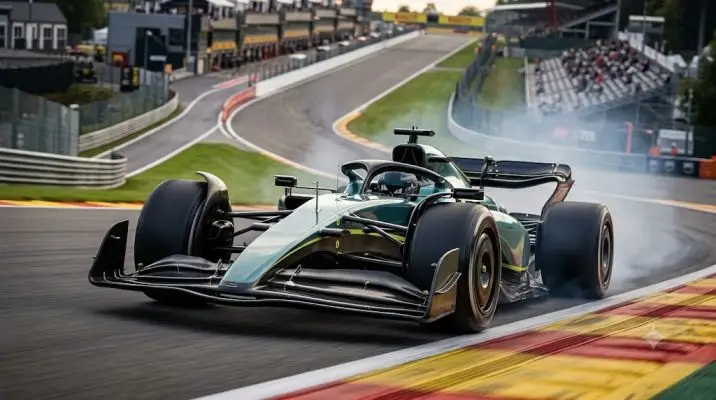
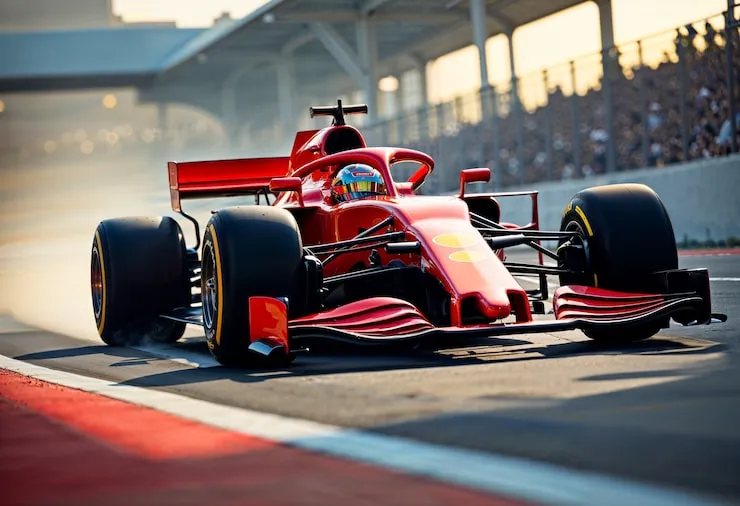
Formula 1 Cars: These are the pinnacle of racing technology. They are not built for anything but racing. Every single part is designed for maximum speed and downforce. They are lightweight, incredibly complex, and cost millions of dollars. An F1 car is like a spaceship built for the ground.
-
Other Motorsports Cars: Here, you find incredible variety. A NASCAR stock car looks like a regular car but is built like a tank for close-quarters racing. Endurance race cars (like in WEC) are built to run perfectly for 6, 12, or even 24 hours straight. Rally cars are toughened-up production cars that can jump and slide on gravel. These different racing series prove that speed comes in many shapes.
The Tracks: Precision Circuits vs. Everywhere and Anything
Where they race is just as important as what they race.
-
Formula 1 Circuits: Races are held on special purpose-built tracks or city street circuits. These tracks have perfect, smooth pavement. Every corner is known. Races are about perfect lap times and hitting the same marks, turn after turn. Tracks like Monaco and Silverstone are famous worldwide.
-
Other Motorsports Tracks: The variety is astounding. NASCAR races on giant, steeply banked superspeedways and smaller short tracks. Rally championships take place on closed-off public roads—through forests, mountains, and deserts. Endurance racing uses some of the longest tracks in the world. This is the essence of diverse racing competition.
The Driving Challenge: A Study in Contrasts
What does it take to win? The skills required change dramatically.
Skill Set for Formula 1 Drivers
F1 driving is about extreme precision. Drivers must be athletes who can handle immense G-forces. They need to work with a huge team of engineers to set up the car perfectly. Overtaking is a science. It's a mental and physical chess game at over 200 miles per hour. The focus is on technical driving skill above all.
Skill Set in Other Racing Series
Now, look at the skills needed elsewhere:
-
A NASCAR driver needs incredible bravery and car control to race inches from other cars for hours.
-
A rally driver must memorize hundreds of miles of unknown road, communicated by a co-driver, while sliding on ice or mud. It’s the ultimate test of adaptability and courage.
-
An endurance driver needs consistency and the ability to share a car with teammates, often racing through the night.
This shows the contrast in racing styles across the board.
The Fan Experience: Global Glamour vs. Grassroots Passion
Being a fan feels different in each discipline.
-
Formula 1 Atmosphere: F1 is a global spectacle. It’s associated with glamour, celebrity, and cutting-edge tech. The race weekend format is a structured show with practice, qualifying, and the race. The strategy of pit stops and tire strategy is a huge part of the drama.
-
Other Motorsports Atmosphere: The vibe is often more raw and accessible. In NASCAR, the roar of 40 V8 engines is a physical feeling. At a rally event, you stand right next to the track as cars fly past, throwing dirt and stones. The connection between fans and drivers can feel more direct and personal.
Choosing Your Favorite: It's All About Preference
So, how do you decide what to watch? There's no wrong answer!
-
Watch Formula 1 if... you love high-tech drama, global travel, and a sport where engineering is as important as driving. You enjoy the pursuit of perfection.
-
Explore Other Motorsports if... you love close, bump-to-bump racing, incredible variety, or seeing cars conquer insane environments. You appreciate pure, unfiltered competition.
The best part? You don't have to choose. Many fans enjoy several types. Watching a premier racing series like F1 doesn't mean you can't also love the chaos of a stadium super truck race!
The Future of Racing: Innovation and Inclusion
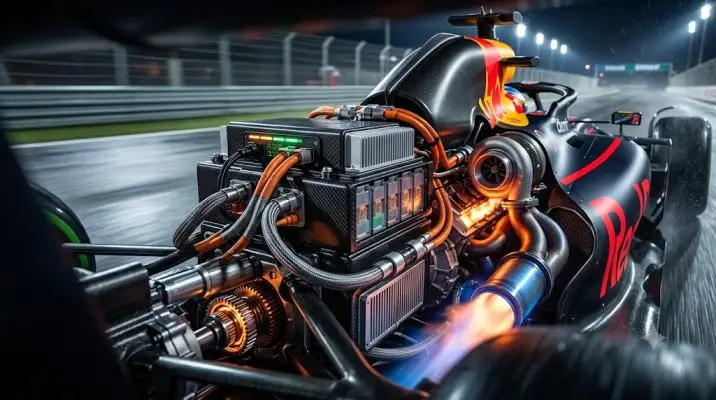
The world of racing is always moving forward. Formula 1 is leading in hybrid power unit technology and pushing for more sustainable fuels. Meanwhile, all-electric racing series like Formula E are growing fast, showcasing the future of car technology.
Across motorsports, there is a strong push to be more inclusive and accessible to new fans and drivers from all backgrounds. The goal is to keep the thrill of racing alive for generations to come.
Frequently Asked Questions (FAQs)
Q: Is Formula 1 the highest level of motorsports?
A: It is often considered the pinnacle in terms of technology, global reach, and driver fame. However, other series like the World Endurance Championship or IndyCar represent the highest level in their specific racing disciplines. Each top series is the "F1" of its own world.
Q: Which is more dangerous, F1 or other motorsports?
A: Safety has improved dramatically everywhere. Each form of racing has unique risks. F1 has high-speed impacts. Rally has unpredictable environments. NASCAR has dense pack racing. All major series have incredible safety standards and continuous improvements to protect drivers.
Q: Can drivers switch between F1 and other series?
A: Yes, but it's challenging. The skills are specialized. Some famous examples include NASCAR's Kimi Räikkönen or IndyCar's Romain Grosjean, who came from F1. It requires great talent to adapt to such different racing vehicles.
Q: Where should a new fan start watching?
A: Start with what looks most exciting to you! Try watching one F1 race and one race from another series, like a NASCAR oval race or a WRC highlight reel. You'll quickly feel which style of competition grabs your attention.
Expert Insights and Final Thoughts
As someone who has spent years around racetracks, the diversity is what makes motorsports so special. A veteran racing engineer once told me, "F1 shows you the outer limit of what is technically possible. Other series show you the outer limit of what is humanly possible."
That quote really sums it up. Formula 1 is a breathtaking display of human and engineering perfection. The wider world of motorsports is a celebration of pure competition, adaptability, and raw passion.
So, the next time someone talks about racing, remember it's more than just one thing. Dive in, explore, and enjoy the incredible show. From the glitz of the F1 paddock to the mud-splattered windows of a rally car, the world of speed has a story for everyone