Think of the fastest cars on Earth. They zip around corners at incredible speeds. This is Formula 1. But it is more than just a race. It is a high-speed science lab on wheels. The technology in F1 cars is some of the most advanced on the planet. This guide to F1 tech will show how ideas from the track end up in everyday life.
Your Ultimate Formula 1 Technology Guide
What makes a Formula 1 car so special? It is not just a powerful engine. It is a masterpiece of engineering. Every single part has a job. The goal is simple: go faster, be safer, and use less fuel. This F1 tech breakdown explores the magic behind the machine.
The Heart of the Beast: Hybrid Power Units
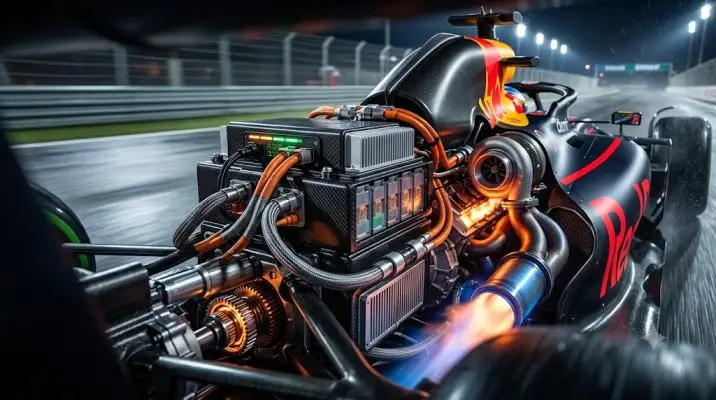
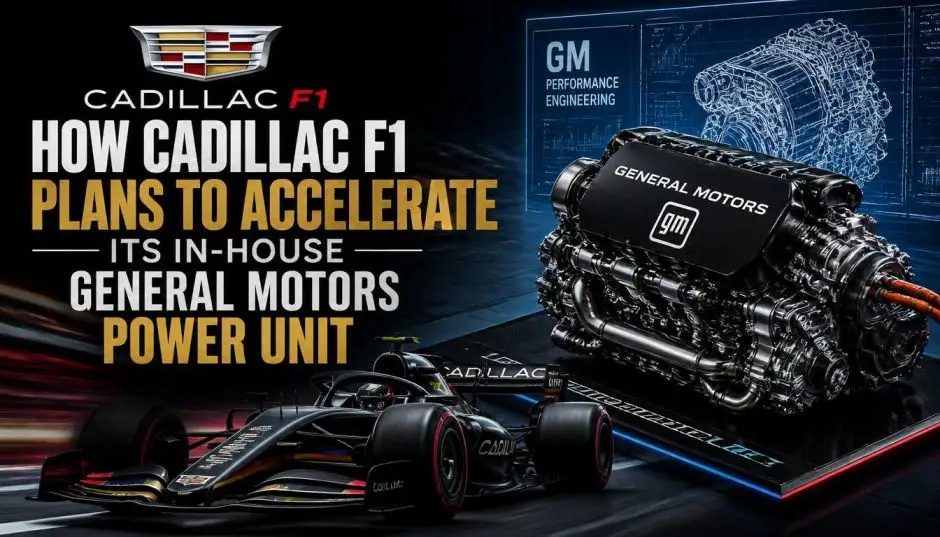
The engine of a Formula 1 car is called a hybrid power unit. It is like a super-smart engine in a hybrid family car, but much more powerful. It has two main parts:
-
The Internal Combustion Engine (ICE): This part burns fuel to create power.
-
The Energy Recovery System (ERS): This clever system captures energy that is normally wasted.
The ERS is a game-changer. It grabs heat from the engine and brakes. Then, it turns that lost energy into extra power. This makes the car faster and more efficient. This advanced motorsport engineering is all about doing more with less.
Sticking to the Track: Aerodynamics and Downforce
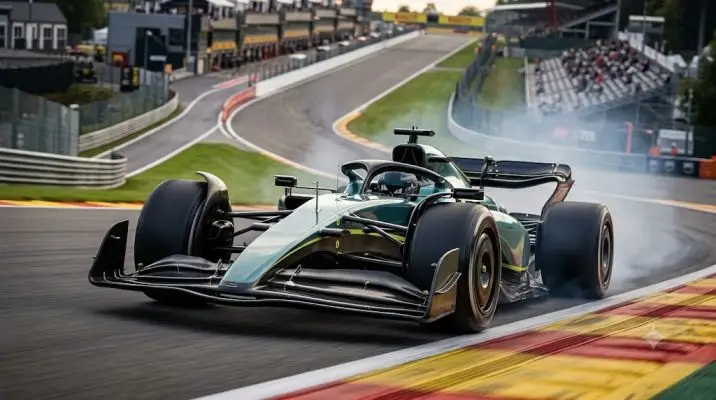
Have you ever held your hand out of a car window? The air pushes it back. Formula 1 cars use air in a smart way. They are shaped to create downforce. Downforce is like an invisible hand pushing the car down onto the track.
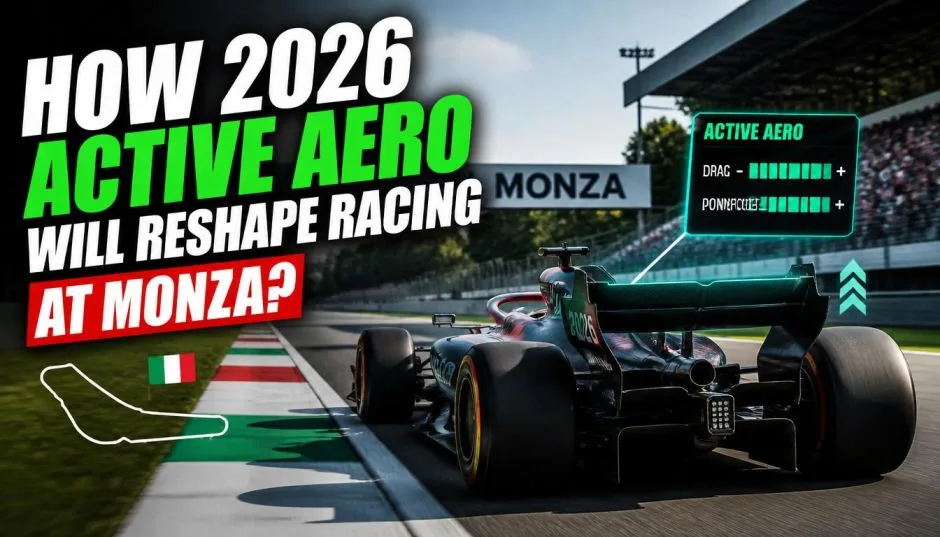
This "push" gives the tires more grip. More grip means drivers can take corners at crazy speeds without sliding off. The front and rear wings are like upside-down airplane wings. They create this crucial downforce. This race car aerodynamics science is key to winning.
The Brain of the Car: Sensors and Data
A modern Formula 1 car is covered in sensors. Over 300 sensors are on each car! They measure everything. Tire temperature, brake pressure, and engine vibrations are all tracked.
During a race, these sensors send millions of data points back to the team garage. Engineers watch this real-time racing data on screens. They use it to make quick decisions. They can tell a driver to save tires or push harder. This data-driven performance helps teams win races.
How F1 Engineering Innovations Help Everyday Cars
The coolest part? Formula 1 technology does not stay on the track. It trickles down to the cars people drive every day. This is called technology transfer from F1.
-
Better Safety: Formula 1 has led to huge safety advances. The HANS device (Head and Neck Support) was created for racing. It is now used in many high-performance road cars. Stronger safety cell designs also started in F1.
-
Efficient Hybrid Systems: The push for efficiency in F1 led to better hybrid systems for road cars. Capturing wasted energy helps save fuel and lower emissions for everyone.
-
Lightweight Materials: F1 cars must be strong but light. Engineers use special materials like carbon fiber composites. These materials are now found in bicycles, laptops, and everyday cars to make them lighter and stronger.
As former F1 engineer and tech expert James Dyson once noted, "The relentless pursuit of performance under extreme pressure forces innovations that, years later, become standard. The cycle of improvement in F1 is unparalleled."
Stopping on a Dime: Brake-by-Wire Systems
Stopping a car going over 200 mph is a huge challenge. Formula 1 uses amazing carbon ceramic brakes. They can get incredibly hot without failing.
They also use a brake-by-wire system. This links the driver’s foot on the brake pedal to a computer. The computer helps control the braking force perfectly. This technology is now appearing in advanced road cars for safer, smoother stops.
Staying Connected: Pit Wall Communication
The communication between a driver and the team is vital. Drivers have a small button on their steering wheel. They press it to talk to their race engineer.
The engineer gives updates on strategy, weather, and other cars. This clear, fast pit wall communication can be the difference between winning and losing. It is like the ultimate team sport where one teammate is going 200 mph!
The Future of Motorsport Tech: What’s Next?
Formula 1 never stands still. The sport is always looking forward. A big goal is to become more sustainable. By 2030, F1 aims to have a net zero carbon footprint.
New rules encourage the use of sustainable fuels. These fuels are made from non-oil sources. They could drastically reduce the carbon footprint of all transportation. The innovation in F1 today is building a cleaner tomorrow.
Simulation: Racing in a Virtual World
Before a car ever touches a real track, it races in a computer. Teams use incredibly complex CFD (Computational Fluid Dynamics) software. This software simulates how air will flow over the car.
They also use driving simulators. Drivers can practice on a digital copy of a racetrack. This virtual prototyping saves time and money. It lets teams test thousands of designs without building them first.
FAQs About Formula 1 Technology
Q: How much does a Formula 1 car cost?
A: Building an F1 car is extremely expensive. The cost for a single car can be over $15 million! This is because of the advanced materials and technology used in every part.
Q: Why are F1 tires smooth? Don't tires need tread?
A: Regular car tires have tread to push away water on rainy roads. F1 uses smooth "slicks" only on dry tracks for maximum grip. When it rains, the cars switch to special grooved tires that can channel water away.
Q: How fast can an F1 car go?
A: The top speed is over 230 mph! But the most impressive thing is how fast they can go around corners, thanks to aerodynamic downforce.
Q: How do F1 teams use all that data during a race?
A: Engineers in the garage watch live data on dozens of screens. They can spot if an engine is getting too hot or if tires are wearing out. They then radio the driver with instructions to fix the issue, all while the car is flying around the track.
Q: Has F1 tech really helped normal cars?
A: Absolutely! Many common features started in F1. These include paddle shifters, advanced safety cells, energy-saving hybrid systems, and even rearview mirrors designed for better vision.
Conclusion: More Than Just a Race
Formula 1 is a thrilling sport. But under the bright lights and roaring engines, it is a hub of cutting-edge automotive technology. The pursuit of victory drives inventions that make all cars safer, faster, and cleaner. From the hybrid power unit to the carbon fiber chassis, these innovations shape the future of transportation for everyone. The next time you see a Formula 1 car speed by, remember: you are not just watching a race. You are watching the future being built, one lap at a time.