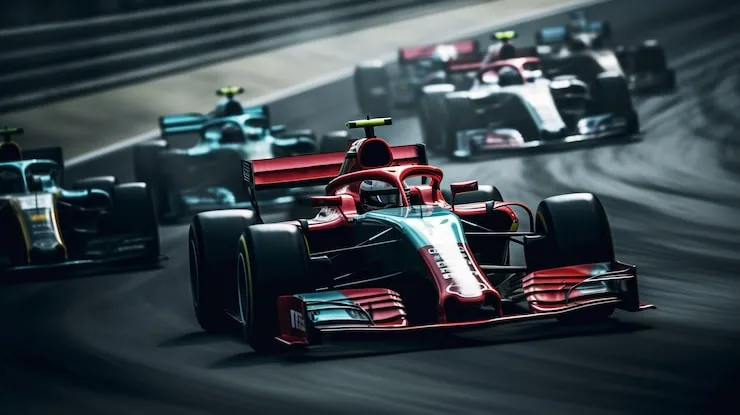
Have you ever watched a Formula 1 race? The cars are super fast and loud. The drivers are like heroes. But have you ever wondered how it all works behind the scenes? How does a sport with such expensive cars and huge races make money?
It's not just about going fast on Sunday. It's a giant, global business. Let's look under the hood at the Formula 1 business model.
What is a Business Model, Anyway?
Think of a business model like a recipe. It's a plan for how a company makes money. A lemonade stand has a simple model: buy lemons and sugar, make lemonade, sell it for more than the cost.
The Formula 1 revenue model is a much more exciting recipe. It has many ingredients that all work together to create a successful show.
The Formula 1 Business Model Guide: The Three Big Money Makers
The Formula 1 commercial structure is built on three main pillars. These are like the three legs of a stool—all are needed to keep it standing.
Pillar 1: The Race Promoters and Hosting Fees
Cities and countries around the world want to host a Grand Prix. It’s a huge event that brings tourists, shows off the city, and is very exciting.
To host a race, the local organizer (called a "promoter") pays Formula 1 a huge fee. This is a hosting fee. It's like renting the F1 "show" for a weekend. Places like Monaco, Las Vegas, and Singapore pay millions for this privilege. This is a very stable part of F1's income sources.
Pillar 2: Broadcasting Rights: Bringing the Race to Your Home
You probably watch races on TV or a streaming service. Those TV companies don't get the signal for free! They pay Formula 1 for the rights to broadcast the races.
These TV rights deals and media rights revenue are the biggest single part of F1's money. Networks like ESPN pay billions of dollars for the right to show every practice, qualifying, and race to fans in their country. This money is then shared.
Pillar 3: Sponsorship and Advertising Partnerships
Look at an F1 car, a driver's suit, or even the track fences. They are covered in logos! Companies pay to have their name seen by millions of fans worldwide.
This is sponsorship income. Brands like Rolex, Heineken, and Aramco want to be connected to F1's excitement and global audience. This also includes track signage and branding you see during the race broadcast.
A Closer Look: The Formula 1 Business Model Guide for Teams
The ten teams (like Ferrari, Red Bull, and Mercedes) are their own businesses. They have a different, but connected, team revenue model.
Where do F1 teams get their money?
-
Prize Money Fund: At the end of each year, Formula 1 shares a big pot of its profits with the teams. This is called the Concorde Agreement. The better a team finishes in the championship, the more prize money it gets. This is a key part of F1 team finances.
-
Title Sponsors: The biggest sponsor gets its name in the team's official title, like the Oracle Red Bull Racing team.
-
Partnerships: Other companies sponsor different parts of the team, like the engine, gearbox, or even the drivers' gloves.
-
Owner Investment: Some teams, like Ferrari, are backed by huge car companies. Others have wealthy owners who invest their own money to make the team competitive.
How Money is Spent: The Other Side of the Model
Making money is one thing. Spending it is another! The financial ecosystem of F1 involves huge costs.
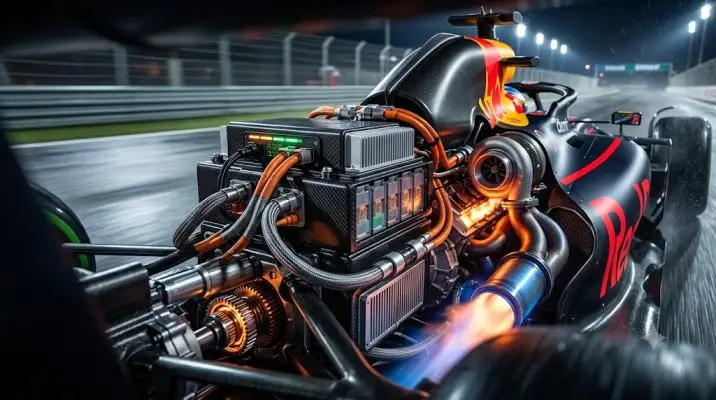
The biggest cost for a team is building and developing the car. The cost of F1 technology is amazing. Every new front wing or engine part costs millions to design and test. Teams also have to pay their drivers, engineers, and mechanics.
To make racing more fair and sustainable, F1 now has a budget cap. This is a rule that says a team can only spend a certain amount of money each year on car performance. This helps control the economic structure of motorsport.
New Roads: Digital and Fan Growth
The modern Formula 1 business model doesn't just rely on old ideas. It's always finding new roads.
-
Digital Media and F1 TV Pro: Fans can now subscribe to F1's own service to watch every camera angle and listen to team radios. This is direct digital subscription revenue.
-
Fan Engagement: The F1 Fan Festival events and F1 Esports Series bring the sport to people who can't go to a race. Happy fans mean a healthier business.
-
The Netflix Effect: The "Drive to Survive" series brought millions of new, young fans to the sport. This shows the power of content creation and storytelling.
Keeping the Sport Healthy: The Future
The goal of the Formula 1 business model is not just to make money today. It's to make sure the sport is healthy for years to come.
This means making sure all ten teams can compete. The budget cap and fairer prize money help with this. It's called sustainable growth.
It also means finding great new race locations while keeping classic tracks. It's about balancing the old and the new.
Frequently Asked Questions (FAQs)
Q: Does Formula 1 own all the teams?
A: No, Formula 1 (owned by Liberty Media) runs the championship and the business side. The ten teams are separate, private companies that choose to compete under the F1 rules.
Q: What is the most valuable part of F1's business?
A: The long-term contracts for broadcasting rights and race promotion fees are the most stable and valuable. They provide guaranteed income for years.
Q: How do new teams join Formula 1?
A: It's very difficult and expensive. A new team must be approved by the other teams and F1. They also have to pay a $200 million fee to join, which is shared by the existing teams to protect their value.
Q: Why did F1 create a budget cap?
A: Before the budget cap, the richest teams could spend way more money, making the competition unfair. The cap helps level the playing field and makes the sport more about smart ideas, not just who has the biggest wallet.
Expert Insight: As noted by industry analysts, "Formula 1 has brilliantly shifted from a sport solely for petrolheads to a global entertainment brand. Its business model successfully blends traditional media money with modern digital fan engagement, creating a financial machine as finely tuned as the cars themselves."
The Checkered Flag
So, the next time you see a Formula 1 car zoom by, remember there's a whole world of business racing along with it. From hosting fees in glamorous cities to TV deals and sponsor logos, the Formula 1 business model is a complex and powerful engine.
It’s this model that funds the incredible technology, pays for the global circus of races, and brings the thrilling sport to screens around the world. It's not just a sport; it's a masterclass in building a global entertainment business. And understanding it makes watching the race on Sunday even more interesting