For over 70 years, Formula 1 has been the ultimate test of speed and skill. The roaring engines and fast pit stops are famous worldwide. But a quiet revolution is happening behind the scenes. It is changing racing forever and, more importantly, changing the world we live in.
This is the F1 electric innovation guide. It explores how the push for faster laps is creating cleaner, smarter technology for everyone. This journey into racing electrification is about more than just cars. It is about power, efficiency, and a sustainable future.
What is F1 Electric Innovation?
At its heart, F1 electric innovation is the development of electric and hybrid systems made for the racetrack. These systems must be incredibly powerful and reliable. The goal is simple: use energy in the smartest way possible to win.
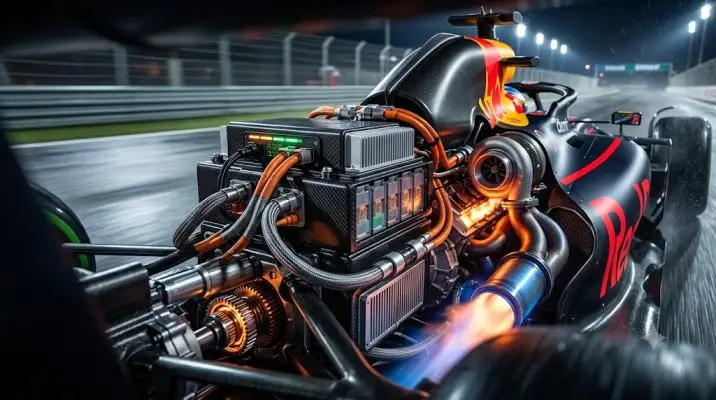
This is not about creating a simple electric car. It is about building a complex hybrid power unit. This unit combines a traditional gasoline engine with advanced electric motor technology. The energy recovered from braking and hot exhaust gases is converted into extra power. This process is called energy recovery systems (ERS).
Think of it like a smartphone battery. You want it to last all day. So, you close apps you are not using and dim the screen. An F1 car does the same thing. It manages every bit of energy with incredible precision. This focus on efficiency in motorsport leads to amazing new ideas.
The Heart of the System: The MGU-K and MGU-H
The magic of an F1 car's power unit comes from two key parts. They have complicated names but simple jobs.
The MGU-K (Motor Generator Unit – Kinetic) is like a super-smart brake. When a driver hits the brakes, energy is usually lost as heat. The MGU-K captures that energy from the brakes. It turns it into electricity. This electricity is then stored in a battery for the driver to use later as a power boost.
The MGU-H (Motor Generator Unit – Heat) is even more clever. It is connected to the turbocharger. The turbo uses hot exhaust gases to push more air into the engine. The MGU-H captures energy from those spinning exhaust gases. It also uses electricity to spin the turbo faster, eliminating "turbo lag." This makes the car respond instantly when the driver presses the accelerator.
Together, these systems create the most thermally efficient engines in the world. They turn waste into wonder. As former F1 engineer and current analyst, Sam Collins, notes: "The technology in these power units is staggering. The efficiency levels they achieve under such extreme conditions are a blueprint for the future of all machinery."
From the Racetrack to Your Road
You might wonder, "How does this help me?" The connection is stronger than you think. The trickle-down effect from F1 to EVs is very real.
-
Battery Technology: F1 pushes the limits of lightweight battery packs that charge and discharge energy incredibly fast. Research into making these batteries smaller, lighter, and more powerful directly helps improve electric road cars.
-
Regenerative Braking: That MGU-K technology? A simpler version is in almost every hybrid and electric car on the road today. It helps your car recover energy when you slow down, extending its range.
-
Energy Management: The super-fast computers that manage an F1 car's power are masters of efficiency software. This software learning helps make road car systems smarter, ensuring you get the most miles from every charge.
-
Materials and Cooling: Keeping an F1 battery cool at 200 mph is a huge challenge. The advanced carbon fiber materials and cooling systems developed for racing make future EV components safer and more durable.
This constant push for performance in F1 acts as a giant laboratory. It speeds up development for everyone. The race is not just for a trophy; it's for better sustainable automotive technology.
The Bigger Picture: F1's Net Zero Goal
The innovation is not just in the cars. Formula 1 has a bold plan. The sport aims to be Net Zero Carbon by 2030. This means removing as many carbon emissions as it creates.
This goal affects everything:
-
Logistics: Using sustainable fuels for the trucks and planes that move teams across the globe.
-
Events: Making grand prix weekends more sustainable by reducing waste and using renewable energy.
-
Facilities: Teams are building wind tunnels and factories powered by solar and wind energy.
Every part of the sport is working towards this goal. It proves that high-speed excitement and responsibility can go hand-in-hand.
The Future Sound of Speed
A common question is about sound. Will electric innovation take away the famous F1 roar? The answer is about evolution. The current hybrid engines have a unique, high-tech scream. As technology changes, the sound will change too. The focus is on the feeling of speed and competition. The core of racing—the skill, the strategy, the thrill—will always remain.
Challenges and Exciting Possibilities
The path of F1 electric innovation is not always easy. New technology is expensive and complex. The current hybrid power units are marvels of engineering. Some argue they are too complicated. Finding the right balance between amazing technology, exciting racing, and cost is a constant challenge.
But the possibilities are thrilling. There is ongoing research into advanced biofuels and synthetic fuels. These fuels could be made in a lab from captured carbon or plant waste. They could burn cleanly in a highly efficient hybrid engine. There is also talk of even more powerful energy recovery systems. Imagine capturing energy from the car's suspension movement!
The pursuit of the ultimate efficient machine never stops. Every regulation change, like the 2026 power unit rules, sets a new target. It pushes engineers to think in ways no one has before.
Why This Innovation Race Matters
Formula 1 is a spotlight. It shows the world what is possible. When a technology succeeds at 220 mph in the desert heat or pouring rain, it proves it is tough and reliable. This builds public trust in electric vehicle advancement.
The competition between teams like Mercedes, Ferrari, and Red Bull drives progress faster than any single company could alone. This competitive development in racing is a powerful engine for change. It makes better, more efficient cars for all of us, faster.
It shows the next generation that science and engineering are not just school subjects. They are the tools to build a faster, cleaner, and more exciting future.
Frequently Asked Questions (FAQs)
Q: Are F1 cars fully electric?
A: No, not yet. Modern F1 cars are hybrid vehicles. They use a very efficient gasoline engine combined with powerful electric motors and batteries. This hybrid system is the heart of current F1 electric innovation.
Q: How is F1 technology used in regular cars?
A: Many common features started in racing. This includes energy-saving brakes (regenerative braking), ultra-efficient turbochargers, and lightweight materials like carbon fiber. The software that manages a car's energy also gets smarter thanks to F1 research.
Q: What does "Net Zero by 2030" mean for F1?
A: It means Formula 1 plans to remove as many carbon emissions as it creates by the year 2030. This involves using 100% sustainable fuels in the cars, making travel and events greener, and powering factories with renewable energy.
Q: Will F1 ever switch to fully electric engines?
A: Formula 1 has a separate championship for fully electric cars called Formula E. For now, F1 believes its current hybrid path is the best way to develop relevant, efficient technology. The focus is on cutting-edge sustainable fuels and ultra-efficient hybrid systems.
Q: Why is efficiency so important in a sport about speed?
A: In F1, how you use your fuel and energy is a huge part of the race strategy. A more efficient car can carry less fuel, making it lighter and faster. It can also use its electric power boost for longer. So, efficiency doesn't slow the cars down; it makes them smarter and faster.