Thinking about buying an electric vehicle? One of the biggest questions people have is about upkeep. You might have heard that keeping an electric car on the road is much cheaper. But is that really true? Let's explore what it actually costs to maintain an electric vehicle and why the numbers often look so good.
The simple answer is yes, electric vehicles generally have lower maintenance expenses compared to traditional gasoline cars. The reason lies in their simpler design. Fewer moving parts mean fewer things that can wear out or break.
How an EV's Simple Design Cuts Down on Bills
A gasoline engine is a complex machine. It needs hundreds of parts working together: pistons pumping, valves opening, a timing belt spinning, and exhaust flowing. All this creates friction, heat, and wear.
An electric motor is much simpler. It has only about 20 moving parts. It doesn't need oil to lubricate all those components. It doesn't have a complex transmission. This simplicity is the secret to lower EV maintenance costs.
Here’s a quick look at what you’ll likely never pay for on a battery-electric car:
-
No engine oil changes.
-
No spark plug replacements.
-
No timing belt services.
-
No muffler or catalytic converter repairs.
-
Fewer brake pad changes (thanks to regenerative braking).
Breaking Down Common EV Maintenance Costs
So, what does need care and attention? While the list is shorter, taking care of these things keeps your EV running smoothly for years.
Regular Check-Ups: The EV Service Schedule
Even without an engine, EVs need periodic check-ups. Think of it like a doctor's visit for your car. These visits focus on the overall health of the vehicle.
A typical service might include:
-
Rotating the tires to ensure they wear evenly.
-
Checking and topping up brake fluid.
-
Inspecting the cabin air filter (for clean air inside the car).
-
Examining the battery cooling system.
-
A full multi-point inspection of lights, wipers, and other safety features.
These routine maintenance tasks are vital. They help catch small issues before they become big, expensive problems.
Caring for the Heart: The Battery Pack
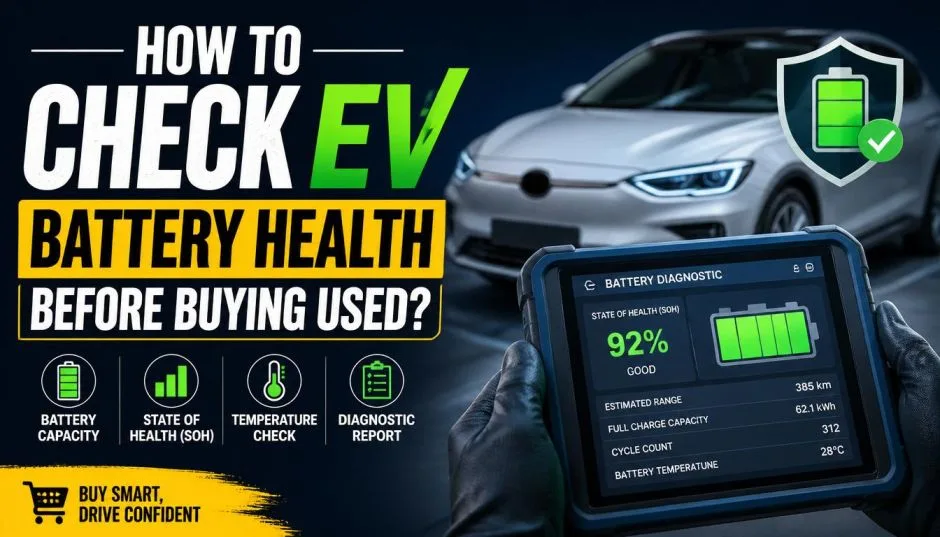
The battery is the most important and expensive part of an EV. The good news is that modern electric car batteries are built to last. Most come with a long battery warranty, often 8 years or 100,000 miles.
You can't "service" the battery itself, but how you treat it affects its long-term health. To maximize your EV battery life, experts suggest:
-
Avoid constantly charging to 100% for daily use. Setting a limit to 80-90% is easier on the battery.
-
Try not to let the battery get too low too often.
-
Use DC fast chargers sparingly for long trips, and rely on gentler Level 2 charging at home.
Following these battery health tips can help preserve your car's range and value over time.
Tire Wear and Rotation for Electric Cars
EVs are often heavier than gas cars because of the battery pack. They also deliver instant torque, which means powerful acceleration. These two factors can cause tires to wear out a bit faster.
This makes tire rotation even more important. Swapping the tires from front to back regularly helps them last longer. Choosing tires designed for EV efficiency can also improve your range.
The Magic of Regenerative Braking
This is a brilliant feature of electric cars. When you slow down, the electric motor runs in reverse. It acts like a generator, capturing energy and sending it back to the battery. This process also slows the car down, reducing how much you use the traditional brake pads.
Because of this, brake pad replacement happens far less often. Many EV drivers go tens of thousands of miles before even thinking about new brakes. This is a major gas vs electric car maintenance difference that saves money.
Keeping Things Cool: The Thermal Management System
The battery and motor need to stay at a perfect temperature. A thermal management system uses coolant to keep everything from getting too hot or too cold. This coolant needs to be checked and occasionally replaced, much like antifreeze in a traditional car. It’s a key part of EV service requirements.
Comparing the Costs: EV vs. Gasoline Car
Let's look at the numbers. Several studies have shown the clear financial advantage of EV ownership over time.
One report found that over a five-year period, the average cost to maintain an electric vehicle can be less than half that of a comparable gasoline car. The savings come from all those missing oil changes, filter swaps, and exhaust repairs.
While the upfront price of an EV can be higher, the long-term savings on maintenance help balance the total cost of ownership. When you add in savings on fuel, the picture gets even better for electric cars.
The Big Question: What About Battery Replacement?
This is a common worry. It's true that replacing an EV battery pack is very expensive. However, it's also very rare during the time most people own the car.
Manufacturers design batteries to outlast the warranty period. Data shows most EV batteries retain a large percentage of their capacity after a decade of use. Planning for EV battery replacement costs is less about expecting failure and more about understanding the car's very long-term value.
Real-World Savings: An Owner's Perspective
Don't just take the reports at their word. Talk to EV owners. Many will share stories of going years without any repair bills beyond tire rotations and new wiper blades.
The experience of lower operating costs for EVs isn't just a theory—it's what happens in driveways every day. The peace of mind that comes from fewer unexpected mechanic visits is a benefit that's hard to put a price on.
Expert Insight on EV Upkeep
Industry leaders agree on the maintenance advantage. As one automotive engineer noted, "The shift to electrification isn't just about emissions. It's about fundamentally simplifying the automobile. We're moving from intricate mechanical systems to robust digital and electrical ones. This inherent reliability is what drives down lifetime service costs for the consumer."
This expert opinion reinforces that lower EV maintenance costs are a direct result of better, simpler technology.
FAQs About EV Maintenance Costs
Are EVs really cheaper to maintain?
Yes. Studies and owner experiences consistently show that the annual maintenance cost for an electric car is significantly lower than for a gasoline-powered vehicle, primarily due to fewer mechanical parts.
What is the most expensive part to fix on an EV?
The high-voltage battery pack is the most expensive single component. However, it is protected by a long warranty and is designed to last for the life of the vehicle under normal use.
How often does an EV need service?
Service intervals are usually longer—often once a year or every 10,000-15,000 miles. Always follow the specific schedule in your owner's manual for EV service requirements.
Do electric cars need oil changes?
No. Electric motors do not use engine oil, so this routine cost and task are completely eliminated.
Do tires wear out faster on an EV?
They can, due to the vehicle's weight and instant power. Regular tire rotation is crucial to maximize tire life on an electric vehicle.
Final Thoughts on Keeping Your EV Running
Choosing an electric vehicle is a smart decision for your wallet when it comes to maintenance. The story of EV maintenance costs is one of simplicity and savings. Without the complex engine and transmission, you spend less time and money at the repair shop.
By following the simple EV maintenance schedule, caring for your battery, and rotating your tires, you can enjoy years of quiet, efficient, and affordable driving. The future of car care is looking simpler, cleaner, and much less expensive.