Electric cars are zooming onto our roads. They are quiet, fun to drive, and don't need gas. But many people wonder: are they truly better for our planet? This is a great question! To find the answer, we need to look at the whole story, from where the materials come from to what happens when the car's life is over. This look at the total picture is called examining the environmental impact of EVs.
Understanding the Full Environmental Impact of EVs
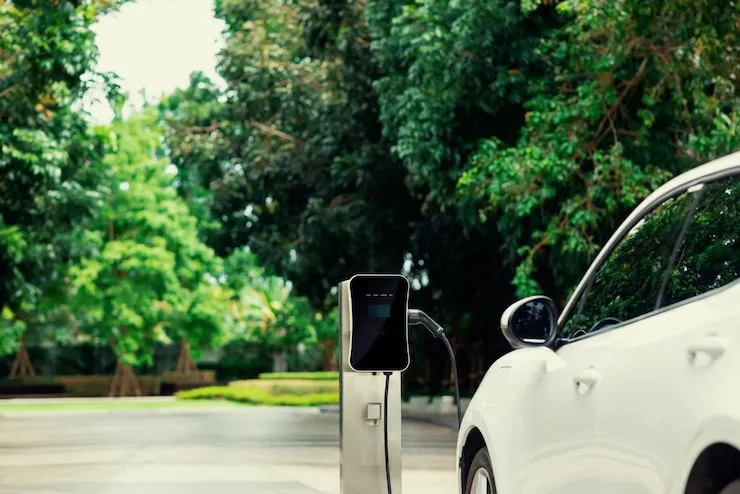
An electric vehicle (EV) doesn't have a tailpipe. This means it doesn’t pump out exhaust while driving. That’s a huge win for clean air in our cities and neighborhoods. However, judging an EV’s true effect on the Earth means looking at more than just the road. We must consider its entire life cycle.
The Battery Question: A Closer Look at EV Manufacturing
Making an electric car, especially its large battery, requires more energy and materials than making a gasoline car. This process creates what is known as the manufacturing carbon footprint of electric vehicles.
-
Where Materials Come From: Batteries need metals like lithium, cobalt, and nickel. Mining these can affect local environments and uses water and energy. The good news is that companies are working hard to make this process cleaner. They are finding new ways to mine with less impact and using more renewable energy in EV battery production.
-
The Payoff: Think of this like charging a big battery. You use some energy upfront. But once it's charged, it gives back much more. An EV is similar. It takes more energy to build, but it pays back by producing zero tailpipe emissions for years and years.
The Big Win: Zero Emissions on the Road
This is where electric cars shine. When driving, a battery-electric car produces zero tailpipe emissions. This means no nasty gases like carbon dioxide (CO2) or nitrogen oxides (NOx) come out of the back.
-
Cleaner Air for Us: This leads to reduced air pollution from electric transportation. It means cleaner air in our towns and cities, which is better for everyone's health, especially for people with asthma.
-
A Quieter World: EVs also cut down on noise pollution, making our communities more peaceful.
It's All About the Electricity Source: The Grid Connection
An electric car is only as clean as the electricity that charges it. This is a key part of the lifecycle analysis of electric vehicles.
-
Charged by Coal or Sun?: If an EV is charged using power from a coal plant, its overall pollution is higher. But if it's charged with solar, wind, or hydropower, its pollution is extremely low.
-
A Grid Getting Greener: Here in the USA, our electricity grid gets cleaner every year. More wind farms and solar panels are being added. This means every electric car on the road automatically becomes cleaner over time. This is a major advantage for sustainable transportation.
The Rest of the Journey: Use and Recycling
The benefits of an EV keep going long after it leaves the factory.
-
Long Lifespan: EV motors are simpler and have fewer moving parts than gas engines. This means they can last a very long time with less maintenance.
-
Giving Batteries a Second Life: After about 10-15 years, an EV battery might not be strong enough for a car. But it often still has 70-80% of its power left! These batteries can be used for energy storage solutions for renewable power, like storing energy from solar panels for your home.
-
Closing the Loop: Finally, when a battery is truly done, the materials inside are very valuable. EV battery recycling and material recovery programs are growing fast. Companies can recover up to 95% of key materials like cobalt, nickel, and lithium to make brand-new batteries. This cuts down on the need for new mining.
Comparing the Total Pollution: EVs vs. Gasoline Cars
So, how do they stack up side-by-side? Numerous studies have looked at the greenhouse gas emissions of electric vs gasoline cars over their full lifetime.
The result is clear: even when you include manufacturing and today’s electricity mix, the average electric car in the USA is responsible for much less global warming pollution than a gasoline car. As our grid gets greener, this advantage gets bigger and bigger.
Expert Opinions on Electric Vehicle Sustainability
Experts who study our climate and transportation agree on the direction we need to go.
Dr. Melissa Lott, Director of Research at the Center on Global Energy Policy: "When we look at the total system—from mining materials to driving to disposal—electric vehicles today are a cleaner choice. And their advantage is accelerating as we decarbonize our electricity supply."
A Recent U.S. Department of Energy Report stated: "Over the lifetime of the vehicle, the typical EV in the United States produces less than half the greenhouse gas emissions of a comparable gasoline vehicle."
Common Questions About the Environmental Impact of EVs
Q: Aren't the mining for batteries really bad for the environment?
A: Mining does have an impact, and it's a serious part of the conversation. The industry is rapidly improving, using more recycled materials, creating stricter rules, and finding new battery chemistries that need less of these critical metals.
Q: What happens to all the old, dead batteries? Won't they just pile up in landfills?
A: This is a common worry, but it's not the plan. EV batteries are too valuable to throw away. A strong market for reusing and recycling EV batteries is being built. Companies are investing billions in recycling plants to recover precious metals and create a circular economy.
Q: Are electric cars truly "zero emission"?
A: While they have zero tailpipe emissions, it's fair to look at the full picture. We call them "zero-emission vehicles" because they don't emit anything while driving. Their total carbon footprint depends on the cleaner electricity we use to charge them.
Q: With more EVs, will our electricity grid be able to handle it?
A: It's a challenge we can plan for. Utilities are preparing for more EVs. Smart charging, where cars charge overnight when demand is low, and using old EV batteries for grid storage are two smart solutions that will help.
The Road Ahead is Electric
Looking at the complete environmental impact of EVs shows a clear path forward. Yes, there are challenges in manufacturing, especially with batteries. But the long-term benefits are massive: cleaner air, less noise, and a major reduction in the pollution that causes climate change.
The technology is only getting better. Batteries are becoming more efficient and easier to recycle. Our energy grid is getting greener. Every step makes electric cars an even smarter choice for our planet. Choosing an EV is a powerful step toward clean energy transportation and a healthier world for everyone.