Thinking about getting a new car? You might be hearing a lot about electric vehicles, or EVs. They are quiet, smooth, and don't need gas. But many people wonder about the price tag.
This guide will walk through the real story of electric car cost savings. It’s not just about the price you see in the showroom. It’s about all the money you keep in your pocket over time. Let's plug in and explore how an electric car can be a friend to your wallet.
Understanding the Complete Picture of EV Ownership
When buying a car, the first number we see is the sticker price. It's true, many electric cars have a higher upfront cost than similar gas cars. This is often because of the battery.
But this is just the beginning of the story. To understand the true value, one must look at the total cost of ownership. This means adding up every single expense over five or even ten years of driving.
These expenses include:
-
The energy to move the car (electricity vs. gas).
-
All the maintenance and repairs.
-
Help from government tax credits.
-
How much the car is worth when it's time to sell it.
Looking at all these factors together reveals the real financial picture. Often, that higher initial price is just the first chapter in a much longer story of savings.
Your Electric Car Cost Savings Guide: Breaking Down the Expenses
Let’s break down where the savings happen, step by step. This is your personal electric car cost savings guide to the numbers.
Fuel Costs: Charging Up for Less
This is often the biggest and most cheerful area of savings. Think of it like powering your home appliances instead of visiting a gas station.
-
The Price of "Fuel": In most of the United States, the cost to drive one mile on electricity is much lower than the cost to drive one mile on gasoline. Electricity prices are generally more stable than the constant ups and downs of gas prices.
-
A Simple Example: If a gas car gets 30 miles per gallon and gas is $3.50 per gallon, driving 100 miles costs about $11.67. For an electric car, if electricity costs $0.13 per kilowatt-hour (kWh) and the car uses 30 kWh to go 100 miles, the cost is just $3.90. That’s a saving of over $7 for just 100 miles of driving!
-
Home Charging Convenience: The most common way to charge is overnight at home. It's as easy as plugging in a phone. Waking up to a "full tank" every morning is a fantastic feeling and eliminates extra trips to the gas station.
-
Public Charging Networks: For longer trips, a network of public fast-charging stations is available across the country. While these can cost more than home charging, they are still typically cheaper than filling a gas tank.
Expert Insight: "Consumers frequently focus on the sticker price, but the operational savings are substantial. Over a typical ownership period, the reduced fuel expense alone can offset a significant portion of the EV's premium," notes Michael Williams, an automotive financial analyst.
Lower Maintenance and Repair Bills
Here is another major area where electric cars save money and time. They are mechanically simpler.
A traditional gas engine has hundreds of moving parts: pistons, valves, a timing belt, spark plugs, and more. All these parts need regular check-ups, fluid changes, and can wear out.
An electric motor, in contrast, has very few moving parts. This simplicity leads to far less that can go wrong.
Common costs you will likely avoid or reduce:
-
No more oil changes. This is a regular expense that disappears completely.
-
No spark plugs or air filters for the engine.
-
Less brake wear. Electric cars use "regenerative braking." This means the motor helps slow the car down and sends energy back to the battery. Your traditional brake pads are used much less and can last far longer.
-
Fewer fluids. There's no transmission fluid, radiator coolant (in the same way), or engine oil to replace.
This means fewer trips to the mechanic, fewer surprise repair bills, and more money saved every year.
Helpful Incentives and Tax Credits
To encourage the shift to cleaner transportation, both the U.S. government and many states offer financial incentives. These can directly lower the cost of buying an electric car.
-
Federal EV Tax Credit: This is a credit applied to your federal income taxes. For qualifying new electric vehicles, this credit can be as much as $7,500. It's crucial to check the latest rules on which cars and buyers qualify.
-
State and Local Incentives: Many states, cities, and even utility companies offer their own perks. These can include additional rebates, reduced registration fees, special access to carpool lanes, and discounts on home charging equipment.
These incentives can significantly shrink that initial purchase price, making an electric car much more competitive upfront.
Maximizing Your Electric Car Savings
Saving money with an EV isn't automatic; it's about smart habits. Here’s how to get the most from your investment.
Smart Charging Strategies for Your Home
How and when you charge makes a big difference.
-
Time-of-Use Rates: Many utility companies offer special electricity rates. Power is cheaper at night when overall demand is low (like after 9 PM). Programming your car to charge during these "off-peak" hours can cut your charging costs dramatically.
-
Home Charger Installation: Installing a dedicated Level 2 home charger is a wise investment. It charges your car much faster than a standard wall outlet and is more efficient.
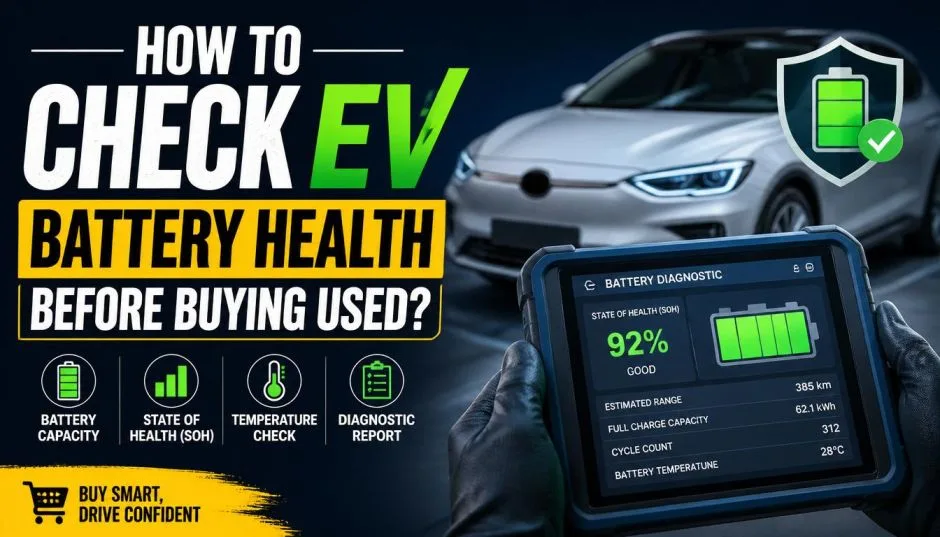
Protecting Your Battery Health
The battery is the heart of an electric car. Taking good care of it preserves your car's value and range.
-
Avoid Constant Full Charges: For daily use, it's often recommended to charge only to 80% or 90%. This reduces stress on the battery for a longer lifespan.
-
Minimize Fast Charging: While great for road trips, using DC fast chargers all the time can degrade the battery slightly faster. Using your home charger for daily needs is the gentler option.
-
Park in Moderate Temperatures: Extreme heat or cold can strain the battery. Parking in a garage when possible is beneficial.
Understanding Insurance and Resale Value
-
Insurance Costs: Insurance for an electric car can be slightly higher due to their advanced technology and repair costs. It is always wise to get a few insurance quotes before buying to understand the full cost.
-
Strong Resale Value: As technology improves and demand grows, many electric cars are holding their value very well. Some models even have higher resale value than their gas-powered rivals. This means more money back when it's time to sell or trade in.
Answering Your Questions About EV Costs
Let's tackle some common questions.
Are electric cars really cheaper in the long run?
For most drivers, yes. While the purchase price may be higher, the significant savings on fuel and maintenance, combined with available incentives, often make the total 5-year cost of ownership lower than a comparable gas car.
How much does it cost to charge an electric car at home?
The cost varies based on local electricity rates and the car's efficiency. On average, charging a typical EV at home costs the equivalent of about $1.20 per gallon of gasoline. Using off-peak rates can make it even cheaper.
What is the biggest cost saving with an electric vehicle?
For the average driver, fuel savings are consistently the largest area of savings, followed closely by reduced maintenance costs from the simpler electric drivetrain.
Do electric cars need special maintenance?
They need less overall maintenance. Key items are rotating the tires, checking the cabin air filter, topping up the windshield washer fluid, and occasionally having the battery cooling system checked. It's a much shorter list than for a gas car.
Expert Quote: "The economics of EV ownership are becoming undeniable. When you factor in the drastically lower 'refueling' costs, the near-elimination of routine engine maintenance, and available incentives, the payoff period is shorter than ever," says Sarah Chen, a sustainable transportation consultant.
The Bottom Line: A Smart Choice for Your Wallet
Exploring the world of electric car cost savings reveals a clear path. The journey starts with an investment but leads to consistent, year-after-year savings.
The benefits are clear: saying goodbye to gas stations and their unpredictable prices, enjoying simpler and cheaper maintenance, and taking advantage of helpful purchase incentives. Over the lifetime of the vehicle, these savings add up to a substantial amount.
For anyone considering their next vehicle, running the numbers is essential. Look beyond the sticker price. Calculate the potential fuel savings based on local electricity costs. Factor in the avoided maintenance. Research the available tax credits and rebates.
The result often points to an electric car not just as a cleaner choice, but as a genuinely smarter financial choice for the long road ahead.