Choosing a new car is a big decision. It is more than just picking a color. You are choosing a partner for your daily drives, family trips, and everything in between. Two of the most popular choices are SUVs and sedans. But which one is right for you? This guide will walk through the key differences in a simple, friendly way.
Think about the last time you were on the road. You probably saw many SUVs and sedans. They look different, but why? It is not just about style. Each type of vehicle is built for different kinds of lives and needs.
This comparison will cover space, driving feel, cost, and safety. The goal is to provide clear information to help make a confident choice.
Your Ultimate SUV vs Sedan Guide: Starting With the Basics
First, let us understand what these vehicles are. Knowing the basic shape and purpose of each is the first step.
A sedan is a classic car shape. It has a separate trunk, a lower roof, and usually seats five people. Picture a Toyota Camry or a Honda Civic. They are known for their smooth ride on paved roads.
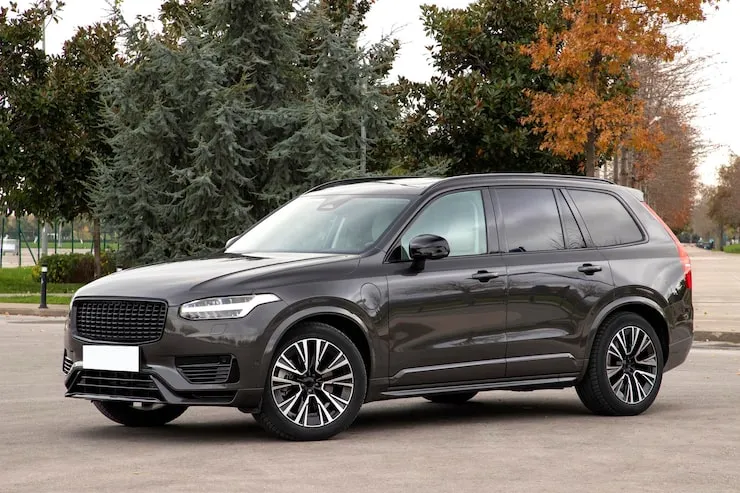
An SUV, which stands for Sport Utility Vehicle, is like a blend of a car and a truck. It sits higher off the ground and often has a more box-like shape. Think of a Honda CR-V or a Ford Explorer. They are designed to be more versatile for different terrains.
The fundamental difference is in their design philosophy. Sedans are built for efficiency and comfort on highways. SUVs are built for a higher seating position and more cargo flexibility.
Body Style and Road Presence: How They Look and Feel
The way a vehicle looks affects more than just style. It changes how you see the road and how others see you.
SUV Advantages:
-
Commanding View: The higher seating position gives a better view over traffic. Many drivers find this makes them feel more aware and secure.
-
Bold Styling: The taller, broader body of an SUV makes a strong visual statement. It often looks more rugged and substantial.
Sedan Advantages:
-
Sleek Profile: The lower, longer shape of a sedan cuts through the air more easily. This often leads to a quieter ride with less wind noise.
-
Easier Entry and Exit: The lower ride height means you simply step in and out. For some, this is easier than climbing up into an SUV or stepping down out of one.
A test drive quickly shows this difference. In an SUV, you look over more cars. In a sedan, you look through the windshield of the car ahead.
Comparing Interior Space: Cargo Room and Passenger Comfort
This is a major point of comparison. People often think "bigger outside means bigger inside." This is not always true.
Cargo Capacity:
-
SUV: This is often the winning category for SUV cargo space. The tall, hatchback-style rear door opens to a large, boxy area. Folding the rear seats flat can create a cavernous storage area. It is perfect for hauling bulky items like furniture, bicycles, or lots of luggage for a family vacation.
-
Sedan: The trunk is fixed and separate from the passenger cabin. This is great for keeping groceries or luggage out of sight. However, the opening is smaller, limiting what you can fit. A sedan's trunk might fit several suitcases, but an SUV can often fit those plus a large cooler and bags of sports gear.
Passenger Room:
-
Sedan Comfort: For legroom in the back seat, many sedans actually beat similarly priced SUVs. The lower floor can mean more space for feet. The seating position is often more comfortable for long trips.
-
SUV Flexibility: Many SUVs offer available third-row seating, turning them into 7-passenger vehicles. While that back row is often best for kids, it provides an option sedans simply cannot match. Headroom is also typically more generous in an SUV.
Driving Dynamics: Handling, Performance, and Fuel Economy
How a vehicle moves is crucial. The experience behind the wheel is very different.
Sedan Strengths:
-
Better Handling: With a lower center of gravity, sedans feel more planted and nimble around corners. They feel sportier and more connected to the road.
-
Superior Fuel Efficiency: Generally, sedans are lighter and more aerodynamic. This leads to better gas mileage for daily commuting. Over years of ownership, the savings on fuel can be significant.
SUV Considerations:
-
Confident Feel: The weight and height can make an SUV feel more stable in a straight line, especially on highways. Many modern SUVs handle very well for their size.
-
Fuel Economy Trade-off: Due to their size and weight, most SUVs use more fuel. However, hybrid SUV options are closing this gap quickly, offering impressive mileage.
For someone who enjoys the feel of driving, a sedan often provides a more engaging experience. For those who prioritize a sense of command and presence, the SUV wins.
Cost Analysis: Sticker Price and Long-Term Value
The price tag is just the beginning. The total cost of owning a vehicle includes many factors.
Initial Purchase Price:
Typically, a comparable SUV will have a higher starting price than a sedan. You are paying for the larger body, extra materials, and often more standard technology.
Ongoing Expenses:
-
Fuel Costs: As mentioned, sedans usually cost less to fill up over time.
-
Tires and Maintenance: SUV tires are often larger and more expensive to replace. Some routine maintenance can also cost slightly more.
-
Depreciation: This is how much value a car loses over time. Historically, some SUV body styles have held their value slightly better than sedans, but this varies greatly by brand and model.
It is wise to look at the total 5-year cost of ownership, not just the monthly payment.
Safety Features and Family-Friendly Considerations
Both vehicle types are very safe, but they achieve safety in different ways.
Modern Safety Tech:
Today, both SUVs and sedans come packed with advanced driver assistance features. These include automatic emergency braking, blind-spot monitoring, and lane-keeping assist. These systems are life-saving and are widely available across all body styles.
Physical Safety Differences:
-
SUV Pros: Their larger size and weight can provide an advantage in a crash with a smaller vehicle. The high seating position also helps drivers see potential hazards earlier.
-
Sedan Pros: A lower center of gravity makes a sedan less likely to roll over in an extreme maneuver—a key safety consideration for new drivers.
For families, an SUV's easier access to child seats and ability to carry more gear is a huge plus. As one automotive safety expert notes, "The safest car is the one that fits your lifestyle best, allowing you to be alert and not overstressed. For a large, active family, the practicality of an SUV can contribute to overall safety by reducing clutter and frustration."
The Lifestyle Match: Which Vehicle Fits Your Daily Life?
This is the most important question. The best choice is the one that fits how you live.
Choose an SUV if:
-
You have a large family or often drive groups of people.
-
You need to transport big, bulky items regularly (e.g., dogs, camping gear, DIY supplies).
-
You live in an area with rough roads, steep driveways, or frequent snow.
-
You simply prefer the higher, more commanding view of the road.
Choose a Sedan if:
-
You do a lot of city driving or long highway commutes and want the best fuel economy.
-
You prioritize a smooth, quiet, and sporty driving feel.
-
You mainly carry just one or two passengers.
-
You have a tight budget for both purchase price and ongoing fuel costs.
Think about your last month. How many times did you need extra space? How often did you wish for better mileage? Your own routine is the best guide.
Making Your Final Decision: A Simple Checklist
Before you visit a dealership, ask yourself these questions:
-
Passengers: How many people do I need to carry regularly?
-
Cargo: What is the largest item I need to carry every month?
-
Drive: Do I value a sporty feel or a commanding view more?
-
Budget: What is my total budget for payment, insurance, and gas?
-
Location: Are my roads paved and flat, or rough and hilly?
Answering these will point you in the right direction.
Frequently Asked Questions (FAQs)
Q: Are SUVs really safer than sedans?
A: It is not that simple. Modern sedans are extremely safe. SUVs are heavier, which can be an advantage, but their taller build can make them less agile. The best practice is to check safety ratings from the IIHS and NHTSA for the specific models you are considering.
Q: Which is better on gas, an SUV or a sedan?
A: In a direct comparison, a sedan will almost always have better fuel efficiency than a similarly powered SUV. However, a hybrid SUV can often match or beat the mileage of a non-hybrid sedan.
Q: Is an SUV harder to drive than a sedan?
A: Modern SUVs are very easy to drive. Their higher seating can actually make parking easier for some, as you can see the corners of the vehicle better. The main difference is feeling more body lean in corners compared to a sedan.
Q: Can a sedan handle well in snow?
A: Yes, absolutely. A sedan with a good set of all-season or winter tires will often perform better in snow than an SUV with standard tires. While SUVs often have available all-wheel drive, tire traction is the most critical factor for snow safety.
Q: Why are SUVs more popular than sedans right now?
A: It largely comes down to versatility. For many households, the SUV's combination of space, a higher driving position, and available all-wheel drive fits a busy, active lifestyle perfectly. Automakers have also responded by making SUVs more efficient and car-like to drive.
Choosing between an SUV and a sedan is a personal decision. There is no single "best" answer for everyone. The best vehicle is the one that makes your daily life easier, fits your budget, and brings you joy every time you get behind the wheel. Take this guide, think about your needs, and most importantly, take plenty of test drives. The right choice will quickly become clear. Happy car hunting