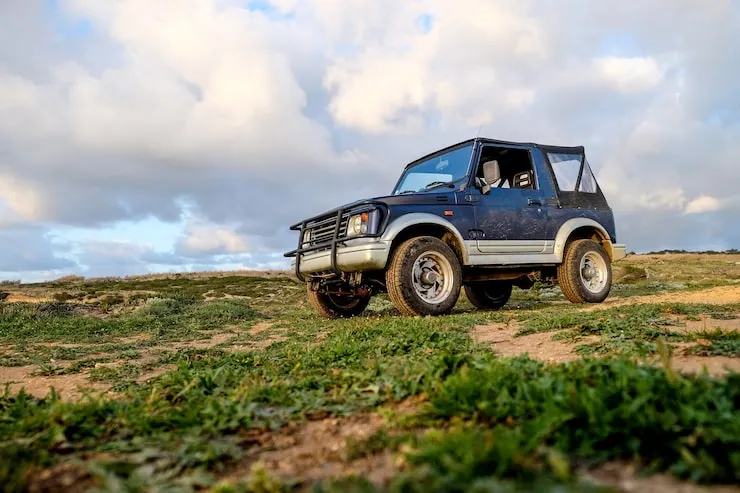
Driving off the beaten path is exciting. Mud, trails, and wide-open spaces are the perfect playground. But what happens if your vehicle gets damaged? Or if someone gets hurt? That’s where protection comes in. This guide will explain everything about keeping your adventure machine safe.
Regular car insurance often stops working the moment you leave the paved road. A special kind of policy is needed for these rugged machines. This article will be your friendly map through the world of protection for side-by-sides, ATVs, and other trail vehicles.
What Exactly is Off-Road Vehicle Insurance?
Think of it as a safety helmet for your vehicle’s finances. It is a specific type of policy made for machines not meant for public roads. These vehicles face unique risks like rollovers, rock damage, or getting stuck in remote places. A standard auto policy simply doesn’t cover those situations.
This special protection helps pay for repairs, medical bills, and even legal costs if you’re at fault in an accident. Whether you ride on sandy dunes, rocky mountain trails, or muddy forest paths, having the right coverage means you can focus on the fun.
Why a Standard Auto Policy Isn’t Enough
Your everyday car insurance is designed for highways and city streets. The rules and risks are different there. When you take your machine onto a trail, you are in a different world.
Most car insurance policies have something called a “territory clause.” This clause usually says coverage is only provided on “public roads and highways.” The second your tires touch a designated trail, private land, or sand dune, that coverage can vanish. Relying on a standard policy for off-road use is a major risk.
Your Complete Off-Road Vehicle Insurance Guide: Coverage Options
Let’s break down the different parts of a good policy. Knowing what each part does helps you build the perfect safety net.
Protection for Your Own Machine: Physical Damage Coverage
This is the part that pays to fix or replace your vehicle if it’s damaged. It’s often split into two main types:
-
Collision Coverage: This handles damage from accidents. That includes hitting a tree, rolling over, or colliding with another vehicle on the trail.
-
Comprehensive Coverage: This is for damage not caused by a crash. Think of it as “other-than-collision” protection. It covers things like:
-
Vandalism or theft from your garage or trailer.
-
Fire or hail damage.
-
Animal strikes, like hitting a deer on a trail.
-
Falling objects or tree limbs.
-
Protection for Others: Liability Insurance
This is one of the most important parts. If you accidentally cause injury to another person or damage their property, liability coverage helps pay those costs.
-
Bodily Injury Liability: If another rider or a bystander is hurt because of your actions, this helps pay for their medical expenses.
-
Property Damage Liability: This helps pay if you damage someone else’s property. This could be another person’s expensive side-by-side, a farmer’s fence, or even a campground structure.
Extra Safety Nets: Additional Coverages to Consider
A strong policy offers more than just the basics. Here are some key add-ons:
-
Uninsured/Underinsured Off-Road Vehicle Operator Coverage: Not everyone on the trail has proper insurance. If someone without coverage hits you, this part of your policy helps pay for your repairs and medical bills.
-
Medical Payments Coverage: This helps pay for medical or funeral expenses for you or your passengers after an accident, regardless of who was at fault.
-
Accessory Coverage: Riders often add custom parts like winches, light bars, or special wheels. Standard policies may not cover these. Accessory or custom parts coverage ensures your upgrades are protected.
-
Emergency Transport & Roadside Assistance: Getting stranded miles from a tow truck is a real concern. This coverage can help with trailside recovery, towing to a repair shop, or even delivering fuel.
An Off-Road Vehicle Insurance Guide to Finding the Right Policy
Getting the right protection doesn’t have to be confusing. Follow these simple steps.
How to Accurately Estimate Your Vehicle’s Worth
Insurance companies need to know your vehicle’s value to provide the right coverage. Be prepared with:
-
The make, model, and year.
-
The engine size (cc).
-
A list of all added aftermarket parts and accessories.
-
The purchase price and current condition.
An expert tip: Keep receipts for every upgrade. This makes it much easier to prove the value of your machine.
Smart Ways to Lower Your Insurance Bill
Good protection doesn’t have to break the bank. Here’s how to save:
-
Take a Safety Course: Many insurers offer discounts for completing an ATV or recreational vehicle safety course.
-
Bundle Your Policies: Often, you can get a discount by placing your off-road vehicle policy with the same company that insures your home, truck, or other vehicles.
-
Choose a Higher Deductible: Agreeing to pay a bit more out-of-pocket if you have a claim (your deductible) can lower your regular bill.
-
Store it Securely: Keeping your vehicle in a locked garage when not in use can also reduce your rate.
Expert Tips for Safe and Insured Riding
The best insurance claim is the one you never have to file. Safe riding is the first layer of protection.
-
Always Wear a Helmet: This is the single most important piece of safety gear. It significantly reduces the risk of serious head injury.
-
Know the Local Trail Rules: Different riding areas have different laws. Follow all posted signs and guidelines.
-
Never Ride Alone: Use the buddy system. If something goes wrong, having a friend there can be a lifesaver.
-
Perform a Pre-Ride Inspection: Check your tires, brakes, lights, and fluid levels before you head out. A well-maintained vehicle is safer and less likely to break down.
As one industry professional noted, “A proper insurance policy is as essential as your helmet. It’s the backup plan that lets you explore with confidence, knowing that a mishap won’t derail your finances or your passion for adventure.”
Frequently Asked Questions (FAQs)
Q: Is off-road vehicle insurance required by law?
A: It depends on where you ride. Most public trails and parks managed by states or the federal government require proof of liability insurance. Even on private land, if you cause an accident, you are financially responsible. So, while not always legally required everywhere, it is a very smart and responsible choice.
Q: Does my policy cover me if I trailer my vehicle to another state?
A: Most policies provide coverage anywhere in the United States. However, it’s always best to double-check with your insurance provider before a big trip to ensure there are no restrictions.
Q: What is the difference between insurance for an ATV and a UTV/Side-by-Side?
A: The main difference is often in the vehicle’s value and seating capacity. Side-by-sides are typically more expensive and carry more passengers, which can affect liability limits and premium costs. The core types of coverage, however, remain the same.
Q: Are racing and competitive events covered?
A: Generally, no. Standard recreational vehicle insurance policies exclude organized racing or timed competitive events. You would need to look into a specialized motorsports policy for that kind of activity.
Q: How do I file a claim if I have an accident on the trail?
A: First, ensure everyone is safe and get medical help if needed. If another party is involved, exchange information. Take photos of the scene, the vehicles, and any damage. Then, contact your insurance company as soon as you are able to report the incident and start the claims process.
Exploring the outdoors is about freedom and fun. Don’t let the worry of “what if” hold you back. By understanding and securing the right protection for your vehicle, you build a safety net that lets you tackle any adventure with peace of mind. Get the right coverage, ride safely, and enjoy the journey