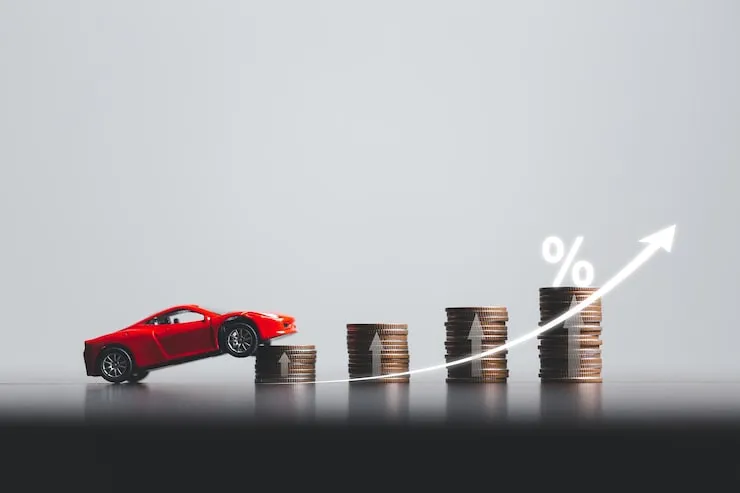
Buying a car is a big step. It's exciting! But paying for it can feel confusing. Most people don't pay with a big stack of cash. They use a loan. This is where understanding New vs Used Car Loans becomes super important.
Think of a car loan like borrowing money from a bank or credit union. You promise to pay it back over time, plus a little extra called interest. The kind of car you choose—brand new or pre-owned—changes the loan rules.
This New vs Used Car Loans Guide will break it all down in simple terms. The goal is to help you make a smart money choice.
Why Your Car Choice Changes Your Loan
The main difference is risk. A lender sees a new vehicle as less risky. It’s in perfect shape and worth a known amount. A used car has a history. It might have wear and tear. Because of this, the loans for each are structured differently.
Knowing these differences is key to saving money on your auto loan. It affects your monthly payment, how long you pay, and the total cost.
New vs Used Car Loans Guide: Understanding New Car Financing
Let's talk about loans for shiny new cars straight from the dealership.
What Makes New Auto Loans Different?
Financing a new vehicle often comes with special deals. Car makers want to sell their latest models. To help, they sometimes offer low interest rate offers through their finance companies.
These rates can be very low, sometimes even 0% for people with great credit. This is a big plus for new car financing. You’re also borrowing money for the full, original price of the car.
The Pros of Choosing a Brand New Car Loan
-
Lower Interest Rates: You often get the best auto loan rates for a new model.
-
Longer Loan Terms: You can often stretch payments over 6, 7, or even 8 years. This makes each monthly car payment smaller.
-
Warranty Protection: The car is covered for repairs for many years, saving future costs.
-
Latest Features: You get all the newest safety tech and gadgets.
The Cons of a New Car Loan
-
Fast Depreciation: A new car loses value quickly. In a few years, you might owe more on the loan than the car is worth. This is called being "upside-down."
-
Higher Overall Price: Even with a good rate, you're financing a larger amount. The total loan cost can be high.
-
More Expensive Insurance: Insuring a new car usually costs more than a used one.
The Used Car Loan Handbook: Financing Pre-Owned Vehicles
Now, let's look at the world of used car loans. This is how most people buy a car.
Key Facts About Pre-Owned Auto Financing
Loans for secondhand cars work a bit differently. Lenders see them as a bigger risk. Because of this, the interest rates for used cars are usually higher than for new ones.
The loan also depends heavily on the car's age and mileage. A lender won't loan you more than what they think the car is worth.
Advantages of Getting a Used Vehicle Loan
-
Lower Purchase Price: This is the biggest benefit. You borrow less money overall.
-
Slower Depreciation: A used car has already taken its biggest value drop. It loses value much slower.
-
Lower Insurance Costs: Your auto insurance premiums will likely be cheaper.
-
More Car for Your Budget: That lower price might let you afford a nicer model or more features.
Challenges with Used Auto Lending
-
Higher Interest Rates: You'll likely pay a higher rate, which adds to the total cost of borrowing.
-
Shorter Loan Terms: Lenders may offer shorter terms, like 3-5 years. This means a higher monthly payment compared to the car's price.
-
Unknown History: There's always a small risk of problems unless you get a certified pre-owned (CPO) vehicle.
-
Out-of-Warranty Repairs: You might need to pay for repairs out of pocket if the factory warranty has expired.
What does this show? The new car loan has a lower monthly payment and less interest. But wait! The story isn't complete. That new car will be worth much less than $25,000 in just a few years. The used car likely held its value better. The true cost of ownership includes depreciation, not just the loan.
How to Secure the Best Loan Possible
No matter your choice, these tips help you get a good deal.
Check Your Credit Score First
Your credit score impact on a car loan is huge. A higher score gets you lower rates. Check your score for free before you shop. Knowing your score helps you find the best car loan rates you qualify for.
The Power of a Down Payment
Putting money down is one of the smartest moves. A down payment on a car loan reduces the amount you borrow. This means lower payments and less interest. It also helps you avoid being upside-down on your loan.
Get Quotes from Multiple Lenders
Don't just use the dealership's finance office. Shop around!
-
Banks and Credit Unions: Often have great auto loan rates.
-
Online Lenders: Quick and easy to compare.
-
Dealership Financing: They might have special offers.
Getting multiple loan offers lets you choose the best one. This is called loan shopping.
Read the Fine Print
Understand all the car loan terms and conditions. Look for:
-
The interest rate (APR).
-
The length of the loan.
-
Any fees.
-
The total amount you will pay back.
Smart Tips for Your Car Buying Journey
-
Set a Budget First: Use an auto loan calculator online. Figure out what monthly payment you can comfortably afford, including insurance and gas.
-
Consider Total Cost: Think about depreciation, insurance, taxes, and maintenance, not just the loan payment.
-
Get Pre-Approved: Get a pre-approved car loan from your bank before visiting a dealer. It gives you bargaining power and sets a clear budget.
-
For Used Cars: Always get a vehicle history report and a mechanical inspection by a trusted mechanic. It’s worth the cost.
Frequently Asked Questions (FAQs)
Q: Is it easier to get approved for a new or used car loan?
A: It can be easier for a new car because lenders have more confidence in its value. However, approval depends more on your credit, income, and down payment.
Q: What is a good interest rate for a car loan?
A: It changes, but a rate at or below the national average is good. As of [Note: You should update this with a recent year], rates for new cars averaged around 4-6%, and used cars 6-8% for borrowers with good credit. Always aim for the lowest you can get.
Q: How much should I put down on a car?
A: A down payment of at least 10% is a good start. For a used car, 15-20% is even better. It gets your loan off to a strong start.
Q: What does 'certified pre-owned' (CPO) mean for a loan?
A: CPO cars are late-model used cars inspected and refurbished by the manufacturer. They often come with an extended warranty. Because they are lower risk, lenders may offer slightly better loan rates on CPO cars than on other used cars.
Q: Can I pay off my car loan early?
A: Usually, yes! Paying extra each month or making a lump sum payment can save you money on interest. First, check your loan agreement to make sure there is no prepayment penalty.
Expert Insight
"Choosing between new and used isn't just about the car—it's about your financial roadmap. A new car with a 0% offer can be a mathematically sound choice if you keep it long-term. But for most people seeking pure value, a 2-3 year old used car is the financial sweet spot. It has already absorbed the steepest depreciation but still feels new and reliable. Always run the numbers for the total cost, not just the monthly payment."
— Jordan Lewis, Certified Financial Planner with 15 years in automotive finance.
Final Thoughts
There is no single "right" answer in the New vs Used Car Loans debate. The best choice depends on your budget, your needs, and what you value most.
Do you love having the very latest technology and don't mind the cost? A new car loan might fit. Is your main goal to keep costs low and get reliable transportation? A used car loan is probably the smarter path.
Use this New vs Used Car Loans Guide as your starting point. Do your research, compare loan options, and make the choice that feels right for your wallet and your life. Happy car hunting