Choosing a new car can be exciting! With so many options, it's easy to feel a little lost. Two popular choices today are hybrid vs electric cars. They are both great for saving fuel and helping the planet. But they work in very different ways. This guide will explain everything in simple terms.
Think of it like choosing between two types of eco-friendly superheroes. One uses teamwork, and the other uses pure, clean power. Let's find out which one might be your perfect match.
What is a Hybrid Car? A Team of Two Engines
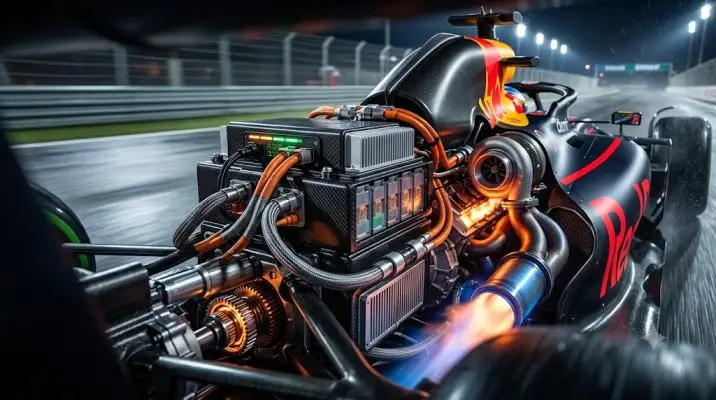
A hybrid car is like a car with a best friend. It has two power sources working together: a gasoline engine and an electric motor. They are a fantastic team!
Here’s how they work:
-
At low speeds, the car often uses just the electric motor. This is very quiet and efficient.
-
When more power is needed, like speeding up on a highway, the gasoline engine joins in.
-
When you brake, the car captures that energy to recharge its small battery. This smart process is called regenerative braking.
You never have to plug in most hybrids. The car takes care of its own charging. This makes hybrids a very easy first step away from a regular gas car.
Types of Hybrid Vehicles Available
Not all hybrids are the same! Knowing the differences helps.
-
Full Hybrid Cars: These can drive short distances on electric power alone. A Toyota Prius is a famous example.
-
Plug-In Hybrid Electric Vehicles (PHEVs): These have a bigger battery. You can plug them in to charge. This lets you drive longer distances, like 20-50 miles, using only electricity. After that, they act like a regular hybrid.
-
Mild Hybrid Systems: These use a smaller electric motor to assist the gas engine. They can't drive on electricity alone but help save fuel.
What is an Electric Car? Pure and Simple Electric Power
An electric car, or EV (Electric Vehicle), is simpler. It runs only on a large battery pack and an electric motor. There is no gasoline engine at all.
This means:
-
Zero tailpipe emissions. They don't produce any exhaust, which is cleaner for our air.
-
They need to be plugged in to charge, just like a big smartphone or laptop.
-
They are very quiet and have super smooth acceleration.
Driving an electric car feels different—in a good way! It’s quiet, powerful from the moment you press the pedal, and you never need to visit a gas station.
Understanding EV Charging and Range
"Range anxiety"—worrying about the battery running out—is a common concern. But it's getting easier every day.
-
Charging at home is the most convenient method. You can use a standard wall outlet or a faster home charging station.
-
Public charging networks, like Tesla Superchargers or Electrify America stations, are growing fast. They can charge a battery to 80% in often 30 minutes or less.
-
The average range of new electric cars is now well over 200 miles. Many go much farther on a single charge.
Hybrid vs Electric Cars: A Side-by-Side Comparison
Let's put them next to each other to see the key differences.
| Feature | Hybrid Car | Electric Car (EV) |
|---|---|---|
| Power Source | Gasoline Engine + Electric Motor | Large Battery + Electric Motor |
| Refueling | Gas Stations | Charging Stations & Home Outlets |
| Emissions | Lower than gas cars | Zero tailpipe emissions |
| Upfront Cost | Generally lower than EVs | Typically higher, but incentives help |
| Driving Experience | Very familiar, quiet at low speeds | Very quiet, instant power, smooth |
| Maintenance | Lower than gas cars (less brake wear) | Lower maintenance costs (fewer parts) |
Fuel Efficiency and Environmental Impact
Both are winners for the planet compared to traditional cars, but in different ways.
Hybrids are fuel-efficient vehicles. They use less gasoline by recycling energy. This means fewer trips to the pump and lower carbon emissions. They're a solid step toward reducing your carbon footprint.
Electric Cars have the biggest environmental advantage. Their total emissions depend on how the local electricity is made. If your power comes from renewable energy sources like wind or solar, your drive is almost 100% clean. Even on average U.S. electricity, EVs are much cleaner over their lifetime.
Cost Analysis: Purchase Price and Long-Term Savings
Money matters! Let's break down the costs.
Hybrid cars usually have a purchase price that's a bit higher than a similar gas car, but lower than an EV. You save money over time by buying less gasoline.
Electric cars have a higher sticker price. However, government tax credits for EVs can knock thousands off the cost. The real savings come later:
-
Cheaper to "fuel": Electricity costs less than gasoline per mile.
-
Lower maintenance: No oil changes, no exhaust system repairs, fewer moving parts to break.
-
Many states offer extra perks like HOV lane access or reduced registration fees.
Driving Experience and Performance
Which one is more fun to drive?
Hybrids drive very much like regular cars, just quieter in neighborhoods. The switch between gas and electric is usually seamless.
Electric cars offer a unique behind-the-wheel experience. The instant torque from electric motors means they accelerate quickly and smoothly. The cabin is extremely quiet, making for a very relaxing ride. It's a feeling many drivers love once they try it.
Daily Life: Convenience and Charging vs. Refueling
Think about your daily routine.
With a hybrid, life doesn't change much. You fill up at any gas station in five minutes and drive anywhere. It's the ultimate in convenience and long distance travel capability with no new habits needed.
With an EV, you need a charging routine. Most owners charge overnight at home, waking up to a "full tank" every morning. For longer trips, you plan stops around fast charging stations. Apps in the car make this easy. For people with a home charging setup, daily life is actually more convenient—no more gas station stops!
FAQs: Hybrid vs Electric Cars
Q: Which is better for long road trips right now?
A: For very long trips with limited charging options, a hybrid (especially a plug-in hybrid) offers more flexibility. However, the EV charging infrastructure is expanding rapidly, making cross-country EV trips more feasible every year.
Q: Do electric cars work in cold weather?
A: Yes, but cold temperatures can reduce their driving range temporarily. Using the heater uses battery power. Most EVs have features to pre-warm the cabin while still plugged in, which helps save range for driving.
Q: How long do the batteries last?
A: Both hybrid and electric car batteries are designed to last a very long time. Most come with warranties of 8-10 years or 100,000 miles. They don't just stop working; they slowly hold less charge over many, many years.
Q: Are hybrids just a temporary technology?
A: Many experts see them as a crucial transition technology. They help people save fuel and reduce emissions now while the charging network for EVs grows. For some drivers, they are the perfect long-term solution.
Expert Opinions on the Future
What do the pros think?
-
An automotive engineer might say: "The simplicity of the electric drivetrain is revolutionary. Fewer parts mean more reliability and new possibilities in car design."
-
An environmental policy analyst could note: "For immediate emissions reduction, plug-in hybrids and EVs are key. The goal is to ensure our electricity grid gets cleaner, which makes every EV even greener."
-
A long-time car reviewer often observes: "Drivers who try a good EV are often surprised by how much they enjoy it. The smooth, quiet power and low running costs are a game-changer."
Making Your Choice: Which Car is Right For You?
So, hybrid vs electric cars—which wins?
Consider a Hybrid if:
-
You take frequent, very long road trips through areas with few chargers.
-
You don't have easy access to home charging (like in an apartment).
-
You want significant fuel savings without changing your habits.
Consider an Electric Car if:
-
You can charge at home most of the time.
-
Your daily drive is well within the car's range (which is true for most people).
-
You want the lowest environmental impact and operating costs.
-
You enjoy the latest technology and a quiet, powerful drive.
The best car is the one that fits your life. Both a hybrid and an electric car are smart, efficient choices that are better for your wallet and our planet than a traditional gasoline car. The future of driving is exciting, and you're in a great position to be part of it