Choosing a new car is exciting. But it can also be confusing, especially with so many options. Two popular choices today are electric vehicles (EVs) and hybrid cars. Many people wonder which one is better for their wallet. This guide will walk you through a real-world EV vs Hybrid cost comparison. We will look at the money you spend upfront and over time. Let's find out which vehicle might save you more.
Starting with the Sticker Price
When you first look at cars, the price on the window is important. This is called the Manufacturer's Suggested Retail Price (MSRP).
Generally, hybrid cars often have a starting price that is closer to a regular gasoline car. You might pay a little more than a non-hybrid version, but it's usually not a huge jump.
Electric vehicles tend to have a higher starting price. The battery technology is still expensive. However, it's important to know about government incentives. Many countries and states offer tax credits for electric cars and rebates. These can lower the final price you pay by thousands of dollars. Always check for EV purchase incentives in your area before deciding.
The Ultimate EV vs Hybrid Cost Comparison Guide: Fueling Up
This is where things get interesting. The cost to power your car is a big part of your budget.
Electricity vs. Gasoline: The Daily Battle
Hybrid fuel economy is very good. These cars use a small battery and an electric motor to help the gasoline engine. This means you visit the gas station less often. A hybrid might get 50 miles per gallon (MPG) or more. Your gasoline car running costs will be much lower with a hybrid.
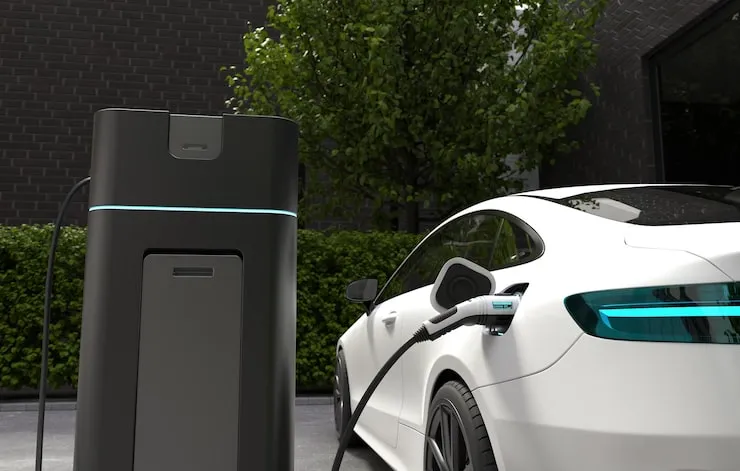
Electric vehicle charging costs work differently. You don't buy gasoline. You charge the battery with electricity. The cost depends on your local electricity rates and when you charge. Charging overnight at home is often cheapest. Many public charging stations cost more, especially fast ones. Overall, powering an EV with electricity is almost always cheaper per mile than buying gas for a hybrid. It's like comparing the cost of a homemade meal to restaurant takeout every day.
EV vs Hybrid Cost Comparison Guide for Maintenance
Cars need check-ups and repairs. The complexity of the engine changes the cost.
Why Simpler Mechanics Can Save Money
Hybrid car maintenance is similar to a regular car. It still has an engine, oil, and brakes. However, because the electric motor helps, there may be less wear on the brakes and engine over time.
EV maintenance savings are a major benefit. A pure electric vehicle has far fewer moving parts. No engine oil to change. No spark plugs. No exhaust system. This leads to much lower maintenance costs for electric cars. You'll mainly need to care for tires, windshield wiper fluid, and cabin air filters. This simplicity is a big long-term money-saver.
Thinking About the Long Haul: Resale Value
What will your car be worth in 5 years? This is called depreciation or resale value.
Future Value of Electric and Hybrid Cars
Predicting future car value is tricky. Technology changes fast. Today, some EVs are holding their value very well. This is due to high demand and battery durability. Brands with strong reputations tend to do better.
Hybrids have been around longer. Their resale value for hybrids is often stable and predictable. They are a trusted technology for people wanting better fuel economy without going fully electric.
A good rule is to research specific models. Look at sites that track used car prices to see how similar vehicles have done over time.
Hidden Costs and Pleasant Surprises
Our EV vs Hybrid cost comparison must look at all the angles.
Insurance, Taxes, and Registration
Electric car insurance rates can be higher. Repair costs for advanced technology and batteries are still being figured out by insurance companies. Always get a specific quote for the model you want.
Some states offer perks for green vehicles. You might get a break on your annual registration fees for EVs. Sometimes hybrids get this too. Check your local Department of Motor Vehicles (DMV) website.
The Home Charging Factor
For an EV, charging at home is a game-changer. You need to think about home charging station installation. There is an upfront cost for the equipment and an electrician. But once it's installed, the convenience and low cost of "fueling" at home are huge benefits. Think of it as an investment that pays you back every night.
Which is Right for Your Life?
Cost isn't everything. How you live matters too.
Daily Driving Range and Road Trips
Do you take long trips often? A hybrid's long-distance capability is just like a regular car. You fill up with gas in minutes and keep going. This is a big advantage for some.
EV range anxiety is becoming less of an issue. Most new EVs can go over 200 miles on a charge. Some go 300 miles or more. For daily commuting and errands, this is plenty. For road trips, you need to plan your route around public EV charging networks. Stops will be longer than a gas station visit. It's a different way to travel.
Environmental Impact and Incentives
Both vehicles are greener than standard cars. A hybrid reduces gasoline consumption. An EV, especially if charged with renewable energy, has a very low carbon footprint from driving. Many people choose them for this reason, along with the long-term ownership savings.
Expert Opinions on the Cost Debate
Hearing from professionals can help. We asked a few for their thoughts.
"From a total cost of ownership perspective, EVs are increasingly competitive," says Sarah Chen, an automotive analyst. "The savings on fuel and maintenance often outweigh the higher purchase price within a few years for the average driver."
Mike Torres, a master hybrid technician, adds, "Hybrids are a fantastic 'best of both worlds' solution right now. They offer significant fuel savings without changing habits, and their proven reliability makes their 5-year cost very attractive."
FAQs: Your Quick Questions Answered
Q: Is it cheaper to own an EV or a hybrid?
A: It depends on your driving and where you live. Often, an EV has higher upfront costs but lower fueling and maintenance costs. A hybrid has a lower upfront cost and very good fuel savings. For high-mileage drivers, an EV often wins over 5+ years.
Q: Are hybrid cars cheaper to maintain than EVs?
A: Generally, no. EVs have fewer parts that can wear out, leading to lower routine maintenance costs. Hybrids have both an engine and electric motor, so they can have more maintenance needs than a pure EV.
Q: How much does it cost to replace a hybrid or EV battery?
A: Battery replacement is expensive but rare. Most manufacturers warranty the battery for 8-10 years. Data shows these batteries often last longer than the car itself. The cost has been dropping every year.
Q: Which is better for city driving?
A: Both are excellent. Hybrids excel in stop-and-go traffic by using the electric motor more. EVs are perfect for city driving due to quiet operation, instant power, and cheap home charging.
Making Your Smart Money Decision
So, who wins the EV vs Hybrid cost comparison?
For the lowest total cost over many years, a purely electric vehicle often comes out ahead. This is true if you can charge at home and don't frequently take very long trips. The savings on electricity vs gasoline prices and simple maintenance add up.
For the easiest transition without range worries, a hybrid vehicle is a brilliant choice. You get much better fuel efficiency than a regular car, with no new habits to learn. The costs are predictable and stable.
The best choice is the one that fits your budget, your driveway, and your adventures. Test drive both. Do the math for your own life. Whichever you choose, you're making a smart, efficient decision for your wallet. Happy driving