Keeping a car running well does not have to be confusing or scary. Think of a car like a pet. It needs regular food, water, and check-ups to stay happy. Giving a car this care prevents big problems later. It also keeps everyone safe on the road. This guide is a simple, friendly map for taking care of any car.
Using a regular car maintenance checklist is the best way to stay on track. It turns a big job into small, easy steps. Let’s learn what to do and when to do it.
Your Foundational Car Maintenance Checklist Guide: Fluids Are Life
A car’s fluids are like its blood and water. They must be clean and full. Checking these every month is the most important habit.
-
Engine Oil: This oil lubricates the engine’s moving parts. Check engine oil levels monthly. The oil should be amber in color, not black or gritty. Most cars need an oil and filter change every 5,000 to 7,500 miles. Your owner’s manual gives the exact schedule.
-
Coolant: This fluid keeps the engine from overheating. The coolant level should be between the "min" and "max" marks on the reservoir. Never open the radiator cap when the engine is hot!
-
Windshield Washer Fluid: This is for cleaning the windshield. It is simple but very important for good visibility. Top it off whenever it is low.
-
Brake Fluid and Power Steering Fluid: These are also in reservoirs under the hood. A quick visual check to ensure they are at the proper level is part of a good routine vehicle inspection.
Stopping and Going: Tires and Brakes
These are the parts that keep you safe. They connect the car to the road and make it stop.
-
Tire Pressure and Tread: Check tire pressure monthly when the tires are cold. Use a simple gauge. The correct pressure is on a sticker inside the driver’s door. Also, do the "penny test for tire tread." Put a penny into the tread groove with Lincoln's head upside down. If you can see all of his head, the tires are too worn and need replacing.
-
Brake Pads and Rotors: Listen for new sounds. A high-pitched squeal or grinding noise when braking often means the brake pads are worn. Have a mechanic check the brake system during every oil change.
Seeing and Being Seen: Lights and Visibility
You must see the road, and others must see you.
-
Exterior Lights: Every month, check all lights. This includes headlights (high and low beam), brake lights, turn signals, and reverse lights. Ask a friend to help or test them against your garage door.
-
Wipers and Blades: If wipers streak or skip, they need replacing. Changing wiper blades is easy and cheap. Do it every 6-12 months for a clear view in rain or snow.
-
Windshield: Look for small chips or cracks. Fix them quickly before they spread and become a bigger, more expensive problem.
Under the Hood: Belts, Batteries, and Air Filters
Pop the hood and look for these key items.
-
Serpentine Belt: Look for a long, rubber belt on the side of the engine. Check for cracks, fraying, or glazing. A broken belt can leave you stranded.
-
Car Battery: Most batteries last 3-5 years. Signs of a weak car battery include a slow engine crank or dim headlights. Keep the battery terminals clean from corrosion.
-
Engine Air Filter: A clean filter helps your car breathe and perform better. Check it every 12 months or 12,000 miles. A dirty air filter replacement is a quick, do-it-yourself task.
Your Seasonal Car Maintenance Checklist Guide
Some tasks are extra important at certain times of year.
Preparing Your Car for Winter
Cold weather is tough on cars. A winter car care checklist is crucial.
-
Check Antifreeze Levels: Ensure the coolant mixture is strong enough to prevent freezing.
-
Install Winter Tires: In snowy areas, winter tires provide much better traction than all-season tires.
-
Inspect the Heater and Defroster: Make sure they work well before you need them.
-
Prepare a Winter Emergency Kit: Include a blanket, flashlight, small shovel, and kitty litter for traction.
Getting Ready for Summer Road Trips
Heat can also cause problems. Follow this summer vehicle maintenance list.
-
Test the Air Conditioning: Make sure it blows cold air.
-
Check Cooling System Hoses: Look for leaks, cracks, or bulges.
-
Ensure Tires are Ready for Heat: Hot roads can make under-inflated tires more likely to fail.
The Expert’s Corner: Professional Help is Key
While many checks can be done at home, a professional mechanic is your partner.
-
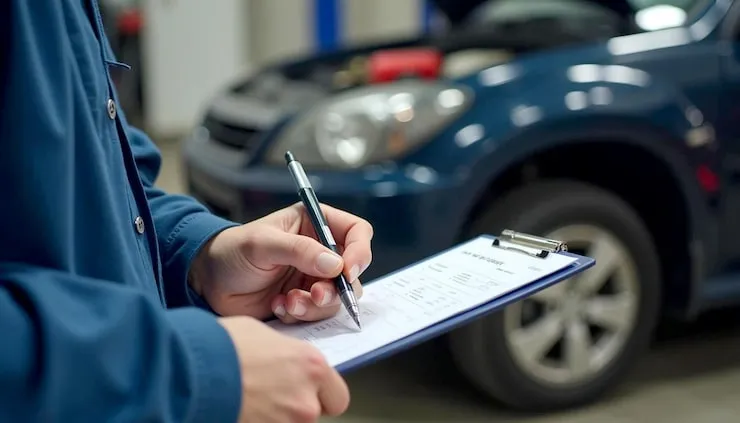
Regular Professional Inspections: Even with a good personal checklist, have a trusted mechanic do a full professional car inspection at least once a year. They can spot issues you might miss.
-
Following the Manufacturer’s Schedule: Your car’s manual has an official manufacturer-recommended maintenance schedule. This is the ultimate guide for your specific vehicle.
Expert Quote: "The biggest mistake I see is waiting for a problem to happen," says Michael Rodriguez, a master technician with over 20 years of experience. "Adhering to a proactive automotive upkeep schedule based on your owner's manual is far cheaper than emergency repairs. It’s the difference between a $50 service and a $5000 engine replacement."
FAQs: Your Car Care Questions, Answered
Q: How often should I really change my oil?
A: The old rule was every 3,000 miles. Modern cars and oils often allow 5,000 to 10,000 miles. Always check your owner’s manual for the best answer for your car.
Q: Can I do my own basic car maintenance?
A: Absolutely! Tasks like checking fluids, tire pressure, changing wiper blades, and replacing an air filter are great places to start. You’ll save money and understand your car better.
Q: What’s the one thing I should never skip?
A: Oil changes. Clean oil is the single most important thing for a long engine life. It’s the easiest way to prevent the most expensive repairs.
Q: My dashboard has a warning light. What do I do?
A: Do not ignore it! A yellow light means "investigate soon." A red light means "stop safely and investigate immediately." Check your manual to understand what the specific light means.
Building Your Own Habit
The goal is not to be a mechanic. The goal is to be a responsible car owner. Print out a car maintenance checklist and keep it in your glove box. Set calendar reminders on your phone for monthly checks. A little bit of regular attention builds a habit that saves money, stress, and most importantly, keeps you and your passengers safe for every journey. Start your preventative auto care routine today