Driving through sunshine, snow, and everything in between is a part of life. But just like we need different clothes for different seasons, our cars need special care to handle tough weather. This guide will walk you through simple steps to get your car ready for any condition. Think of it as a weather-proofing plan for your vehicle.
Why Weather-Specific Car Care Matters
A car is a complex machine with thousands of parts. Heat, cold, rain, and ice affect these parts in different ways. Rubber hoses can crack in the heat. Batteries can struggle in the cold. Oil can thicken or thin out. Proactive vehicle maintenance means checking things before bad weather hits. This prevents breakdowns and keeps everyone safe. It's always better to be prepared than to be stuck on the side of a snowy road.
Your Seasonal Car Maintenance for Extreme Weather Guide
This section breaks down exactly what to check as the seasons change. Following this seasonal auto maintenance checklist will give you peace of mind all year long.
Getting Ready for Scorching Summer Heat
Summer is hard on cars. High temperatures can cause overheating and damage. Here’s your summer car care plan.
-
Check the Cooling System: This is your car's air conditioner! The engine coolant level should be full. Look at the overflow tank when the engine is cool. If it's low, add the correct type of coolant. It’s also smart to have a mechanic check the radiator hoses for cracks or leaks every few years.
-
Test the Air Conditioning: Don’t wait for the first hot day. Turn on your AC early in the season. If the air isn’t cold, it might need a recharge. A working AC helps prevent driver fatigue on long, hot drives.
-
Watch Your Tires: Hot pavement makes air inside tires expand. Check your tire pressure often, including the spare. Use the recommended pressure found on the sticker inside your driver's door. Also, look at tread wear. Worn-down tires are more likely to blow out in the heat.
-
Protect Your Interior: Park in the shade or use a sunshade. This protects your dashboard and seats from cracking and fading. It also keeps the steering wheel from getting too hot to touch!
Preparing for Freezing Winter Conditions
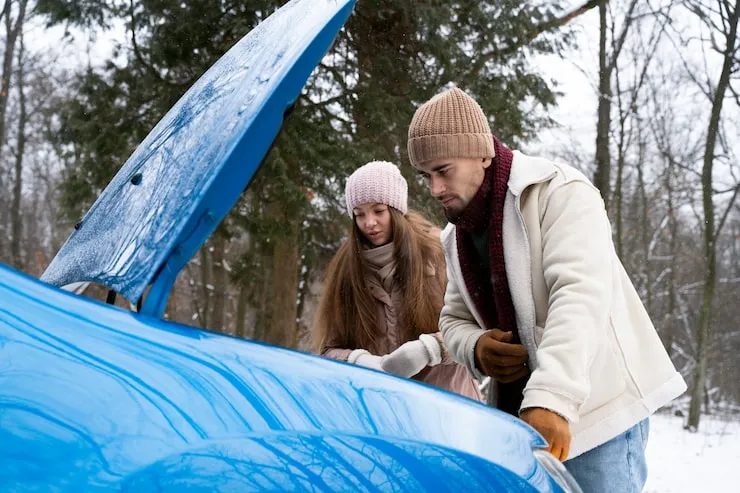
Cold weather is a car's biggest challenge. It makes engines hard to start and roads slippery. Winterizing your vehicle is a must.
-
Battery Health is Key: Cold weather slows down the chemical reaction inside a car battery. A battery that was fine in summer might fail in winter. Have a mechanic test your car battery and charging system. Clean any corrosion from the battery terminals.
-
Switch to Winter Windshield Washer Fluid: Regular fluid can freeze solid. Use a winter-grade washer fluid that won’t freeze on your windshield. Keep an extra bottle in the trunk.
-
Consider Winter Tires: All-season tires get hard in the cold. Winter or snow tires are made from a special rubber that stays soft. This gives you much better traction on ice and snow. They are a major safety upgrade.
-
Check Your Antifreeze: Antifreeze is another name for engine coolant. It needs to be strong enough to not freeze in your engine. A mechanic can test its strength with a simple tool.
Navigating Heavy Rain and Floods
Rain reduces visibility and makes roads slick. Preparing your car for storms is about seeing and being seen.
-
Inspect Windshield Wipers: Worn wiper blades will streak and make it hard to see. Replace them at least once a year. If they chatter or smear, it’s time for new ones. Also, make sure your windshield washer reservoir is full.
-
Check Tire Tread Depth: Tires channel water away to keep grip. Bald tires can cause hydroplaning, where your car skims on top of water. Use the penny test: insert a penny into the tread with Lincoln's head down. If you can see all of his head, your tread is too low.
-
Ensure All Lights Work: Turn on your headlights, taillights, brake lights, and turn signals. Have someone walk around the car to check, or look at their reflection at night. You need to see and be seen in a downpour.
Essential Emergency Kit for Weather Breakdowns
Even with perfect preparation, things can happen. A well-stocked car emergency kit can turn a scary situation into a manageable one.
-
Basic Supplies: A flashlight, batteries, jumper cables, basic tools, and a first-aid kit.
-
Weather-Specific Items: In winter, add a blanket, gloves, hat, and a small shovel. In summer, pack extra water.
-
Safety Items: Reflective triangles or flares to warn other drivers. A portable phone charger is a modern essential.
-
"Every driver's goal is to avoid using their emergency kit," says mechanic and auto safety expert, Maya Rodriguez. "But having it means you've thought ahead. It’s not just about fixing the car; it’s about staying safe and warm until help arrives."
Long-Term Protecting Your Car from Weather Damage
Beyond seasonal checks, a few habits can protect your car's looks and value from weather all year.
-
Regular Washes: Dirt, road salt, and bird droppings can damage paint. Washing your car, especially the underside in winter, removes these harmful materials.
-
Wax for Protection: A good coat of wax acts like sunscreen for your car's paint. It protects against harsh sun and helps water bead off.
-
Park Smart: Whenever possible, park in a garage or under cover. This protects your car from sun, hail, and falling tree branches during storms.
FAQs: Car Maintenance for Extreme Weather
Q: How often should I check my tire pressure?
A: It's best to check at least once a month and always before a long trip. Temperature changes cause pressure to go up and down.
Q: What's the most important thing to do for winter driving?
A: The single best thing is to install four winter tires. They provide significantly more grip on cold, icy, and snowy roads than all-season tires.
Q: Can I use water instead of coolant in my radiator?
A: No. Water can freeze in winter and boil over in summer. Coolant (antifreeze) is specially designed to handle extreme temperatures and protect your engine.
Q: How do I know if my battery is dying?
A: Signs include slow engine cranking when starting, dim headlights when the car is idling, and the check engine or battery warning light on your dashboard.
Q: When should I replace my windshield wipers?
A: A good rule is to replace them every 6 to 12 months. If they are streaking, squeaking, or not clearing the glass smoothly, replace them immediately.
Getting your car ready for extreme weather doesn't have to be complicated. By following this simple, seasonal checklist, you can drive with confidence. You’ll know your vehicle is prepared for whatever the sky brings. A little bit of care goes a long way in keeping you safe, saving you money on repairs, and making every journey smoother.