Electric cars are amazing! They are quiet, fun to drive, and great for our planet. But instead of a gas tank, they have a big, powerful battery. Taking care of this battery is the key to keeping your car happy for many years and many miles. This guide will explain everything you need to know about EV battery maintenance in simple, easy steps.
Think of your EV's battery like a smartphone battery, but much bigger and smarter. With a little bit of knowledge and some good habits, you can help it stay healthy. Good battery care for electric vehicles means more miles per charge, a longer life for your car, and better value when it's time to sell.
Your EV Battery Maintenance Guide: Why It Matters
You don't need to be a mechanic to take good care of your EV battery. Modern batteries are designed to last. However, how you charge and drive can have a big impact. Proper electric car battery upkeep helps prevent something called "range anxiety" – that worry about running out of power. It also saves you money by protecting the most expensive part of your car.
A well-maintained battery doesn't just work better; it lasts longer. Most EV makers give a warranty for 8 years or 100,000 miles on their battery packs. By following this EV battery maintenance guide, you're helping your battery live a long, healthy life well beyond that.
Understanding Your EV's Power Source: The Battery Pack
First, let's understand what we're caring for. Most electric cars use a Lithium-ion battery pack. You've used these in your phone and laptop. They are great because they hold a lot of energy for their size. The pack is made of hundreds of small battery cells grouped together. A computer, called the Battery Management System (BMS), watches over every cell. It makes sure they all charge and discharge safely and evenly.
The BMS is the brain, and our habits help the brain do its job. Our goal is to avoid things that stress the battery, like extreme heat, extreme cold, or always charging to 100%.
Daily Driving Habits for Optimal Battery Health
How you drive and use your car every day is the first part of EV battery preservation.
-
Use Regenerative Braking: This is one of the coolest features of an EV! When you lift your foot off the accelerator, the electric motor runs in reverse to slow the car. This action creates electricity and sends it back to the battery. It's like getting a tiny bit of free charge every time you slow down. Using this feature saves your physical brakes and puts energy back into the battery.
-
Avoid Constant Fast Acceleration: Just like sprinting everywhere is tiring for a person, rapid acceleration pulls a huge amount of power from the battery very quickly. It's fun sometimes, but a smooth, steady driving style is much easier on the battery's longevity.
-
Precondition Your Cabin While Plugged In: On a very hot or cold day, use your car's app to turn on the air conditioning or heater while the car is still plugged in. This warms up or cools down the cabin using power from the wall, not from the battery. It makes the drive more comfortable and saves your battery charge for driving.
The Golden Rules of EV Charging Practices
Charging is where you have the most control over prolonging EV battery life. It's not just about plugging in; it's about how you charge.
-
The 20-80% Rule is Your Friend: For daily use, try to keep your battery state of charge between 20% and 80%. Think of it like not filling a cup to the very top or letting it go completely empty. Letting the battery sit at 100% or drop to 0% for long periods can cause more wear. Your car's BMS helps with this. Many EVs let you set a charging limit right on the dashboard screen.
-
AC Charging (Level 2) is the Daily Hero: For overnight charging at home, Level 2 home charging is perfect. It's the ideal speed for maintaining electric vehicle batteries. It’s fast enough to fill your battery overnight but gentle enough for daily battery health. It's like a steady, healthy meal for your car.
-
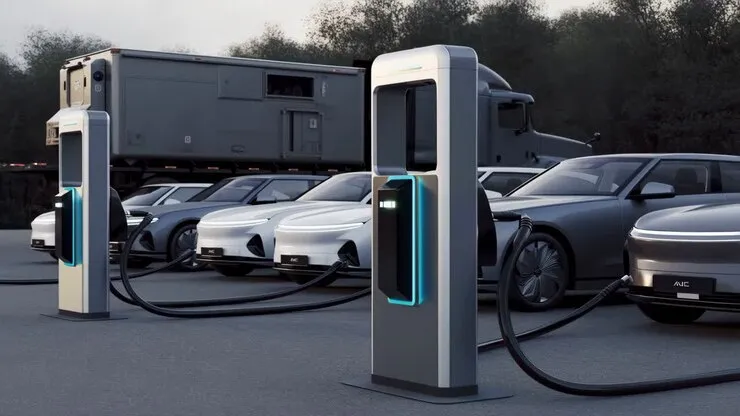
Use DC Fast Charging (Level 3) for Trips: DC fast charging stations are fantastic for road trips. They can add hundreds of miles of range in 30 minutes. However, the high power creates more heat, which can stress the battery over time. It's best used when you really need it, like on a long journey. Think of it like fast food—great on a trip, but not ideal for every single day.
-
Avoid Charging to 100% for Daily Storage: If you're not going on a long trip tomorrow, there's no need to charge to 100% every night. Set your charge limit to 80% or 90%. Your car's manual will have the best recommendation. This simple habit is a top tip for electric vehicle battery care.
Seasonal Considerations for Your EV Battery
Weather affects your EV battery, but you can easily manage it.
-
Summer Heat Management: Extreme heat is a battery's biggest enemy. Try to park in the shade or a garage. If you use a DC fast charging station in summer, the car will cool the battery automatically. It's best to do this at the beginning or end of your drive, not right after you've been driving hard.
-
Winter Cold Weather Tips: Cold temperatures make the battery chemistry slower. You'll notice your range drops in winter—this is normal! The energy is also used to warm the battery and the cabin. Preconditioning while plugged in is the number one winter trick. It warms up the battery with wall power, so you start your drive with full range and a toasty cabin.
Long-Term Storage and Battery Care
Planning to leave your EV parked for a few weeks or more? A little prep goes a long way.
-
The best battery storage charge level is around 50%. Don't leave it fully charged or empty.
-
If possible, leave the car plugged in. The BMS will manage everything, using tiny bits of power to keep things balanced.
-
Store it in a garage if you can, away from very hot or freezing temperatures.
Professional Check-ups and Battery Warranty
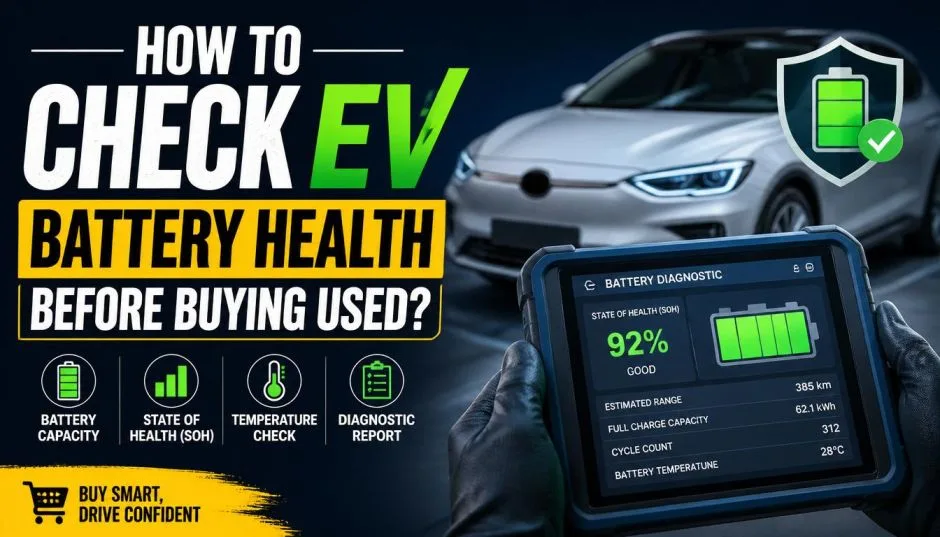
Even with perfect habits, a professional look is important. During your regular EV service schedule, technicians will run special checks on the high-voltage battery system. They use tools to read the data from the BMS and make sure all the cells are healthy and balanced.
Always know what your EV battery warranty covers. Most cover defects and promise the battery will hold a certain percentage of its charge (often 70%) for 8 years. Your good maintenance habits support that warranty.
Dispelling Common EV Battery Myths
Let's clear up some confusion!
-
Myth: "You must always charge to 100%." Truth: For daily driving, 80% is actually better for battery longevity.
-
Myth: "Fast charging will ruin your battery immediately." Truth: Modern batteries and cooling systems are designed for it. Just use it wisely, like for trips.
-
Myth: "You should let the battery drain to 0% before charging." Truth: This is not helpful and can be hard on the battery. Regular, partial charges are best.
FAQs: Your EV Battery Questions Answered
Q: How long does an EV battery last?
A: Most EV batteries are designed to last the life of the car, often 15-20 years. The warranty usually covers 8 years/100,000 miles. With good EV battery maintenance, many batteries last much longer.
Q: Does frequent charging hurt the battery?
A: No! Unlike old batteries, lithium-ion batteries in EVs prefer frequent, partial charges. Plugging in every night is a great habit. It's called "topping off" and it's healthy.
Q: What is the single most important thing I can do?
A: For daily use, avoid consistently charging to 100%. Setting a charge limit of 80-90% is the simplest and most effective way to practice good battery care for electric vehicles.
Q: Is it expensive to replace an EV battery?
A: It can be, but it's very rare to need a full replacement. The technology is proving to be very durable. Most often, if there's an issue with a specific module within the pack, only that section is replaced, which is far less costly.
Expert Insight on Battery Longevity
We asked an automotive engineer who specializes in electrification for their top tip. They said:
"Think of battery care as a marathon, not a sprint. Consistency is key. The drivers who see the best long-term health are those who avoid the extremes—both in charging and in driving style. Your car's built-in systems are incredibly smart; just use the tools they give you, like the charge limit setting."
Final Thoughts
EV battery maintenance is simple, smart, and rewarding. It’s not about being perfect every day. It’s about building a few good habits: charge to 80% for daily use, use your home charger, and precondition in extreme weather.
By following this friendly EV battery maintenance guide, you become a partner in your car's health. You’ll enjoy every quiet, smooth mile for years to come, knowing you’re getting the most from your electric vehicle. Happy driving